

Choosing Grey Retail Shelving is not merely a color decision. It shapes how products read, how aisles feel, and how quickly staff can replenish stock. A soft grey finish can calm a crowded wall of packaging; a darker tone may make dust and scuffs more visible. Small details matter.
Industry figures offer useful context, not a direct verdict on shelving. The National Retail Federation’s 2025 Retail Sales Forecast projected U.S. retail sales growth of 2.7% to 3.7%, underscoring the scale of competition for customer attention. Its 2023 National Retail Security Survey estimated retail shrink at 1.6% of sales in fiscal 2022. That figure does not prove shelving prevents loss. It does reinforce the value of clear sightlines and thoughtful store layouts. Paco Underhill, a retail anthropologist and author of Why We Buy, is often associated with the maxim, “Retail is detail.” It is a useful reminder, though not a shelving specification.
This guide compares Grey Retail Shelving by finish, load capacity, adjustability, and fit across real store settings. Picture a grey gondola holding boxed goods, with shelf heights changed for seasonal stock. Then consider a boutique wall where a lighter grey lets product color stand out. Neither choice works everywhere. Store lighting, floor color, cleaning routines, and product weight can change the result. We will also look at practical trade-offs, including scratches, assembly, and future reconfiguration. Some recommendations depend on the store; that deserves honest attention. The goal is not simply a polished display. It is a fixture system that works on an ordinary busy day.
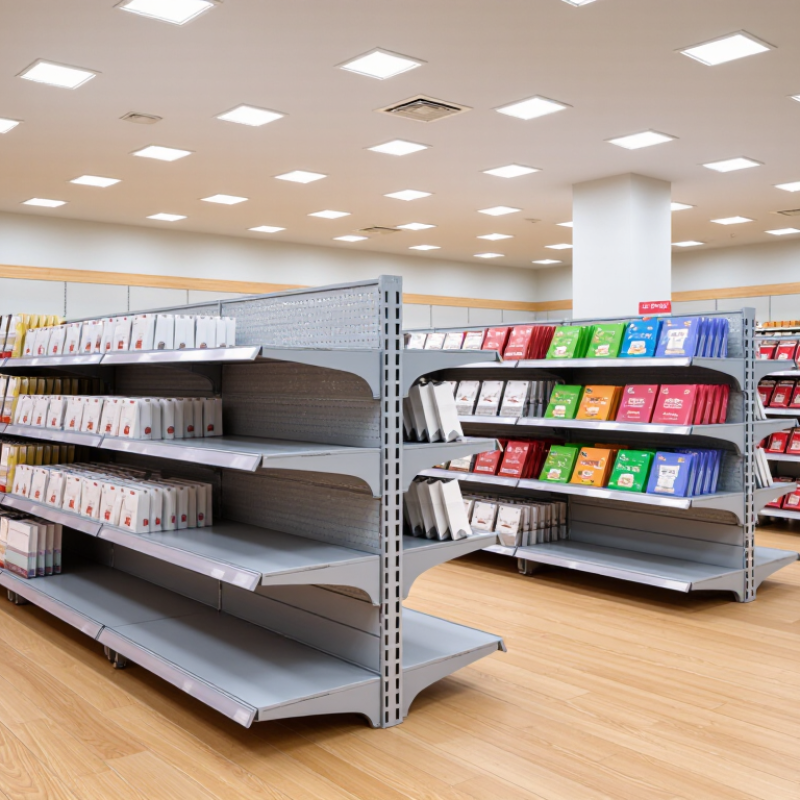
Grey retail shelving is a display system with grey-finished uprights, shelves, or gondola units. It helps define aisles, frame products, and guide shoppers through a store. Light grey can keep a compact shop feeling open; charcoal creates stronger contrast around pale packaging. The effect depends on lighting. Under cool LEDs, some greys can look flat.
Store layout matters because shoppers still make most retail purchases in physical locations. The U.S. Census Bureau reported that e-commerce accounted for 16.1% of total U.S. retail sales in Q4 2024. That figure describes the sales channel, not shelving performance, but it underscores the role of in-store experience. Use shelving height and placement to keep key sightlines clear, group related products, and avoid turning narrow aisles into dead ends. Small details matter.
Tips: Before ordering, mark aisle widths and shelf positions on the floor with removable tape. View samples under the store’s actual lighting, then check them beside your packaging. Grey can feel calm, but too much of one shade may make displays seem cold. Test a small section first. The first layout may not work; observe customer flow and adjust shelf spacing after opening.
Grey retail shelving is commonly made from powder-coated steel, laminated wood, or wire. Steel suits busy aisles because it handles frequent restocking and everyday knocks. Laminate shelves provide a solid surface for boxed goods, while wire decks allow airflow and visibility. Check edges and joints during inspection; chipped coating can expose metal to moisture. Small details matter.
Finish affects both appearance and upkeep. Matte grey softens glare under bright ceiling lights, while satin finishes can be easier to wipe clean. Textured coatings may disguise minor scuffs, though dust can settle in their surface. Grey also shifts visually with warm or cool lighting. View a sample in the actual store, not just on a screen. I once assumed one shade would work everywhere; it looked noticeably blue beside warm-toned flooring.
Configurations should match the products and traffic flow. Gondola units create accessible aisle displays, while wall bays keep perimeter stock tidy. Adjustable shelves accommodate changing package heights, and hooks or bins suit small items. Leave enough room for customers to pass without brushing displays. Distribute heavier stock on lower shelves, and verify stated load limits rather than judging strength by appearance. It is easy to overfill.
Common Materials, Finishes, and Configurations for Grey Shelving
Representative common shelf depths are shown in inches. Actual options vary by fixture system and retailer; grey finishes are commonly available on metal shelving.
Grey shelving works best when its finish supports the products, lighting, and pace of the store. In bright shops, light grey can keep narrow aisles feeling open; charcoal grey can give tools or packaged goods stronger visual contrast. Check the coating under the actual store lights. A sample panel can look cooler at home. It may appear blue beneath retail LEDs.
Match shelf depth and load capacity to the merchandise, not just the floor plan. Small cosmetics need shallow shelves and clear price labels; bulky home goods need deeper decks and sturdy uprights. The U.S. Census Bureau reported that e-commerce represented 16.1% of total U.S. retail sales in Q4 2024. NRF estimated returns at 16.9% of annual retail sales for 2024. These figures make flexible pickup and returns zones worth considering, rather than treating every fixture as display space.
Tips: Check rated shelf loads, then test a fully stocked bay. Keep darker goods against lighter grey when contrast matters. Leave room for carts and restocking. Most importantly, walk the layout at opening and during peak traffic. A tidy plan can still create awkward corners. I would revise those after watching real customers move.
Grey retail shelving can make a store feel calm and consistent, but its finish does not determine how much weight it can hold. Check the rated load for each shelf and bay, especially when displaying dense items such as canned goods or boxed tools. Gondola shelving suits open sales floors: shelves can be adjusted as product sizes change, and both sides can carry merchandise. It needs a stable layout and clear customer aisles.
Wall-mounted or wall-standing units use floor space differently. They keep products along the perimeter and can free the center for browsing, though their capacity depends on the wall structure and the shelving system. Freestanding steel units are often a practical choice for back rooms, where cartons need sturdy, accessible storage. They may look less polished on the sales floor. That is a trade-off worth admitting.
Wire shelving allows air and light to pass through, making stock easier to see, but small items may need shelf liners. Boltless shelves can be reconfigured with basic tools, yet frequent adjustments may leave the layout uneven. Measure the deepest product, not just the shelf. Leave room for hands to retrieve items. A grey powder-coated surface can hide minor scuffs, but it is not immune to scratches; inspect high-contact corners during routine cleaning.
For grey retail shelving, installation starts with the floor, not the finish. Check that the surface is level and sound, then assemble each bay to its manufacturer’s instructions. Secure units to the building where the design requires it; never assume a heavy shelf is stable simply because it feels solid. Keep aisles clear during installation, and use a level to check uprights before loading. Small details matter. Place heavier stock low, distribute weight evenly, and keep loads within posted limits. The U.S. Bureau of Labor Statistics reported 2.6 million nonfatal injury and illness cases in private industry in 2023. That figure is not specific to shelving, but it underscores why routine workplace precautions matter.
Grey finishes can disguise dust, but they do not conceal dents or loose fittings. Wipe shelves with a soft cloth and mild cleaner, then dry seams and corners to limit moisture damage. Avoid abrasive pads that can scratch the coating. Inspect regularly for bent beams, damaged anchors, missing clips, or shelves that no longer sit level. Keep the inspection record. If a component is damaged, unload the affected section and follow qualified repair guidance instead of improvising. OSHA’s materials-handling rule calls for stored materials to be secured against sliding or collapse. Recheck load labels after layout changes; that step is easy to forget.
| Topic | Practical Recommendation | Useful Check or Interval | Safety or Care Reason |
|---|---|---|---|
| Choosing a grey finish | Choose a finish suited to the shelf material and store environment. Compare samples under the store’s lighting, since lighting can affect how grey appears. | Check samples in the actual sales area before ordering. | A suitable finish helps maintain a consistent appearance; the finish alone does not determine a shelf’s load capacity. |
| Load capacity | Use the shelving system’s stated load limits. Do not exceed the limit for a shelf, bay, or complete unit, and follow any instructions about evenly distributed loads. | Confirm the product documentation before loading; recheck when changing the display. | Overloading or concentrating weight in one area can cause shelf or unit failure. |
| Planning the layout | Position units so that aisles, exits, accessible routes, fire equipment, and other required clearances remain unobstructed. | Review the floor plan and applicable local requirements before installation. | Required clearances vary by location and building; do not assume one aisle dimension applies everywhere. |
| Assembly | Assemble the unit on a stable surface and follow the supplied instructions. Fit all specified fasteners, braces, clips, and shelf supports. | Check that connections are secure before placing merchandise on the unit. | Missing or incorrectly fitted parts can reduce stability and load performance. |
| Leveling and stability | Place shelving on a firm, level floor. Use only approved leveling components, and secure the unit as directed by its instructions. | Check for rocking, leaning, or movement after assembly and after relocating the unit. | Uneven floors and unsecured tall units can increase the risk of tipping. |
| Wall or floor anchoring | Anchor shelving where required by the manufacturer, the site conditions, or applicable regulations. Select fixings appropriate for the wall or floor construction. | Verify the anchoring method before installation; inspect anchors after any impact or relocation. | Anchoring needs depend on the unit and building surface; do not substitute an unverified fixing method. |
| Loading and merchandising | Place heavier products on lower shelves and distribute weight evenly. Keep merchandise within shelf edges and avoid creating unstable stacks. | Check load placement whenever displays are replenished or rearranged. | Lower, balanced loads can reduce instability and make products easier to handle safely. |
| Cleaning grey surfaces | Dust regularly and wipe surfaces with a soft cloth and mild detergent solution when needed. Dry the surface afterward. | Use a small, inconspicuous test area first, especially on coated or painted finishes. | Abrasive pads, harsh chemicals, and excess moisture may damage some finishes; follow the finish-care instructions. |
| Routine inspection | Look for bent shelves, loose fittings, damaged coatings, corrosion, cracked components, or signs that the unit is leaning. | A practical store-maintenance schedule is a visual check during routine opening or closing tasks, with a closer inspection periodically. | Inspection intervals are a maintenance recommendation, not a universal legal requirement. Address damage promptly. |
| Damage or instability | Remove merchandise from an unstable or visibly damaged section and restrict access until it has been assessed and repaired appropriately. | Recheck the unit before returning products to the affected shelves. | Do not rely on a damaged shelf or improvised repairs to support merchandise. |
| Safe use | Use a suitable step stool or ladder to reach high shelves. Do not climb on shelving or use shelves as steps. | Keep access equipment available to staff and store it safely when not in use. | Retail shelving is not designed to support a person unless specifically identified and rated for that purpose. |
| Relocation | Unload the unit as instructed before moving it. Reassemble, level, and anchor it again according to the manufacturer’s directions. | Inspect the floor, fittings, and unit stability after relocation. | Moving a loaded or improperly secured unit can cause tipping, damage, or injury. |
Note: Always follow the shelving manufacturer’s instructions and applicable local building, fire, and workplace-safety requirements. Load limits and anchoring requirements vary by product and installation conditions.

