2026 Top Injection Molding Types for Global Buyers
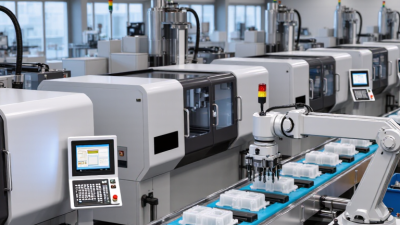
Injection molding remains a practical foundation for high-volume manufacturing in 2026. Global buyers use it for automotive clips, medical housings, electronic enclosures, and household components. The process can deliver consistent dimensions, smooth surfaces, and repeatable cycle times. However, the best choice depends on more than production volume.
This guide examines major injection molding types, including thermoplastic, thermoset, insert, overmolding, two-shot, and micro molding. Each method creates different opportunities and limitations. For example, a two-shot process can combine soft grips with rigid structures. Insert molding can secure metal parts inside a plastic component. Micro molding demands precise tooling, controlled material flow, and experienced inspection.
Details matter.
Experienced buyers usually compare resin performance, mold steel, cavity numbers, cooling design, automation, and expected service life. They also request sample parts, dimensional reports, material certificates, and clear quality procedures. Reliable suppliers should explain tolerances honestly, rather than promising every feature without qualification. International projects may require additional documentation, traceability, packaging controls, and market-specific compliance reviews.
There is no universally superior molding type. A low-cost mold may appear attractive, yet frequent maintenance can increase total expenditure. A highly automated line may improve consistency, but it can require greater upfront investment. These trade-offs deserve careful review. This overview offers a practical framework for comparing technologies, suppliers, and project risks. Some recommendations may still need adjustment after real mold trials. That is normal. Manufacturing decisions improve when engineering evidence guides commercial expectations.
How Injection Molding Types Are Classified for Global Buyers
2026 Top Injection Molding Types for Global Buyers
How Injection Molding Types Are Classified for Global Buyers
Global buyers should classify injection molding types by process, machine structure, material, and production purpose. This method is more useful than judging machines by price alone. Common process types include conventional molding, insert molding, overmolding, two-shot molding, gas-assisted molding, and micro molding. Each changes tooling cost, cycle time, tolerances, and assembly requirements.
Machine classification is also important. Hydraulic systems suit heavy clamping and large parts. Electric systems offer repeatable movement, cleaner operation, and lower energy use. Hybrid machines combine both approaches. However, electric is not automatically better. A factory with unstable power or limited maintenance skills may need a simpler solution. This is often overlooked.
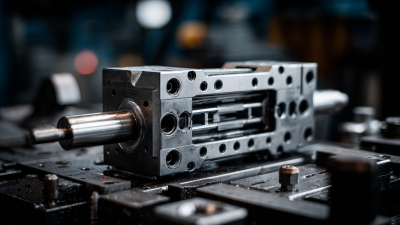
Mold structure adds another layer. Single-cavity molds support flexible, lower-volume production. Multi-cavity molds improve output but require tighter filling balance. Hot-runner molds reduce material waste, while cold-runner molds can simplify maintenance. Material selection separates thermoplastics, thermosets, and elastomers, each requiring different temperature control and tooling decisions. PlasticsEurope reported global plastics production of 413.8 million tonnes in 2023, showing the scale of material demand. ISO 20430:2020 also defines safety requirements for injection molding machines. Buyers should verify these requirements before comparing quotations. The classification looks neat on paper, but real projects rarely fit one category perfectly.
2026 Top Injection Molding Types for Global Buyers
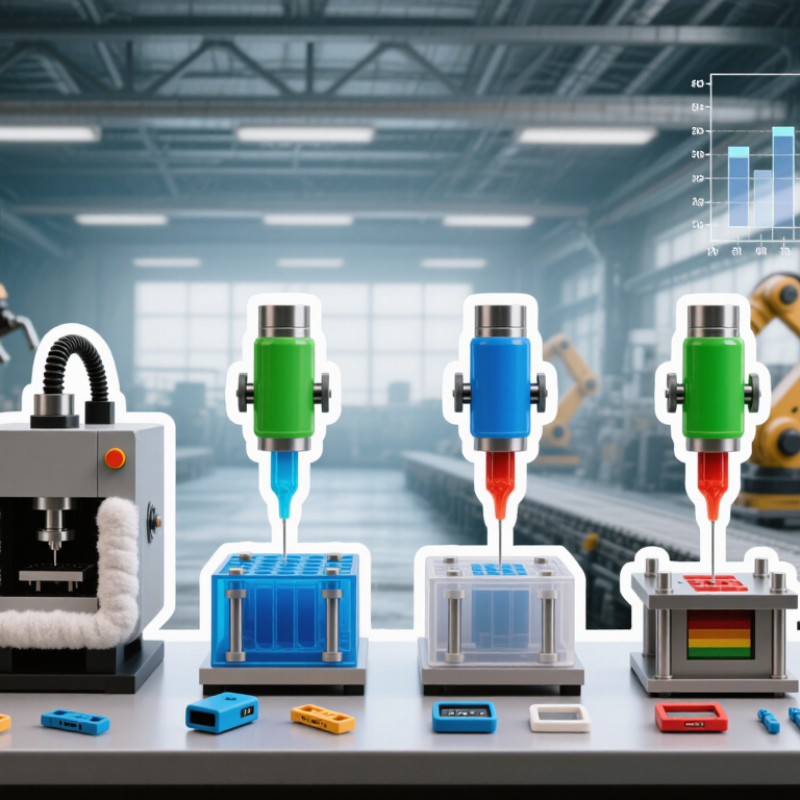
Injection molding types are commonly classified by part structure, material distribution, wall thickness, and gas or insert integration. The chart compares indicative injection-pressure ranges used in different molding processes.
Pressure ranges are general engineering reference values in MPa. Actual requirements vary according to resin grade, flow length, wall thickness, mold design, part geometry, and machine settings.
Standard Thermoplastic Injection Molding for High-Volume Production
Standard thermoplastic injection molding remains a practical choice for high-volume production. It converts heated pellets into repeatable parts within seconds. The process supports polypropylene, ABS, polyamide, and many engineering resins. The melt must flow.
PlasticsEurope reported global plastics production of 413.8 million tonnes in 2023. This scale supports broad material availability and competitive purchasing for international buyers. However, resin selection requires more than a low kilogram price. Buyers should review shrinkage, moisture sensitivity, operating temperature, and recycled content. A material datasheet is useful, but production trials reveal the truth.
Cycle time often determines the real unit cost. Mold cooling, part ejection, and automated handling can influence output more than injection speed. ISO 20430 provides guidance for injection molding machine safety, while ISO 9001 systems help structure process control and corrective actions. In practical audits, common weaknesses include uneven cooling, unstable moisture control, and insufficient first-article testing. These issues are easy to underestimate. They create scrap, delays, and inconsistent fit.
For global sourcing, request mold-flow analysis, dimensional inspection records, and resin traceability. Confirm whether the quoted cycle time includes loading, cooling, and trimming. It often does not. Standard thermoplastic injection molding is highly efficient, but only when tooling, material, and process data are managed together.
Insert, Overmolding, and Two-Shot Molding for Integrated Parts
2026 Top Injection Molding Types for Global Buyers
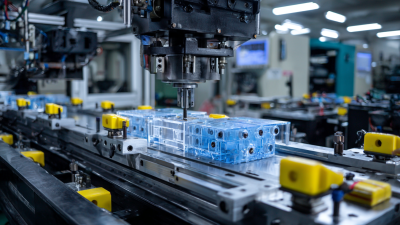
Insert molding, overmolding, and two-shot molding are changing how integrated parts are designed. Insert molding locks metal pins, bushings, or threaded components inside plastic. It can reduce assembly steps, but insert placement needs tight control. A small shift may create weak walls or uneven filling.
Overmolding bonds a soft layer to a rigid substrate, improving grip, sealing, and vibration control. Two-shot molding combines two materials or colors within one cycle. It supports ergonomic handles, seals, and multi-function housings. According to Fortune Business Insights, the global injection molding machine market reached about USD 12.78 billion in 2023. Its forecast indicates steady growth through 2032. Grand View Research also reports continued expansion in injection-molded plastics, driven by automotive, medical, and electronics demand. The figures are useful, but forecasts can change quickly.
Tips:
Ask suppliers for mold-flow analysis, insert-position tolerances, bonding test results, and cycle-time data. Check whether the second material matches the first. Compatibility is often underestimated. A prototype may look perfect, yet fail after heat, moisture, or repeated flexing. Buyers should request dimensional reports from multiple production batches, not one attractive sample. ISO 20457 provides useful guidance for molded plastic part tolerances, although practical requirements may need tighter control. Also, evaluate mold maintenance access before approving a complex two-shot tool. Fancy geometry can become an expensive weakness.
How to Select Injection Molding Types by Material, Cost, and Compliance
Selecting an injection molding type starts with the resin, not the machine. Thermoplastics suit high-volume parts because they can be reheated and recycled. Thermosets resist heat but require permanent curing. Elastomers need controlled cooling and careful gate design. PlasticsEurope’s Plastics—the Fast Facts 2024 reports 413.8 million tonnes of global plastics production in 2023. That scale makes material discipline essential.
Cost depends on more than the mold quotation. Cold-runner tooling usually lowers the initial investment, while hot-runner systems can reduce scrap during long production runs. Thin walls may shorten cycle time, but they demand tighter process control. Insert molding adds labor and alignment costs. Two-shot molding can remove assembly steps, though its tooling is more complex. Grand View Research’s 2024 injection-molded plastics analysis identifies packaging, automotive, and consumer products as major demand sectors. Volume should guide the choice.
Compliance must be checked before design approval. For electrical products, request evidence related to restricted substances and applicable safety testing. For food-contact parts, verify the resin, colorant, and processing aids against the destination market’s rules. ISO 20457 provides useful guidance for molded plastic tolerances, but it does not replace legal review. OECD’s Global Plastics Outlook reports that plastic waste more than doubled from 2000 to 2019. That finding supports recycled content and traceability, where technically suitable. A cheaper material can become expensive after testing failures. I have seen this overlooked. Source data, batch records, and realistic tolerance studies deserve budget.