

Global buyers are entering a thermoplastic molding market shaped by scale, speed, and stricter quality expectations. PlasticsEurope reported global plastics production of approximately 413.8 million tonnes in 2023. Fortune Business Insights valued the injection molded plastics market at about USD 354.55 billion in 2024. These figures suggest strong demand, but they also expose a practical risk: a low quotation may hide weak tooling, unstable processing, or expensive logistics.
Reliable sourcing begins with details that can be checked. Resin grade, melt flow rate, drying conditions, shrinkage, mold steel, cycle time, and inspection methods should appear in the supplier’s documentation. Ask for trial-run data, dimensional reports, and sample parts under real production conditions. A glossy sample is not enough. It may conceal warpage near a rib or a short shot inside a deep pocket.
John Bozzelli, founder of Injection Molding Solutions, often emphasizes, “The process is the product.” That principle matters across borders. Material certificates, process windows, cavity balance, and corrective-action records reveal more than polished sales language. The seven tips in this guide focus on those measurable signals, from supplier audits to packaging and total landed cost. No checklist removes every surprise. Even experienced buyers can underestimate regional humidity, communication delays, or mold-maintenance practices. That is the uncomfortable part. Strong decisions come from verifying assumptions before production begins, not from trusting the lowest initial price.
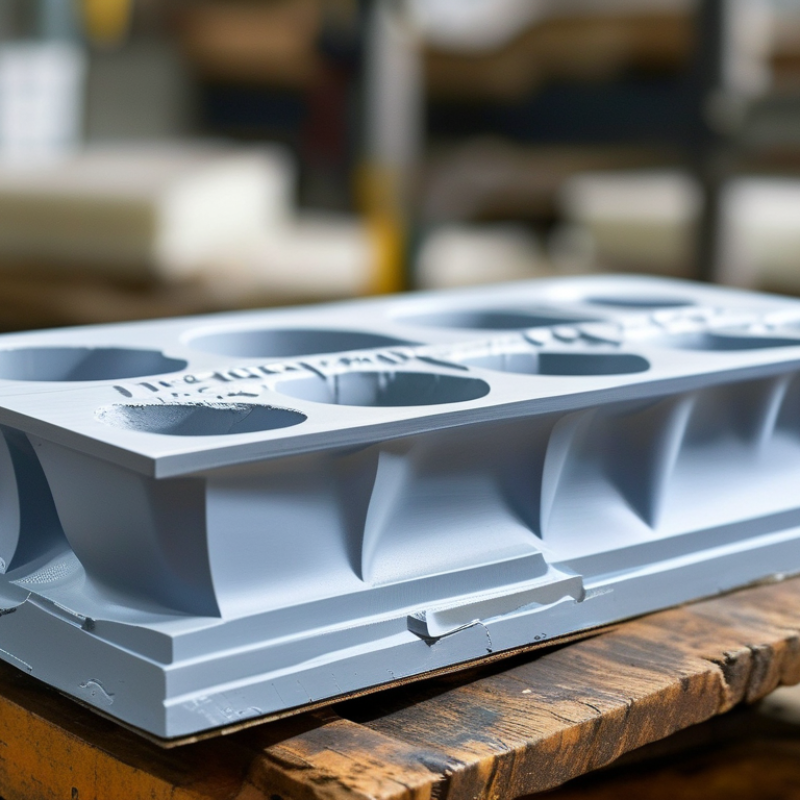
7 Thermoplastic Molding Tips for Global Buyers
Define Thermoplastic Molding Requirements for Global Projects
Global projects need a measurable molding brief, not a loose product sketch. State the resin family, grade, color, flame rating, food-contact status, and recycled content. Specify annual volume, batch size, cavity count, cycle-time target, and expected service life. Small details matter. PlasticsEurope’s Plastics—The Fast Facts 2024 reports 413.8 million tonnes of global plastics production in 2023. That scale makes material traceability essential. Request certificates, lot records, and retention samples from every approved source.
Describe the part’s real environment. Include temperature ranges, chemical exposure, UV exposure, load direction, and impact risk. Define critical dimensions with GD&T, rather than applying one tolerance everywhere. ISO 20457 provides a useful framework for molded-part tolerances, but it cannot replace product testing. Ask for mold-flow analysis, cooling studies, first-article inspection, and capability data. A supplier may report Cpk values, yet the sample size can be too small. Check the method.
Plan for regional differences in machines, utilities, packaging, and compliance records. Confirm whether the tool uses interchangeable inserts and whether maintenance files are available in English. A 0.02 mm tolerance may sound impressive, but it can be unrealistic across multiple plants and climates. Review warpage after conditioning, not only after ejection. The OECD Global Plastics Outlook highlights rising plastic waste and uneven recycling systems, so end-of-life requirements should be written early. I would also challenge the original design twice. It may be over-specified, and that mistake can quietly increase cost.
Global buyers often focus on price before checking material behavior. That order can create expensive tooling changes later. Select a thermoplastic according to heat exposure, chemical contact, impact needs, and dimensional stability. Polypropylene suits lightweight parts and many chemical environments. ABS offers a practical balance of toughness and surface quality. Engineering polymers may withstand higher temperatures, but they usually require tighter processing control. Request technical data, safety information, and batch traceability from each supplier.
The molding process should match the part’s geometry and production volume. Injection molding supports detailed parts, repeatable dimensions, and high output. Thermoforming works well for larger, thinner components with simpler shapes. Blow molding suits hollow products. Extrusion produces continuous profiles, tubes, and sheets. Ask for mold-flow analysis when walls vary or ribs create stress. Small gates and sharp corners can cause filling problems. They often look harmless on a drawing.
Material drying deserves attention. Moisture-sensitive resins can produce bubbles, weak weld lines, or poor surfaces. Confirm drying temperature, holding time, mold temperature, and cooling conditions. Trial parts should face real tests, not only visual inspection. Check warpage after 24 hours, especially for long parts. A sample that looks perfect immediately may change later. My own preference is to approve materials only after reviewing process records, inspection results, and a controlled pilot run. That approach is slower. It is also easier to defend when production crosses borders.
Reliable molding begins with a part designed for real factory conditions. Experienced engineers review wall thickness, draft angles, ribs, and shrinkage before cutting steel. Uneven walls can create sink marks, warping, or slow cooling. Keep it practical. A small radius on sharp corners often improves filling and reduces stress.
Mold details matter just as much. Gate location affects appearance, weld lines, filling pressure, and cycle time. Venting must release trapped air near ribs, corners, and deep pockets.
Poor cooling design can lengthen cycles and cause uneven dimensions. This is often underestimated.
Global production adds another layer of risk. Different facilities may use different machines, resins, process controls, and inspection tools.
Test early. Then question the results. A first successful trial does not prove long-term stability. Tool maintenance, material variation, and operator practices can still change performance. We sometimes over-trust drawings and under-check actual molded parts. That mistake is avoidable through documented trials, dimensional reports, and controlled process updates.
7 Thermoplastic Molding Tips for Global Buyers
Control Quality, Costs, and International Compliance
Global buyers need more than a low unit price. Start with a precise material specification, including resin grade, color tolerance, shrinkage, and recycled content. Small differences can change strength, surface finish, and customs documentation. Keep approved samples in your quality file.
Ask the molder to define a stable process window for temperature, pressure, cooling time, and cycle speed. A narrow window may create defects during seasonal changes. Mold design also matters. Proper vents, balanced gates, and replaceable wear parts can reduce scrap and future repair costs. Never approve samples from only one cavity without checking cavity-to-cavity variation.
Inspection should combine dimensional checks, visual standards, and functional testing. Record results by lot, machine, operator, and production date. Traceability becomes valuable when shipments cross several borders. Packaging deserves attention too. Moisture barriers, protective separators, and clear carton labels can prevent damage and inspection delays. They may cost slightly more.
International compliance requires a written document list. Confirm material declarations, test reports, safety data, origin details, and labeling rules for each destination. Requirements can differ between countries and product categories, so verify them with qualified local professionals. Do not assume one certificate works everywhere. That mistake is expensive.
Cost control is not only negotiation. Compare total landed cost, including tooling changes, testing, freight, duties, rejects, and delayed delivery. A perfect first-run plan is unrealistic. Review failures openly, correct the process, and update the control plan before scaling production.
A practical reference table for evaluating molded thermoplastic suppliers, tooling plans, production controls, and export documentation.
| Tip | Buyer Focus | Quality Control Method | Cost and Schedule Impact | International Compliance Check | Recommended Acceptance Data |
|---|---|---|---|---|---|
| 1. Select the Resin by Function | Match the polymer to temperature, impact, chemical exposure, UV exposure, stiffness, and food or electrical contact requirements. | Approve the resin grade and its technical data sheet before tooling. Confirm melt flow, density, tensile strength, impact performance, and molding shrinkage. | Avoids late material substitutions, requalification, scrap, and tool changes. A resin change can alter flow, shrinkage, color, and cycle behavior. | Check restricted-substance requirements for the destination market, including applicable RoHS and REACH obligations. Request a current material declaration. | Signed material specification, lot traceability, certificate of analysis, and documented approval of any substitute material. |
| 2. Design for Stable Molding | Use uniform wall sections, practical draft, smooth transitions, and correctly positioned gates, ribs, bosses, and ejectors. | Complete a mold-flow or filling review where part geometry is complex. Inspect for sink marks, weld lines, warpage, short shots, flash, and trapped air. | Balanced filling can reduce cycle time, rework, and dimensional variation. Overly thick sections commonly increase cooling time and sink-mark risk. | Document safety-critical features, material flammability requirements, and any market-specific product construction rules before design freeze. | Approved 2D drawings, 3D models, critical-to-quality dimensions, visual standards, and an engineering change-control procedure. |
| 3. Control Tooling and First Articles | Define ownership, cavity count, tool life expectations, spare parts, maintenance responsibility, and release criteria. | Require a first-article inspection report using production-intent tooling and resin. Verify all critical dimensions, appearance, fit, function, and assembly interfaces. | Early dimensional feedback prevents expensive production tooling corrections and reduces the risk of rejected launch inventory. | Keep tool records and product drawings aligned with technical files, conformity assessments, and import documentation. | First-article report, dimensional results, approved samples, tool photographs, maintenance log, and documented deviation approvals. |
| 4. Lock the Process Window | Control drying, melt temperature, mold temperature, injection speed, pressure, hold time, cooling time, and part weight. | Create a process-control plan with machine settings, upper and lower limits, start-up checks, hourly checks, and reaction procedures for out-of-control conditions. | Stable settings reduce short shots, flash, warpage, color variation, and unnecessary material consumption. Drying requirements should follow the resin supplier's data. | Maintain batch records and traceability sufficient to support product investigations, recalls, and market surveillance requirements. | Approved process sheet, parameter logs, first-piece approval, in-process inspection records, and lot or date-code traceability. |
| 5. Measure Capability, Not Only Averages | Identify critical dimensions and define tolerances according to function, assembly needs, and realistic molding capability. | Use calibrated gauges and a measurement system study where appropriate. Analyze capability using Cp/Cpk or Pp/Ppk only when the sampling plan and distribution assumptions are suitable. | Capability data helps prevent over-tight tolerances, excessive inspection, recurring sorting, and hidden warranty costs. | Retain inspection evidence for the period required by the applicable contract, product regulation, and quality-management system. | Dimension report, gauge calibration status, sampling plan, capability study, nonconformance log, and corrective-action record. |
| 6. Optimize Total Landed Cost | Evaluate resin, cycle time, labor, packaging, tooling amortization, freight, duties, inspection, scrap, and warranty exposure together. | Track material usage, shot weight, rejected quantity, regrind percentage, downtime, and on-time delivery by production lot. | A lower unit price may be offset by higher freight, duty, packaging, defect, or inventory costs. Compare quotations using the same annual volume and delivery terms. | Confirm the correct tariff classification, country-of-origin documentation, commercial invoice, packing list, and transport documents with the importer or customs broker. | Landed-cost model, quotation assumptions, shipment terms, customs data, packaging specification, and monthly cost-variance report. |
| 7. Verify Before Shipment | Use a risk-based pre-shipment inspection covering quantity, workmanship, dimensions, function, packaging, labeling, and shipping marks. | Compare random samples with the approved reference sample and inspection plan. Segregate nonconforming goods and record corrective actions before release. | Final verification reduces destination-side sorting, expedited replacement freight, customs delays, and customer complaints. | Check required markings, user information, packaging labels, safety information, recycling symbols where applicable, and destination-country documentation. | Inspection report, approved shipment release, carton and pallet count, photographs, traceability codes, and complete shipping document set. |
7 Thermoplastic Molding Tips for Global Buyers
Plan Packaging, Logistics, and Supplier Communication
Thermoplastic molding can look simple until products cross several borders. Global buyers should confirm packaging needs before production begins. Request carton dimensions, gross weight, pallet limits, and moisture protection details. Small parts may need divided trays to prevent scratches, warping, or contamination. Add corner protection when cartons face repeated handling. It costs little compared with damaged inventory.
Discuss logistics during the tooling review, not after molding starts. Confirm the shipping term, dispatch location, delivery window, and preferred transport method. Ask whether products can ship flat, nested, or in returnable containers. Share the destination’s receiving hours and unloading equipment. A pallet that fits one warehouse may fail at another. Measure it.
Supplier communication requires written clarity. Send drawings with revision numbers, approved samples, color references, and inspection points. Define acceptable flash, sink marks, and surface blemishes with photographs. Ask for packing photos before dispatch. Keep one contact responsible for engineering questions and another for shipping documents. This reduces crossed messages. It is not perfect, though.
Build a simple pre-shipment checklist. Include quantity, labels, carton count, material confirmation, and document review. Consider a small pilot shipment before scaling volume. Our first plan underestimated seasonal port delays; the lesson was uncomfortable but useful. Leave schedule space for customs questions and repacking. Clear communication rarely removes every risk, but it makes problems visible earlier.
Plan Packaging, Logistics, and Supplier Communication with Typical Melt-Processing Ranges
Typical injection-molding melt-temperature windows vary by grade, additives, mold design, and machine settings. Use this reference when checking supplier process capability, packaging heat resistance, transportation conditions, and technical data sheets before placing an international order.