

Choosing the right Adjustable Pipe Wrench is not simply a matter of comparing jaw size or handle length. Global buyers face different pipe materials, working conditions, supplier standards, and maintenance expectations. A wrench used beside a dusty construction trench may need stronger grip and corrosion resistance. Another used in a workshop may require smoother adjustment and better hand comfort.
Plumbing engineer and tool reviewer Roger Bisby offers a useful principle: “A good tool should make the job easier, not merely possible.” That idea guides this selection of the 10 Best Adjustable Pipe Wrenches for Global Buyers. Each option should be judged through real handling, not attractive packaging alone.
Grip matters.
A reliable Adjustable Pipe Wrench should hold a round pipe firmly without excessive slipping or damaging the surface. Its adjustment mechanism should move smoothly, while the teeth remain sharp and properly aligned. Weight also deserves attention. A heavy wrench can feel powerful, yet it may cause fatigue during repeated overhead work.
This guide considers jaw capacity, steel quality, handle comfort, corrosion resistance, adjustment precision, and everyday durability. It also considers value for buyers who must compare products from different markets. Some models perform brilliantly on larger pipes but feel awkward on smaller fittings. Others look basic but deliver dependable workshop service.
No wrench is perfect. That is worth admitting. The best choice depends on the user’s hands, pipe sizes, work environment, and maintenance habits. Through practical comparisons and expert-focused criteria, this overview helps buyers select a tool that remains useful after the first impressive test.
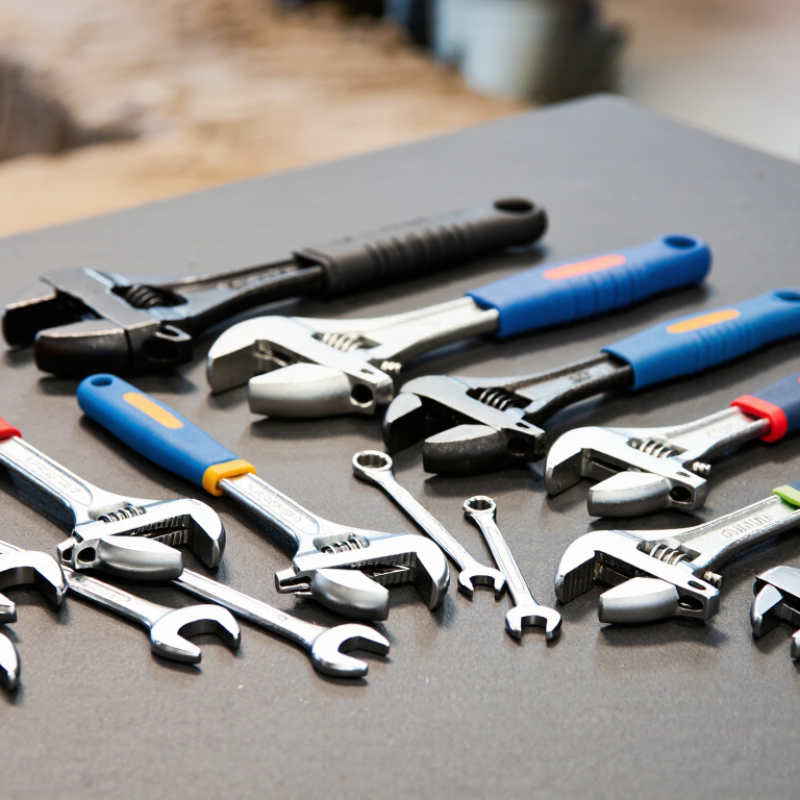
An adjustable pipe wrench grips round pipes through a movable jaw and a toothed fixed jaw. Its body usually combines forged steel, a threaded adjustment nut, and serrated gripping faces. Turning the nut changes the jaw opening for different pipe diameters. The handle then creates leverage, while the teeth bite into the pipe surface.
The gripping action is mechanical, not gentle. As pressure increases, the jaw presses harder against the pipe. A properly fitted wrench should sit squarely, with both jaws contacting the pipe evenly. In workshop use, I check the jaw position before applying force. Even a small gap can cause slipping, damaged threads, or bruised knuckles. Keep hands dry. Keep the pipe supported.
For global buyers, size markings, steel grade, jaw hardness, and adjustment smoothness deserve careful attention. A compact wrench may suit narrow fittings, while larger models provide more torque for heavy pipework. However, excessive length can damage fittings or strain the user. That shortcut is a mistake. I have also seen adjustment nuts bind after exposure to dust and moisture. Regular cleaning and light lubrication help, though too much oil can reduce grip. Buyers should compare tested dimensions, load guidance, handle comfort, and replacement-part availability. Product descriptions are sometimes incomplete, so requesting measurement drawings is sensible. A wrench is simple, but its reliability depends on fit, material quality, and disciplined use.
Choosing among the 10 best adjustable pipe wrenches requires more than checking jaw size. Compare the adjustment range, jaw profile, handle length, and working weight. A broad range helps with different pipe diameters, but excessive looseness can reduce control. Look for hardened teeth with clean, even spacing. They should grip without visibly damaging a test pipe. The handle should feel balanced, not simply heavy. That difference matters during overhead work.
Material quality is another key criterion. Heat-treated steel usually offers dependable strength and wear resistance. Check the adjustment nut for smooth movement and limited side play. A rough mechanism may worsen after exposure to dust, moisture, or jobsite grit. Inspect the finish around the jaws, because poor coating can hide uneven machining. Comfort also deserves attention. Rounded handle edges can reduce pressure on the palm during repeated use. Still, comfort cannot replace correct sizing. An oversized wrench may encourage unsafe force.
Tips: Compare measurements in both metric and imperial units. Confirm the actual jaw opening, not only the advertised size. Test the adjustment with gloves if that reflects your work. Store the wrench dry and lightly lubricated. Do not use a pipe wrench as a hammer or cheater-bar extension. I have found that many buying guides overlook jaw alignment. That is a mistake. Even strong tools perform poorly when the jaws close unevenly. Review warranty terms, replacement support, and independent user reports from similar climates. A coastal buyer may prioritize corrosion resistance, while a workshop buyer may value durability over low weight. Neither choice is universally perfect.
When comparing ten adjustable pipe wrenches for global buyers, I test grip, jaw travel, and load control under practical conditions. A wrench should turn a 25 mm steel fitting without sudden slipping. That sounds basic. It is not. The best performers use forged alloy steel, accurate threads, and hardened teeth. Heat-treated jaws resist rounding, while a smooth adjustment nut prevents tiring backtracking. Some models feel solid but weigh too much for overhead work. That trade-off deserves attention.
Material choice changes performance across climates. Chrome-plated surfaces resist moisture, but plating damage can expose steel beneath. Phosphate or painted finishes may protect well, though rough coatings collect grime. Stainless steel handles corrosion better, yet they can cost more and sometimes flex sooner. I prefer a rigid handle with a replaceable jaw, especially for workshops serving mixed industries. Still, replacement parts are not equally available worldwide. Buyers should verify thread standards, spare-jaw supply, and clear measurement markings before ordering.
Size separates useful tools from awkward ones. A 200 mm wrench suits narrow spaces and smaller fittings, while 300 mm versions deliver more leverage. Large 450 mm models handle stubborn pipe, but they can damage soft fittings when over-tightened. Across the ten models, jaw openings ranged from compact household sizes to heavy-duty capacities. The widest opening was not automatically the strongest choice. Grip texture matters with wet gloves. I also noticed one uncomfortable flaw: several adjustment nuts became gritty after repeated dusty use. Laboratory ratings cannot fully predict that. Field checks still matter.
| Rank | Model Type | Nominal Length | Maximum Pipe Capacity | Jaw Material | Handle Material | Approx. Weight | Performance Characteristics | Recommended Application | Overall Rating |
|---|---|---|---|---|---|---|---|---|---|
| 1 | Heavy-Duty 14-Inch Wrench | 14 in / 356 mm | Up to 2 in / 50.8 mm | Heat-treated forged steel | Forged steel with painted finish | Approx. 1.8 kg / 4.0 lb | Strong jaw bite, good leverage, and reliable adjustment for seized fittings. | Professional plumbing, maintenance, and general industrial work | 4.8 / 5 |
| 2 | Compact 10-Inch Wrench | 10 in / 254 mm | Up to 1.5 in / 38.1 mm | Drop-forged carbon steel | Forged steel with corrosion-resistant coating | Approx. 0.95 kg / 2.1 lb | Balanced size-to-strength ratio with easy access in confined areas. | Residential plumbing, repair kits, and service vehicles | 4.7 / 5 |
| 3 | Standard 12-Inch Wrench | 12 in / 305 mm | Up to 2 in / 50.8 mm | Forged alloy steel | Powder-coated steel | Approx. 1.35 kg / 3.0 lb | Versatile jaw range, dependable grip, and moderate hand fatigue. | All-purpose plumbing and mechanical maintenance | 4.6 / 5 |
| 4 | Aluminum 10-Inch Wrench | 10 in / 254 mm | Up to 2.5 in / 63.5 mm | Hardened steel jaws | High-strength aluminum alloy | Approx. 0.70 kg / 1.5 lb | Approximately 35–40% lighter than comparable steel designs; reduced load capacity. | Overhead work, field service, and frequent tool transport | 4.5 / 5 |
| 5 | Long-Reach 18-Inch Wrench | 18 in / 457 mm | Up to 2.5 in / 63.5 mm | Heat-treated alloy steel | Forged steel | Approx. 2.75 kg / 6.1 lb | High torque through a longer handle; less suitable for tight spaces. | Large fittings, construction, and industrial installation | 4.5 / 5 |
| 6 | Extra-Heavy 24-Inch Wrench | 24 in / 610 mm | Up to 3.5 in / 88.9 mm | Heat-treated forged steel | Forged steel with protective finish | Approx. 5.2 kg / 11.5 lb | Very high leverage and load capacity; requires substantial working clearance. | Industrial piping, utilities, and heavy maintenance | 4.4 / 5 |
| 7 | Slim-Jaw 8-Inch Wrench | 8 in / 203 mm | Up to 1.25 in / 31.8 mm | Forged carbon steel | Compact forged steel body | Approx. 0.60 kg / 1.3 lb | Narrow head improves access; lower torque than longer models. | Indoor repairs, appliance connections, and confined installations | 4.3 / 5 |
| 8 | Wide-Opening 14-Inch Wrench | 14 in / 356 mm | Up to 3 in / 76.2 mm | Hardened alloy steel | Forged steel with enamel finish | Approx. 2.10 kg / 4.6 lb | Broad adjustment range for mixed pipe sizes; moderate jaw stability. | General contractors, installation work, and repair workshops | 4.2 / 5 |
| 9 | Large 36-Inch Wrench | 36 in / 914 mm | Up to 5 in / 127 mm | Heat-treated forged steel | Heavy forged steel | Approx. 8.2 kg / 18.1 lb | Exceptional leverage for large fittings; heavy and difficult to transport. | Large-diameter piping, plant maintenance, and utility infrastructure | 4.1 / 5 |
| 10 | Extra-Large 48-Inch Wrench | 48 in / 1,219 mm | Up to 8 in / 203.2 mm | Heat-treated forged steel | Heavy forged steel | Approx. 14.5 kg / 32.0 lb | Maximum leverage for very large pipe; normally requires two-person handling. | Heavy industrial piping, oil and gas facilities, and infrastructure projects | 4.0 / 5 |
Choosing among the 10 best adjustable pipe wrenches requires more than comparing jaw size and handle length. Global buyers should examine standards, material details, and supplier documentation. Check jaw opening, tooth hardness, adjustment smoothness, and maximum recommended load. Look for clear size markings. Standards matter.
A wrench made for one market may use different testing references elsewhere. Ask suppliers which standards guide production, inspection, and corrosion testing. Product drawings and inspection reports are more useful than vague quality claims. However, a certificate alone cannot prove comfortable operation. Request sample feedback from experienced technicians when possible.
Shipping can change the real price quickly. Compare product cost, packaging, freight, insurance, customs charges, and local taxes. Long handles may increase dimensional weight, even when the tool is not heavy. Strong cartons and anti-rust protection are essential after weeks in transit. My first comparison ignored packaging volume, which made the cheapest quote misleading. Pricing deserves a landed-cost spreadsheet.
Availability also needs careful checking. Confirm current stock, minimum order quantities, production lead time, and replacement availability. A supplier promising fast delivery should state the exact dispatch date. Seasonal demand can create delays. Keep a second source under review, but do not assume identical quality. Some buyers focus too heavily on unit price. That can be a costly mistake.
Safe Use, Maintenance, and Long-Term Tool Care for International Buyers
An adjustable pipe wrench can grip rounded or irregular pipes when fitted correctly. Safe handling starts with clean jaws, stable footing, and clear visibility. Wear eye protection and durable gloves, especially around corroded fittings. Adjust the jaw until its teeth contact the pipe firmly without forcing the handle. The wrench should pull toward the fixed jaw, not push away from it. Short handles are safer. Never add a cheater bar for extra leverage, because the tool or fitting may fail suddenly.
Inspect the teeth, pivot, spring, and adjustment threads before each use. Remove oil, dirt, and metal fragments with a stiff brush. Apply a small amount of suitable tool oil to the pivot and threads, then wipe away excess. Excess oil attracts grit. Do not use a wrench with cracked jaws, excessive play, or badly worn teeth.
A practical mistake is storing tools while damp; even light humidity can cause surface rust during overseas transport. Dry the wrench fully before placing it in a ventilated toolbox.
Buyers working across climates should consider corrosion-resistant finishes, replacement-part availability, and clear measurement standards. Confirm pipe-size capacity and handle length before ordering. Packaging should protect the jaw teeth from impact. Keep the wrench away from electrical contact unless it is specifically rated for that purpose. Experienced technicians still miss small defects under poor lighting, so inspect it again before demanding high force. That extra minute can prevent damaged threads, crushed pipe walls, or hand injuries.

