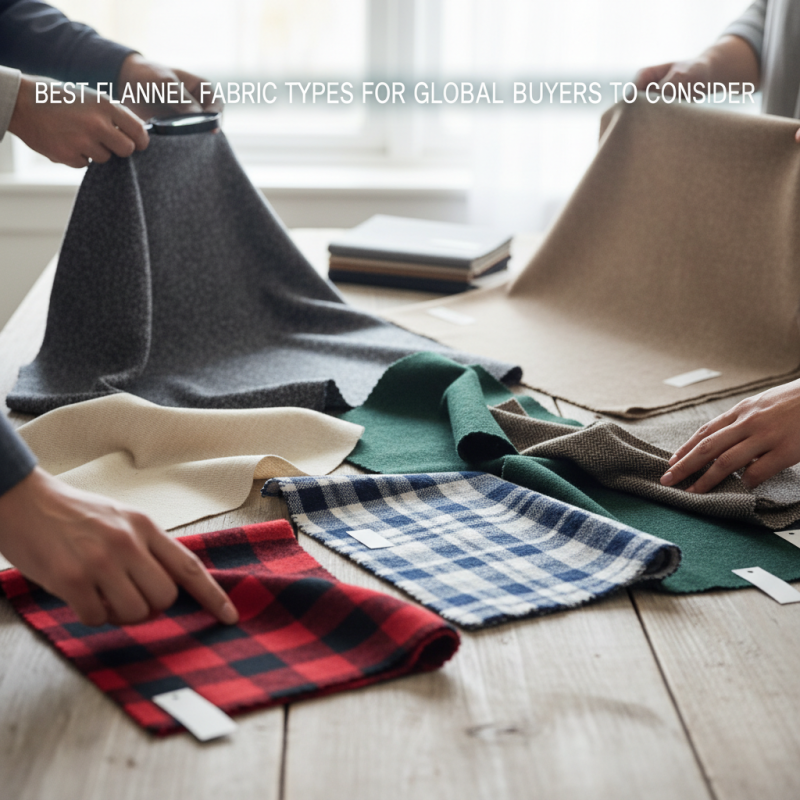
Best Flannel Fabric Types for Global Buyers to Consider?
Flannel Fabric has long been cherished for its softness and warmth. As global buyers explore diverse fabric options, understanding flannel types becomes essential. This fabric, characterized by its brushed texture, offers various styles suited for different applications.
Different types of flannel fabric cater to specific needs. Cotton flannel is a popular choice for its breathability. Wool flannel, on the other hand, provides insulation and durability. However, navigating these choices can feel overwhelming. Buyers must consider the fabric's weight, pattern, and intended use.
Choosing the right flannel fabric also involves acknowledging imperfections. Not all flannels are created equal; quality can vary significantly. Some fabrics might pill easily or lose their softness over time. It’s crucial to test samples before making large purchases. Understanding these nuances adds value to your buying experience.
Overview of Flannel Fabric and Its Popularity Worldwide
Flannel fabric has gained immense popularity worldwide. Its soft texture and warmth make it a preferred choice for various clothing items. From cozy shirts to blankets, flannel is versatile. Many people love it for its comfort during colder months. Moreover, it is easy to maintain, attracting buyers across the globe.
One of the reasons flannel appeals to so many is its breathability. Even though it feels soft and warm, it allows air to circulate. This makes it suitable for different climates. However, buyers should consider the weight and thickness. Flannel can range from lightweight to heavy fabrics. The right choice depends on personal preference and intended use.
Tips: When selecting flannel, check the fabric content. Cotton blends often provide durability. Consider the pattern as well. Plaid is classic, but solid colors have their charm. Take time to feel the texture. Not all flannels are created equal. Investing in quality ensures better comfort. Remember, the perfect flannel can make a significant difference in your wardrobe.
Different Types of Flannel Fabrics: An In-Depth Analysis
Flannel fabric has gained immense popularity due to its soft texture and warmth. Buyers worldwide must understand the different types of flannel available. The primary categories include cotton flannel, wool flannel, and synthetic flannel. Each type has unique properties that cater to various needs.
Cotton flannel is known for its breathability. It typically offers comfort during chilly weather. Wool flannel performs better in terms of warmth and durability. It is ideal for outerwear and suits due to its natural insulation. Synthetic flannel is often less expensive and is resistant to wrinkles. However, it may not provide the same warmth as natural fibers.
When choosing flannel fabric, consider the intended use. Tips: For pajamas and loungewear, opt for cotton. It’s gentle on the skin. If you need durable, warm clothing, wool is a great choice. Reflect on your needs before making a decision. Understanding these distinctions ensures you select the best flannel for your requirements.
Key Factors to Consider When Choosing Flannel Fabric
Choosing the right flannel fabric can be a challenge. Buyers need to consider several key factors. One important aspect is the material composition. Flannel can be made from cotton, wool, or synthetic fibers. Each type has its own texture and warmth. Cotton flannel is soft and breathable, while wool flannel offers better insulation.
Another factor is the weight of the fabric. Lightweight flannels are perfect for layering, while heavier options provide warmth in colder climates. Buyers should assess their needs based on the intended use. For instance, lighter fabrics may be preferred for quilting or crafting, while heavier flannel suits winter clothing.
Tips to keep in mind: Always check the fabric's thread count for quality. A higher count usually indicates a softer and denser fabric. Additionally, consider the finish of the flannel. Brushed flannel feels cozy but may be less durable. Look for options that balance softness with longevity to make a thoughtful purchase.
Best Flannel Fabric Types for Global Buyers to Consider
This chart illustrates the popularity of various flannel fabric types among global buyers, based on their preferences in texture, warmth, and durability.
Comparative Benefits of Various Flannel Fabric Types
Flannel fabric has become a staple in many wardrobes, cherished for its softness and warmth. However, not all flannel is created equal. Different types have distinct benefits, catering to various preferences and uses. Cotton flannel is the most popular choice. It's breathable, lightweight, and easy to care for. This makes it an excellent option for sleepwear or casual wear.
Wool flannel is another option worth considering. While it can be heavier, it offers superior warmth. This makes it ideal for colder climates. On the downside, it may not be suitable for those with sensitive skin.
Synthetic flannel blends provide a budget-friendly alternative. They are often wrinkle-resistant and durable. Yet, they might lack the breathable qualities of natural fibers.
Consider your needs carefully. Each type brings unique characteristics. Your choice should reflect not only the desired comfort but also the practicality of care and maintenance.
Evaluate how you plan to use the fabric. Will it be for cozy nights or active outings? Such reflections can guide you towards the right flannel type for your lifestyle.
Sourcing Flannel Fabrics: Tips for Global Buyers
Sourcing flannel fabrics can be a rewarding experience, but it requires careful consideration. Understand the different types of flannel available in the market. Common options include cotton, wool, and synthetic blends. Each type has unique qualities that cater to varying needs. Cotton flannel is soft and breathable, while wool flannel offers warmth and durability. Synthetic blends can provide affordability and ease of care.
Try to connect with reliable suppliers. Establish a relationship to ensure consistency in product quality. Visit fabric trade shows or exhibitions to see samples. Online platforms also offer insight into global trends. Always request swatches before making bulk orders. This helps avoid potential mismatches in texture and color.
Be mindful of the environmental impact of your sourcing decisions. Look for suppliers who prioritize sustainable practices. Eco-friendly fabrics are gaining popularity. This trend could influence your choices and attract eco-conscious consumers. Additionally, be aware of fluctuations in materials' prices and availability. This can complicate procurement. Regular communication with your suppliers can help mitigate these challenges.