

Choosing a Bio Gas Purification supplier is not just a price comparison. The right equipment must match the gas composition, flow rate, and site conditions. Raw biogas can contain moisture, hydrogen sulfide, carbon dioxide, and trace contaminants. Their levels vary with feedstock and operating conditions. That variation matters. A system sized from generic figures may perform poorly once connected to a real digester.
This guide introduces ten China-based suppliers for readers assessing equipment and project partners. It considers product scope, process options, engineering support, project experience, and the clarity of technical information. These factors can help narrow a shortlist, but they do not replace direct due diligence. Ask for process data, reference projects, maintenance requirements, and performance guarantees in writing. Check whether the proposed system suits your target gas quality and intended use. Details count.
A supplier may describe similar equipment with different terms, so compare specifications carefully. Confirm what is included, from pretreatment and controls to commissioning and after-sales service. Company rankings can change as products, capabilities, and market conditions evolve. Treat this list as a starting point, not a final verdict. Some public information may be incomplete; that deserves a closer look, not an assumption. The best choice depends on your feedstock, local operating needs, budget, and technical team. A careful conversation with each shortlisted supplier can reveal more than a polished brochure.
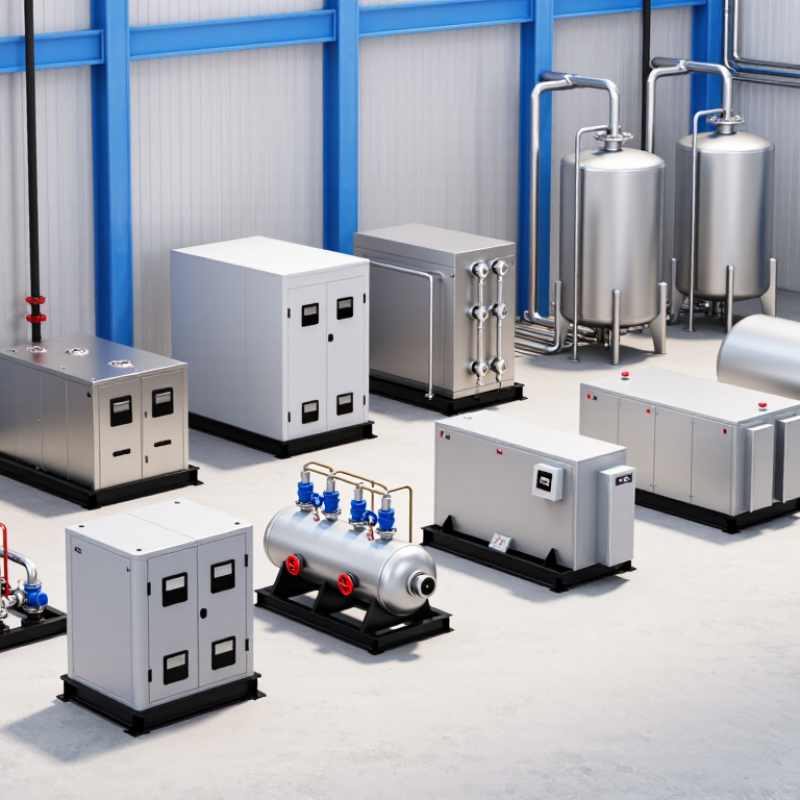
Raw biogas is not ready for every use. It commonly contains methane, carbon dioxide, water vapor, and hydrogen sulfide. The U.S. Environmental Protection Agency’s AgSTAR Project Development Handbook reports methane concentrations of roughly 50–75 percent. That range matters: gas quality can shift with feedstock and digester operation. Purification equipment removes unwanted compounds and adjusts gas to suit its destination, such as a boiler, engine, or pipeline. Small changes count.
A typical treatment line may cool and dry the gas, remove hydrogen sulfide, and separate carbon dioxide when higher methane content is needed. Moisture can corrode pipes, while hydrogen sulfide can damage equipment and create maintenance concerns. The exact process depends on gas composition and end-use specifications; a standard package may not fit every site. The European Biogas Association’s 2024 Statistical Report estimated European biomethane production at 4.9 billion cubic meters in 2023. That growth makes dependable upgrading increasingly relevant, though output figures alone do not prove any single technology is best. Operators should test gas regularly and track pressure, moisture, and contaminant levels. A sample port beside the treatment skid is a small detail, but it can prevent guesswork. No setup is perfect. Regular checks still matter.
Evaluating Chinese biogas purification equipment suppliers requires more than comparing quoted prices. The IEA’s 2020 Outlook for Biogas and Biomethane estimated that sustainable biogas and biomethane could technically meet around 20% of global gas demand. That potential makes reliable purification important, but the figure is not a performance guarantee for any individual plant. Numbers need context.
Ask suppliers for test data using feed gas close to your own: methane concentration, hydrogen sulfide, moisture, pressure, and flow rate. Check methane recovery, product-gas quality, energy use, and performance during feedstock changes. A polished brochure is not enough. Request operating records from comparable installations, with test conditions and measurement methods clearly stated. ISO 20675 provides terminology and classification guidance for biogas systems; it can help buyers compare technical claims consistently.
Inspect practical details, too. Can operators replace filters without dismantling nearby pipework? Are spare parts available, and how quickly can technical support respond? Ask how equipment handles start-up, shutdown, and fluctuating gas flow. These questions can expose gaps in otherwise convincing proposals. No supplier is perfect; documentation may also leave uncertainties. Record assumptions, verify references independently, and compare warranties against the actual operating conditions.
A practical, brand-neutral framework for comparing suppliers. The weights below are suggested evaluation values, not verified supplier rankings.
| No. | Evaluation criterion | What to assess | Evidence to request | Suggested weight |
|---|---|---|---|---|
| 1 | Process suitability | Whether the proposed process—such as water scrubbing, pressure swing adsorption, membrane separation, or chemical absorption—fits the feed gas and intended product use. | Process description, design basis, feed-gas assumptions, and explanation of technology selection. | 15% |
| 2 | Feed-gas characterization | Ability to design for the actual methane, carbon dioxide, hydrogen sulfide, water vapor, oxygen, and contaminant levels, including expected variation. | Required inlet-gas analysis, operating envelope, pretreatment requirements, and provisions for variable feed composition. | 12% |
| 3 | Product-gas specification | Whether the guaranteed outlet quality meets the applicable pipeline, vehicle-fuel, or other end-use requirements. Specifications differ by destination and application. | A written outlet-gas guarantee listing methane content and limits for relevant impurities, with test and acceptance methods. | 14% |
| 4 | Methane recovery and emissions | Methane recovery performance, methane slip, and the treatment or handling of off-gas. Results depend on process design and operating conditions. | Guaranteed performance basis, mass balance, off-gas management description, and a method for measuring methane loss. | 12% |
| 5 | Energy and utility consumption | Expected electricity, heat, water, and consumables use at stated capacity and feed conditions, including utility needs for pretreatment and compression. | Utility balance with clearly stated boundaries, operating assumptions, and estimated consumption at normal and turndown conditions. | 10% |
| 6 | Capacity, turndown, and availability | Fit to the required gas flow, ability to operate at reduced flow, and the maintenance plan for continuous or intermittent operation. | Guaranteed flow range, design operating hours, maintenance schedule, and availability assumptions or references. | 8% |
| 7 | Materials and equipment design | Suitability of materials, seals, piping, and instrumentation for wet, corrosive gas and the specified pressure, temperature, and site environment. | Equipment list, material specifications, pressure design information, corrosion-control approach, and relevant inspection documents. | 8% |
| 8 | Automation and safety | Monitoring and control of process variables, alarms, shutdown functions, gas detection, and safe handling of flammable or toxic gases. | Control narrative, instrument list, alarm and shutdown philosophy, and project-specific safety documentation. | 8% |
| 9 | Compliance and project documentation | Ability to meet the codes, pressure-equipment rules, electrical requirements, and permitting conditions applicable at the installation site. | A compliance matrix identifying applicable requirements, exclusions, certificates, drawings, and documentation deliverables. | 6% |
| 10 | Lifecycle support and commercial clarity | Availability of commissioning, training, spare parts, troubleshooting, warranty support, and transparent pricing for replacement media or consumables. | Scope-of-supply list, warranty terms, spare-parts list, service response arrangements, and lifecycle cost assumptions. | 7% |
| Total suggested evaluation weight | 100% | |||
Note: Compare quotations using the same feed-gas analysis, product-gas specification, capacity basis, utility boundaries, and acceptance-test conditions. Supplier performance should be verified from project-specific guarantees and supporting documentation.
China’s biogas purification suppliers serve projects with very different gas quality, scale, and operating conditions.
The International Energy Agency’s Outlook for Biogas and Biomethane (2020) reported global biogas and biomethane production of about 35 million tonnes of oil equivalent in 2018. That figure gives useful context, but it does not describe China’s supplier performance. Details matter.
These ten capability-based profiles cover farm-manure pretreatment, crop-residue gas treatment, landfill-gas cleanup, wastewater digester systems, and food-waste purification.
Others specialize in compact farm-scale membrane units, centralized water scrubbing, pressure-swing adsorption, membrane upgrading, or integrated polishing and compression.
Compare their stated methane recovery, hydrogen sulfide removal, power consumption, and tolerance for fluctuating feed gas. Ask for operating data from a similar site, not only a laboratory test.
A visible condensate drain, accessible filters, and clear maintenance intervals can matter as much as headline capacity.
This grouping is imperfect: equipment combinations vary, and a supplier strong in steady landfill gas may struggle with wet, variable farm gas.
Check references, process guarantees, and service coverage before comparing quotations.
For a China-focused shortlist, compare purification technology against the actual feed gas, not brochure claims. Water scrubbing is relatively straightforward, while membranes and pressure-swing adsorption can suit compact installations. Each responds differently to methane concentration, hydrogen sulfide, moisture, and changing flow. Ask suppliers for gas analyses and performance guarantees under your feed conditions. Small details matter: a wet sample line can distort readings, and pretreatment can add cost.
Capacity should be checked against both hourly flow and annual availability. IEA’s Outlook for Biogas and Biomethane (2020) estimates sustainable global biomethane potential at about 730 billion cubic metres annually. That is context, not a plant forecast. The European Biogas Association’s Statistical Report 2024 records 4.9 billion cubic metres of European biomethane production in 2023, showing why dependable upgrading matters. Compare methane recovery, product-gas quality, energy use, and turndown range. Not just nameplate capacity. Service scope also separates suppliers: review commissioning, operator training, spare-parts lead times, and remote troubleshooting. I would still question any quote that omits expected downtime; the comparison is imperfect without site-specific feed data.
Typical biomethane methane-content ranges by upgrading technology. This technology-level comparison does not represent individual suppliers.
Indicative industry ranges: actual product-gas quality depends on feed composition, process design, and operating conditions. Reference context: IEA Bioenergy Task 37 publications on biogas upgrading.
When comparing biogas purification suppliers in China, start with your project data, not a catalogue. Record daily gas flow, methane content, hydrogen sulfide, moisture, siloxanes, and seasonal variation. A system sized for average conditions may struggle when feedstock changes. Ask each supplier to specify inlet limits, outlet guarantees, energy use, and start-up requirements. Request test data from projects with similar gas composition. Photos alone are weak evidence.
Compare process design, control systems, maintenance access, and spare-parts lead times. Ask who will commission the equipment and train operators. Confirm what technical support is available after installation. Check that the proposed gas analysis and acceptance test match your intended use. A low quote may exclude analyzers, drying equipment, or installation. That distorts comparisons. Be cautious of fixed-output promises made without representative gas data; actual feed gas can vary.
Tips: Send a recent gas analysis and its seasonal range. Request a written scope, utility list, service plan, and acceptance criteria. Keep uncertain assumptions visible; they may change the design.

