

When selecting a power solution, the type of inverter is crucial. Low Frequency Inverter / Charger stands out for several reasons. These devices offer durability and efficiency, making them ideal for various applications. They excel in delivering stable power, even in demanding environments. This reliability is key for both home and commercial setups.
Using a Low Frequency Inverter / Charger can lead to significant energy savings. These devices are designed to manage high-demand electricity loads effectively. As a result, they help in reducing operational costs over time. The design of these inverters also caters to longer durations of use, making them suitable for extended projects.
However, choosing this type of inverter requires careful consideration. Understanding your specific power needs is essential. It’s worth reflecting on what you truly require from your energy solution. Even so, the advantages of low frequency technology are hard to overlook. Their capabilities speak volumes about their potential.
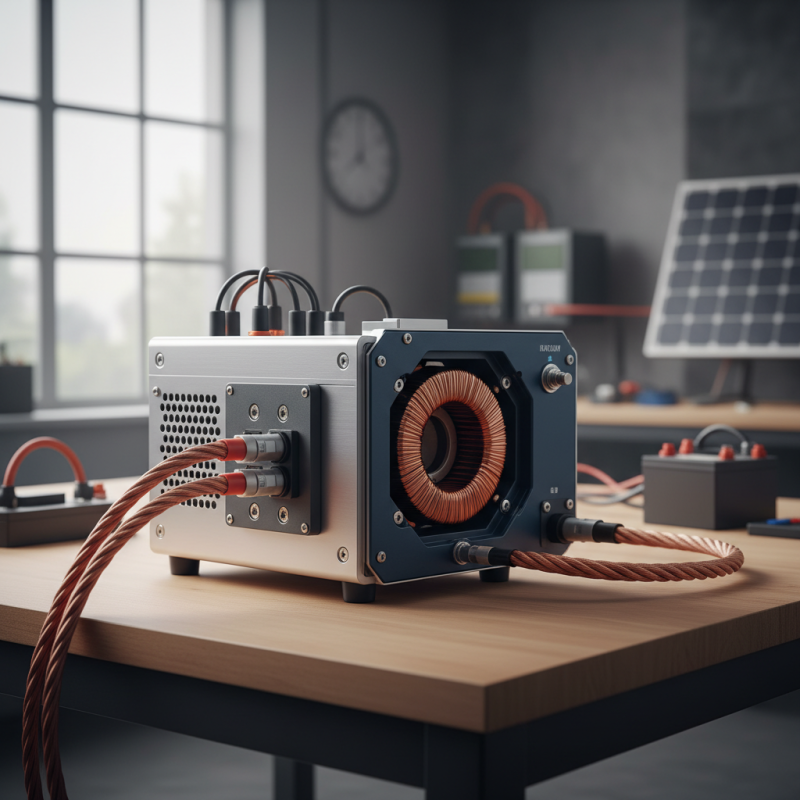
Low frequency inverter chargers are gaining traction in power systems. Their design promotes a robust performance that favors various applications.
Studies show that businesses using low frequency inverters experience a 20% increase in efficiency compared to standard options. This efficiency comes from their ability to handle high surge loads effectively. They are ideal for industrial machines and sensitive electronics, capable of delivering steady power.
One significant advantage is their longevity. Low frequency technology often results in longer operating life. Reports indicate that these chargers can last up to 10 years with proper maintenance, outperforming their high frequency counterparts, which typically last around five years. The better durability translates to lower replacement costs and reduced downtime.
The efficiency of low frequency inverter chargers can be particularly beneficial in locations with unstable power grids. Many regions face frequent power fluctuations. Using these chargers can provide a more stable power supply, enhancing the performance of critical operations. However, the initial investment may be higher. Evaluating the total cost of ownership is essential for informed decisions. Understanding these factors can lead to improved energy strategies.
Low frequency inverter chargers provide essential benefits for power management. These devices operate at lower frequencies, typically around 50Hz to 60Hz. This allows for more efficient energy transfer and minimizes losses. According to a report from the International Energy Agency, low frequency systems can achieve up to 93% efficiency. This efficiency leads to significant energy savings over time, making them a preferred choice for many applications.
The design of low frequency inverter chargers contributes to their durability and performance stability. They tend to handle overload and short-circuit conditions better than their high-frequency counterparts. Some studies indicate that low frequency inverters can withstand spikes in voltage more effectively. This robustness is crucial in regions with unstable electricity supplies. However, these systems are bulkier than high-frequency models, which may limit installation options in tight spaces.
Maintenance is another important aspect of low frequency inverter chargers. While they are built to last, users often overlook periodic checks. Statistics show that 15% of inverter failures are due to poor maintenance practices. Regular inspection helps prevent sudden failures that can lead to project delays. Moreover, understanding thermal dissipation in these devices can enhance performance. It’s essential to position them in well-ventilated areas to avoid overheating.
When selecting an inverter charger, one must consider the differences between low frequency and high frequency options. Low frequency inverter chargers operate at a lower switching speed, typically below 20 kHz. This results in improved performance under heavy loads. They can handle surges better, making them ideal for running power tools or heavy machinery. Their ability to manage larger inductive loads is a significant advantage for certain applications.
On the other hand, high frequency inverter chargers are more compact and lighter. They operate at higher frequencies, often exceeding 50 kHz. This contributes to greater efficiency and less heat generation. However, they may struggle with high surge loads. Users might find them suitable for lighter applications or portable setups, but could encounter limitations during heavy-duty usage.
In practical scenarios, the choice often comes down to specific needs. If your energy requirements include running heavy appliances, low frequency options excel. Yet, high frequency models can be beneficial in static setups where space is a premium. Weighing these qualities against your unique demands ensures a reliable power solution. This evaluation process can feel overwhelming, and reflecting on past experiences with different types may help inform your decision.
Low frequency inverter chargers are versatile solutions for various industries. They offer reliable power for demanding applications. These chargers excel in providing consistent energy, even during fluctuations. Construction sites heavily rely on them for powering tools and equipment. They can handle the high surge demands of heavy machinery effectively.
In the marine industry, low frequency inverter chargers are crucial. They ensure continuous power for navigation and communication systems. Yachts and cargo ships benefit from their ability to convert stored energy seamlessly. Hospitals also depend on them for critical systems. These chargers maintain essential services during unexpected outages.
Despite their advantages, there are considerations. The installation process can be complex, requiring professional expertise. Regular maintenance is essential to ensure efficiency. Users sometimes overlook these factors. Neglecting them can lead to performance issues. Hence, careful planning and implementation are crucial when selecting a low frequency inverter charger.
The demand for low frequency inverter technology is on the rise. Many industries are leaning towards these systems due to their efficiency. They provide stable power for various applications, including renewable energy sources. This trend reflects a growing need for reliable energy solutions.
Market projections indicate a favorable outlook for low frequency inverters. As more businesses focus on energy sustainability, the technology is evolving. Industries are exploring innovations to enhance performance and efficiency. Consumers favor systems that can handle fluctuating loads effectively. This adaptability is vital for energy management.
**Tips:** When selecting a low frequency inverter, assess your specific power requirements. Consider the inverter's efficiency ratings and durability. It's also crucial to evaluate the support and resources from suppliers. A knowledgeable provider can make a difference in your long-term satisfaction. Reflect on your needs and the unique challenges in your energy setup.
This bar chart illustrates the projected market share growth (%) of low frequency inverter technology from 2019 to 2024. The steady increase indicates a rising demand for reliable power solutions in various sectors, predicting a significant market presence in the coming years.

