Why Choose the Right Connector Fittings for Your Needs?
In the world of industrial applications, selecting the right connector fittings is crucial. As expert Mark Thompson, a renowned engineer in the connector fittings industry, once said, "The right connector can make or break a project." This highlights the importance of choosing suitable products for specific needs.
Connector fittings are essential components in various systems. They ensure the seamless flow of materials or even data. An inappropriate choice can lead to leaks, inefficiencies, and increased costs. This is often overlooked, leading to significant setbacks in projects. A strong understanding of materials and specifications is vital.
Many users struggle with the complexity of connector fittings. They may feel overwhelmed by the myriad of options available. Not understanding the unique requirements can result in poor purchasing decisions. It is essential to engage with experts and research thoroughly to avoid costly mistakes. A well-chosen connector fitting not only enhances performance but also saves time and resources.
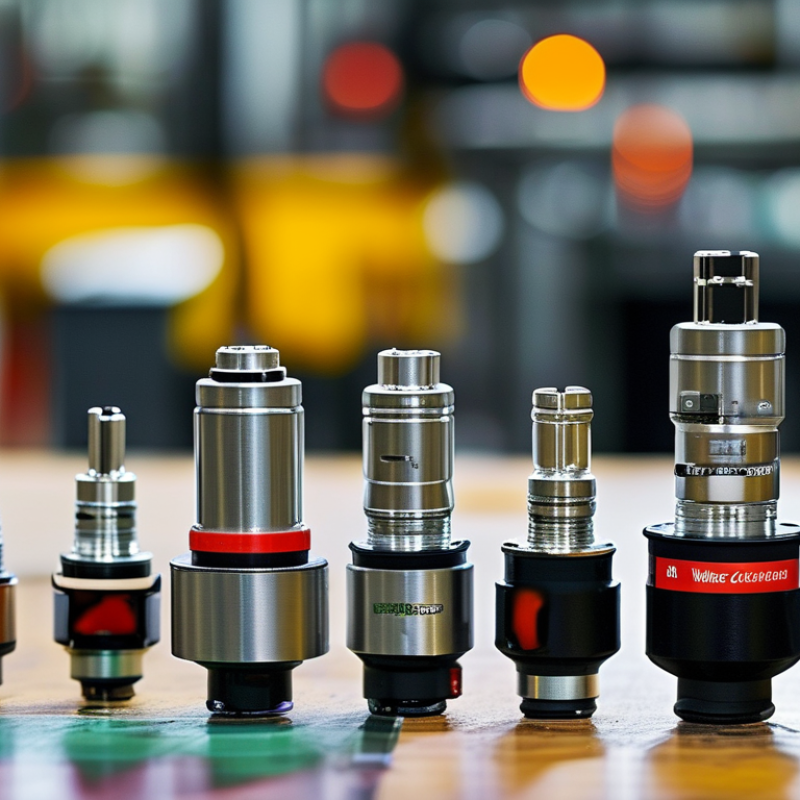
Understanding Connector Fittings: The Basics and Importance
Connector fittings are essential in various fields, including plumbing, HVAC, and automotive industries. Understanding their basics is important for ensuring reliable connections. These fittings come in different shapes and sizes, each designed for specific applications. The right choice can enhance performance and safety in any system.
Different materials, like brass, plastic, or stainless steel, influence the fitting’s durability and resistance to corrosion. Selecting the wrong material may lead to leaks or system failures. It’s crucial to consider the environment where the connector will be used. For example, high-temperature applications require heat-resistant fittings.
Many users underestimate the importance of proper installation. Incorrectly installed connectors can lead to significant issues. It’s advisable to consult expert guidelines or seek professional advice. Gaining a thorough understanding of connector fittings not only promotes efficiency but also contributes to the longevity of your systems. This knowledge empowers users to make informed decisions, ultimately reducing risks and improving performance.
Types of Connector Fittings and Their Specific Applications
Choosing the right connector fittings is crucial for any plumbing or electrical installation. There are various types available, each designed for specific applications. Understanding these types can save time and prevent costly errors.
For instance, compression fittings are commonly used in plumbing. They create a tight seal without welding. This feature makes them ideal for areas that require frequent adjustments. However, improperly installed compression fittings can lead to leaks and water damage.
Another type is the flare fitting, often used in gas lines. They feature a conical seat that provides a secure connection. While flare fittings are reliable, they can be challenging to install correctly. An improper installation can result in gas leaks, which are dangerous.
Overall, selecting the right connector fitting requires careful consideration of the specific application. A small mistake might lead to significant issues down the line. Taking the time to research options can ensure safety and reliability in your project.
Why Choose the Right Connector Fittings for Your Needs? - Types of Connector Fittings and Their Specific Applications
| Connector Type | Material | Application | Max Pressure (PSI) | Temperature Range (°C) |
| Compression Fittings | Brass | Plumbing | 300 | -20 to 150 |
| Push-Fit Connectors | Plastic | HVAC | 200 | 0 to 60 |
| Barbed Fittings | Nylon | Fluid transfer | 150 | -10 to 90 |
| Threaded Connectors | Stainless Steel | Industrial | 500 | -40 to 200 |
| Quick Disconnects | Aluminum | Automotive | 250 | -20 to 120 |
Factors to Consider When Choosing Connector Fittings
Choosing the right connector fittings can significantly affect the performance of your systems. Factors such as size, material, and pressure ratings are crucial. For instance, a study by the International Society of Automation states that about 70% of system failures relate to improper connector selection. This underscores the importance of understanding your specific requirements.
Material compatibility is critical. If the fittings are to be exposed to corrosive substances, choosing the right material can prevent leaks and equipment failure. According to a report by Research and Markets, improper material selection can lead to maintenance costs rising by up to 30%. Additionally, the pressure ratings of fittings must align with operational needs. Underestimating pressure leads to catastrophic failures.
Another overlooked aspect is installation ease. Complex fittings might cause delays and increase the total cost. A survey from the Institute of Electrical and Electronics Engineers found that 65% of technicians prefer simpler solutions for quicker installations. This highlights a need for a balance between functionality and practicality. Therefore, it is vital to evaluate all these factors carefully when selecting connector fittings.
How Proper Connector Selection Enhances System Performance
Choosing the right connector fittings impacts system performance significantly. Data from industry analyses show that improper connector selection can lead to a performance dip of up to 30%. This is particularly evident in high-demand environments, such as telecommunications and manufacturing, where reliability is non-negotiable.
Experts highlight that thermal resistance and material compatibility are crucial factors. For example, mismatched materials can cause corrosion, leading to premature failures. A study indicated that 40% of system downtimes are directly related to connector issues. It suggests a clear need for intentional selection to avoid costly disruptions.
Fitting selection is not always straightforward. Many systems require specific voltage and current ratings that may not be immediately apparent. Engineers often face challenges in balancing cost and quality. Skimping on connectors can save money upfront, but it raises long-term risks. Refining the fitting selection process is essential for improving overall reliability and efficiency.
Connector Fittings Impact on System Performance
This chart illustrates the impact of connector fitting quality on system performance. As the quality of connectors increases, the performance rating improves significantly, highlighting the importance of proper connector selection to enhance system efficiency and reliability.
Common Mistakes to Avoid in Selecting Connector Fittings
Choosing the right connector fittings can significantly impact project success. Many professionals overlook critical factors during the selection process. According to industry reports, 30% of connector failures result from improper fitting choices. This oversight often leads to increased costs and project delays.
One common mistake is mismatching materials. For example, using plastic fittings with metal pipes can cause leaks over time. A study by the Institute of Electrical and Electronics Engineers revealed that 40% of installations fail due to material incompatibility. Always confirm that the materials match both the application and environment.
Another frequent error is neglecting the specifications of pressure and temperature ratings. Many connectors have limits that must be respected; exceeding these can lead to catastrophic failures. The Fluid Power Society emphasizes that fitting failures often go unreported, significantly underestimating actual costs. Careful evaluation of specifications can prevent both safety hazards and financial losses.