How to Choose a Sewer Line Cleaning Machine?
A slow drain may look minor until several fixtures gurgle or wastewater rises near a floor drain. Choosing a Sewer Line Cleaning Machine starts with understanding the problem, not chasing the biggest motor. Grease, roots, wipes, and compacted debris behave differently inside a pipe. So do narrow laterals and long sewer runs. The wrong cable or nozzle can waste time, damage older piping, or leave the blockage partly intact. Small details matter.
This guide explains how to compare cable machines and water jetters, then match their capabilities to pipe diameter, access points, blockage type, and job frequency. It also covers practical checks, including cable length, torque, hose pressure, portability, maintenance, and operator protection. A machine that works well in a service van may not suit a confined basement cleanout. Not always. Manufacturer specifications and qualified inspection can help confirm what a line can safely handle, especially when its material or condition is uncertain. There is no perfect universal choice. Even careful sizing can miss a hidden bend or a damaged section, so selection should leave room for judgment rather than rely on one headline rating.
Measure Pipe Size and Run: 3–6 in. Lines Commonly Use 1/2–3/4 in. Cables
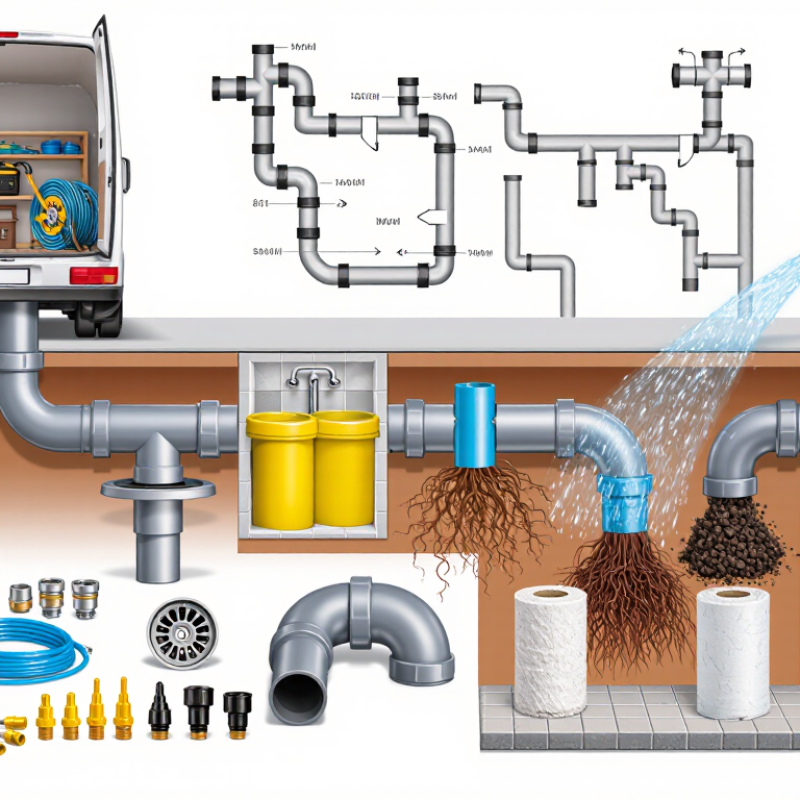
For a 3–6-inch sewer line, a 1/2–3/4-inch cable is a common starting range. The right choice depends on the run, not pipe diameter alone. A long line with several bends can put more strain on a cable than a short, straight section. Too small, and the cable may buckle or struggle to carry a cutter. Too large, and it can feel stiff through tight turns. Measure the accessible run, note cleanouts and bends, and check the machine’s rated cable capacity before work begins. Field conditions can surprise you.
The U.S. EPA’s 2022 Clean Watersheds Needs Survey estimates $630.1 billion in wastewater infrastructure needs over the next 20 years. This is a system-wide investment estimate, not a cable-sizing guide. Still, it highlights the scale of wastewater maintenance and the value of matching equipment to the task. Pipe material, standing water, and the blockage itself also matter. A cable that worked well on one run may not be right for the next.
Tips: Start with the smallest cable rated for the pipe and machine. Feed it steadily; stop if it twists, binds, or repeatedly loses progress. Record the pipe size, run length, and cable used. That simple note helps refine your next choice.
Match the Cleaning Method to the Blockage: Cables for Roots, Jetters for Grease
How to Choose a Sewer Line Cleaning Machine?
Match the tool to the blockage, not just the pipe size. Tree roots often enter through joints and form tough, fibrous mats. A cable machine with a suitable root-cutting head can break and retrieve that material. Feed the cable steadily, and avoid forcing it through resistance; aggressive cutting can damage fragile or already compromised pipes. A small camera inspection helps confirm whether roots remain.
Grease behaves differently. It coats pipe walls and can build into a soft, narrowing layer. A high-pressure water jetter can scour the pipe and carry loosened grease downstream, where flow can remove it. EPA’s 2004 Report to Congress on sanitary sewer overflows identifies roots and fats, oils, and grease among common blockage contributors. The report estimates 23,000 to 75,000 overflows annually in the United States, though that range covers multiple causes—not just these blockages. That distinction matters.
Look at what comes back. Root fragments suggest cutting may be needed; greasy residue points toward jetting. If the line repeatedly blocks, cleaning alone may hide a structural defect. I’d inspect before choosing the machine, even when the symptoms seem obvious. A little uncertainty is useful.
Compare Jetter Ratings: Professional Models Often Deliver 1,500–4,000 PSI
How to Choose a Sewer Line Cleaning Machine?
Professional sewer jetters often deliver 1,500–4,000 PSI, but the highest rating is not automatically the best choice. PSI describes water pressure; gallons per minute (GPM) indicates flow. Together, they affect how effectively a machine can move grease, sediment, and loose debris. Check whether a listed figure is the maximum or the working pressure, since actual performance can change with hose length and nozzle choice. Details matter.
Match the machine to the pipe and the blockage. Smaller residential lines may need less pressure than larger, heavily fouled drains. Older or fragile pipes call for extra care: excessive pressure can worsen existing damage. A rating cannot diagnose pipe condition, either. That part is easy to overlook. Consider a machine with adjustable pressure, and follow its operating instructions. If you are unsure about a line’s material or condition, consult a qualified drain professional.
Tips: Compare PSI and GPM together, not in isolation. Ask for the rated working pressure, then confirm which nozzle and hose setup produced it. Start with a lower setting and increase only when appropriate. Wear eye protection, secure hose connections, and keep people clear of the outlet. A powerful machine can clear a stubborn obstruction, but it cannot make every pipe safe to jet.
Check Reach and Access: Match Cable or Hose Length to the Cleanout-to-Blockage Run
Choosing a sewer line cleaning machine starts with measuring the actual route from the cleanout to the blockage. A straight run may need little extra reach, but bends, vertical sections, and offsets consume cable or hose. Measure the pipe path where possible, then allow working length to feed, retrieve, and control the tool. Advertised cable length is not the same as useful reach. Keep that in mind.
Tips: Mark the cleanout location. Estimate distance to the blockage using inspection findings or prior service records. Add a modest reserve for bends, but do not choose an excessively long cable that becomes difficult to handle. For water-jetting equipment, check hose length alongside water supply and pressure requirements. A longer hose alone does not guarantee effective cleaning.
Match the machine to both distance and access. A narrow indoor cleanout may limit the size of the equipment, while an exterior access point can provide more room for setup. If the obstruction’s location is uncertain, consider inspection before selecting a machine; guessing can leave too little reach or encourage unsafe overfeeding. It is easy to miss a bend on paper. Recheck measurements, and follow the equipment maker’s operating guidance for cable handling, hose limits, and protective equipment.
Review Power and Safety: Confirm GFCI Protection and the Machine’s Duty Rating
A sewer machine works close to damp floors, metal fittings, and standing water, so check electrical protection before comparing motor power. OSHA’s construction standard requires GFCI protection for many 120-volt, 15- and 20-amp receptacles on construction sites; see 29 CFR 1926.404(b)(1). Requirements can vary by work setting, so verify the supply and site rules. Press the GFCI’s test and reset buttons before use, and stop if protection trips repeatedly. Never treat repeated trips as a nuisance.
Duty rating matters as much as peak power. A machine’s label or manual should state its allowed operating cycle and rest period. Match that rating to the job: a long drain run may demand sustained operation, while a short, stubborn blockage may create brief high loads. NFPA estimated 46,700 U.S. home fires annually involving electrical failure or malfunction during 2015–2019, underscoring why sound equipment and wiring checks matter. That figure covers many causes; it does not measure sewer-machine incidents.
Tips: Check the cord jacket, plug, and connections for cuts or looseness. Keep plugs off wet floors. Let the motor cool for the specified interval. If the manual is unclear, pause and confirm the rating with a qualified supplier; guessing is not a safe test.