

Choosing Alkaline Water Hydrogen Production Equipment is a practical engineering decision, not just a comparison of nameplate capacity. The IEA’s Global Hydrogen Review 2024 reports that installed water-electrolysis capacity worldwide reached about 1.4 GW by the end of 2023. Yet announced projects do not guarantee operating plants. IEA Executive Director Fatih Birol has repeatedly highlighted this gap between project plans and delivered low-emissions hydrogen. Buyers should apply the same caution to equipment claims.
Start with the duty profile. How many kilograms of hydrogen must the plant deliver each day? Will it run steadily, or follow variable renewable power? Check the stack’s rated output, energy consumption, operating pressure, turndown range, and expected service life. Ask for test conditions behind every efficiency figure. A brochure value without its operating temperature and system boundary tells only part of the story.
Look beyond the electrolyser stack. Water treatment, gas separation, power conversion, cooling, controls, and safety systems all affect total plant performance. Request references for installations with similar capacity and operating conditions. Review maintenance intervals, replacement costs, spare-parts availability, and commissioning support. IRENA’s Green Hydrogen Cost Reduction report also stresses that electrolyser costs depend on manufacturing scale, technology, and project conditions—not equipment price alone. That matters.
The best choice may not be the cheapest unit or the largest stack. Compare lifetime output, service commitments, and measured system efficiency on a like-for-like basis. Ask uncomfortable questions; supplier data can still leave gaps. A careful decision begins with evidence, site needs, and a clear record of assumptions.
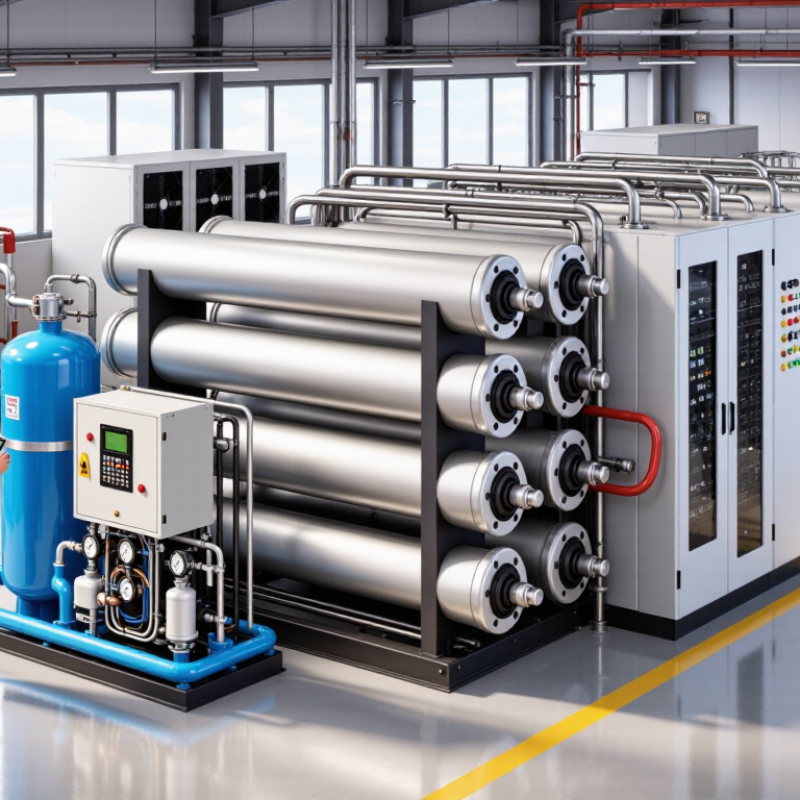
Before comparing alkaline water hydrogen production equipment, define the hydrogen your process actually needs. Record average and peak demand in kilograms per day or normal cubic metres per hour. Also specify required outlet pressure and hydrogen purity. Peaks matter. A daily total can hide a short, demanding production window. For example, a batch process may draw heavily for two hours, while a burner may use hydrogen steadily throughout the day.
Map the operating conditions around the equipment. Note expected operating hours, startup frequency, load changes, ambient temperature, cooling capacity, and available water quality. Check the proposed system’s turndown range and response to changing demand; these vary by design. If production must continue during maintenance, include that requirement in the capacity plan. A modest reserve can help, but oversizing may increase cost and leave equipment running inefficiently at low load. It is easy to trust a clean spreadsheet too much. Compare its assumptions with actual shift schedules, seasonal demand, and likely future use. Ask for documented output, pressure, purity, and energy figures at your intended operating conditions—not only at rated capacity.
Alkaline electrolysis uses electricity to split water into hydrogen and oxygen. An alkaline electrolyte carries ions between two electrodes, while a separator keeps the product gases apart. The process sounds simple. Real equipment is not. Electrode materials, separator condition, and operating temperature all affect efficiency and maintenance needs. A well-designed system also manages electrolyte circulation and monitors pressure, temperature, and gas purity.
Look beyond the rated hydrogen output when comparing equipment. Check the power supply, gas-liquid separators, cooling system, water-treatment requirements, and control sensors. Ask how operators can inspect seals and replace worn components. A compact unit may save floor space, but servicing access matters too. A tidy specification sheet can hide practical limits; actual performance depends on site conditions and consistent upkeep. No single configuration suits every facility.
Tips: Match the unit’s capacity to expected demand, and confirm the supplier explains maintenance intervals and operating limits. Check ventilation and safety monitoring provisions with qualified personnel. Small details count. Record water quality and operating readings during commissioning; they can help reveal gradual changes, though they will not explain every fault.
| Equipment or selection dimension | Role in alkaline electrolysis | Typical information or range | What to check when choosing |
|---|---|---|---|
| Electrolyzer stack | Uses direct current to split water into hydrogen and oxygen in an alkaline electrolyte. | Industrial alkaline stacks commonly operate at approximately 60–90°C. Cell voltage and current density depend on stack design and operating conditions. | Compare rated hydrogen output, operating range, efficiency basis, turndown capability, stack life, and maintenance requirements. Request performance data at the intended operating conditions. |
| Electrolyte circulation system | Circulates alkaline solution through the stack to support ionic conduction and remove heat and gas bubbles. | Potassium hydroxide (KOH) is commonly used; concentrations around 20–30% by mass are typical, but the design specification governs. | Check pump compatibility, flow monitoring, leak containment, corrosion-resistant materials, electrolyte sampling, and safe procedures for handling caustic solution. |
| Power supply and rectifier | Converts incoming AC power into controlled DC current for the electrolyzer stack. | Electrical rating is determined by the stack’s required DC voltage and current at the specified production rate. | Confirm grid voltage and frequency, DC control range, protection functions, cooling method, power quality requirements, and compatibility with variable renewable power if applicable. |
| Water treatment and feed system | Provides make-up water and helps limit impurities that can affect the stack, electrolyte, or downstream equipment. | Demineralized or deionized water is generally used. Required quality and monitoring limits are equipment-specific. | Check source-water analysis, treatment capacity, conductivity monitoring, storage, filtration, and the supplier’s stated water-quality limits. |
| Gas-liquid separators | Separate hydrogen and oxygen from the circulating electrolyte after they leave the stack. | Hydrogen and oxygen are collected in separate process paths; vessel design depends on flow, pressure, and electrolyte circulation. | Verify pressure and temperature ratings, liquid-level control, demisting, drainage, gas crossover monitoring, and materials compatible with the electrolyte. |
| Hydrogen purification and drying | Reduces moisture and may remove residual oxygen or other contaminants to meet the end-use specification. | Product purity depends on the separation, purification, and drying configuration; it should be specified at the system outlet. | Define required hydrogen purity, dew point, delivery pressure, flow rate, and allowable contaminants for the intended process or storage system. |
| Cooling and heat management | Removes heat generated during electrolysis and maintains the stack and electrolyte within their operating limits. | Cooling demand varies with electrical input, ambient conditions, and system design. | Check cooling capacity, heat-rejection method, site water availability, temperature controls, and performance in the expected ambient-temperature range. |
| Controls and safety systems | Monitor operating conditions and manage shutdowns, alarms, ventilation, and protective interlocks. | Typical monitored variables include pressure, temperature, flow, liquid level, electrical values, and gas composition. | Review hazard analysis, hydrogen detection, ventilation, emergency shutdown logic, pressure relief, electrical protection, and applicable local codes. |
| Energy consumption and system output | Links the equipment rating to expected hydrogen production and operating cost. | System electricity use is often reported in kWh per kilogram of hydrogen or kWh per normal cubic metre; reported values depend on system boundaries and operating conditions. | Compare like-for-like figures, including whether auxiliaries, gas treatment, and compression are included. Check output at the required purity and delivery pressure. |
Note: Operating ranges are indicative rather than universal. Confirm final specifications, performance guarantees, materials, and safety requirements with the equipment documentation and applicable regulations.
Choosing alkaline water hydrogen production equipment starts with capacity. Estimate average demand, then check the highest short-term demand your process may require. Compare rated hydrogen output in normal cubic meters per hour, not just the equipment’s advertised maximum. A unit sized too tightly may struggle during demand peaks. An oversized unit can cost more and run inefficiently at low loads. Ask suppliers for output data across the operating range, including hydrogen purity and delivery pressure.
Efficiency figures need context. Compare energy consumption in kWh per normal cubic meter of hydrogen, and confirm whether the figure includes pumps, cooling, and control systems. A lower headline number may exclude these auxiliary loads. Request test conditions and recent operating records; laboratory results do not always reflect a warm, dusty plant room. Consider maintenance intervals, water quality requirements, and how performance changes as components age. These details are easy to overlook.
Tips: Match capacity to measured demand, then leave a practical margin rather than guessing. Compare energy use at your expected operating load. Check what each quoted figure includes. Ask for service records and independent test information where available. I would still verify the assumptions with an engineer familiar with your site; even a careful estimate can miss seasonal changes.
When evaluating alkaline water hydrogen production equipment, inspect the safety systems, not just the output rating. Hydrogen can accumulate in poorly ventilated spaces, so check ventilation design, gas detection, pressure relief, and emergency shutdown functions. Ask how alarms respond to a leak or power failure. Test records matter. A control panel that looks complete is not proof that its interlocks work.
Materials must suit the electrolyte, operating temperature, and pressure. Review wetted components, including piping, seals, valves, and electrodes, for documented chemical compatibility. Corrosion may develop slowly, then appear at a fitting or gasket. Small details matter. Request maintenance intervals and inspection guidance, and confirm replacement parts meet the same specifications. One weak seal can undermine otherwise sound equipment.
Regulatory requirements vary by location and installation, so verify applicable electrical, pressure-system, fire-safety, and workplace rules with qualified professionals. Request current conformity documents, risk assessments, and operating instructions; check that they match the exact model and configuration being purchased. Not just paperwork. Documentation can still leave site-specific questions unanswered, and that is worth acknowledging. Confirm who will review the installation and commission the equipment before it enters service.
When choosing alkaline water hydrogen production equipment, assess the full installation, not just the stack. Confirm that the site can provide demineralized water, suitable electrical capacity, ventilation, drainage, and space for gas separation and service access. Check how the unit handles electrolyte filling and spills; a cramped service aisle can turn routine work into downtime. Small details matter. IRENA’s 2020 Green Hydrogen Cost Reduction report estimated that electrolyser costs had fallen by about 60% since 2010. That trend does not remove costs for site preparation, power connections, water treatment, or commissioning.
Maintenance needs vary by design and operating conditions, so request a written schedule for inspections, electrolyte checks, seals, pumps, and stack replacement. Ask which parts are consumables, how long replacements take to obtain, and what service skills are needed onsite. Then compare lifecycle costs over the same operating hours and electricity assumptions. Include water treatment, planned outages, replacement parts, labor, and energy use—not merely the purchase price. A neat spreadsheet can still miss the cost of a delayed spare part. Leave room for uncertainty: actual service intervals may differ from estimates, especially when operating patterns change.

