How to Choose Angular Miter Gears for Your Project?
Choosing the right angular miter gears for your project is crucial. These gears play a vital role in transmitting power between non-parallel shafts. They come in various configurations, making selection challenging. Understanding your project’s needs is key to making the best choice.
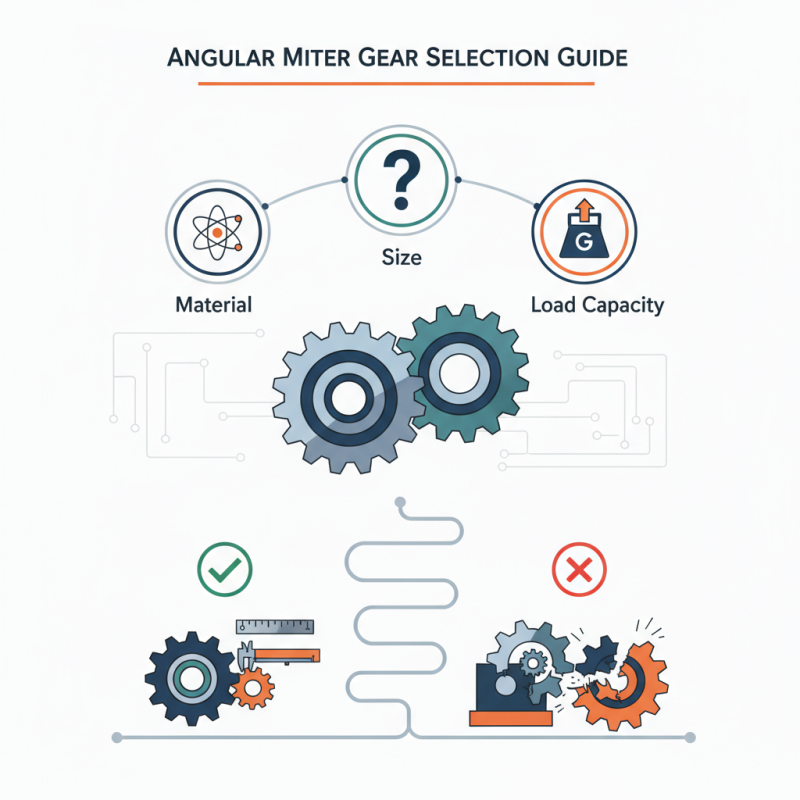
When selecting angular miter gears, consider factors such as gear material, size, and load capacity. Each project has unique requirements that must be met to ensure efficiency and durability. If you miscalculate your specifications, it could lead to performance issues. This highlights the importance of careful planning.
In this guide, we aim to provide valuable insights into selecting angular miter gears. Our expertise in gear mechanics will help you navigate through the options available. Remember, the right gear can greatly enhance your project’s effectiveness, while the wrong one can hinder progress. Make informed decisions to achieve optimal results.
Understanding the Basics of Angular Miter Gears and Their Applications
Angular miter gears are crucial in various mechanical applications. They efficiently change the direction of rotational motion. Understanding their basic components can help in selecting the right gears for your needs. The key parts include the gear teeth, pitch angle, and the overall size. Knowing these aspects is vital for optimal performance.
Consider a practical example. In a conveyor system, angular miter gears can enhance efficiency. However, if the gear size doesn't match the existing setup, mechanical issues may arise. Misalignment can lead to increased wear and potential failure. It’s essential to regularly check compatibility before installation.
When choosing angular miter gears, analyze your project's specific requirements. Factors like load capacity and operational speed play significant roles. Don't overlook the importance of material selection, as it affects durability. Reflect on the project's long-term goals to ensure you make an informed decision. A hasty choice may result in costly adjustments later.
Key Factors to Consider When Selecting Angular Miter Gears
When selecting angular miter gears for your project, precise measurements are critical. Start by understanding the gear ratio needed for your application. This ratio will affect both speed and torque. Consider the operating environment, too. Factors like temperature and moisture can affect gear performance.
Material selection is another crucial factor. Gears made from stainless steel offer durability. However, plastics may be lighter and cost-effective. Make sure to weigh the benefits of longevity against your budget constraints. Also, consider how the gears will be mounted. Compatibility with shafts and housings is essential for smooth operation.
Tips: Always review the specifications. Check for misalignment tolerances. This can prevent early wear. Don't forget to consider noise levels as well. Quiet operation may be important in certain settings. Overall, detailed research and thoughtful consideration are key to finding the right gear for your needs.
Types of Angular Miter Gears and Their Unique Features
When selecting angular miter gears, it’s crucial to understand the different types available. These gears come with unique features that cater to various applications. The bevel gear type allows for smooth transmission of power between non-parallel shafts. This is particularly useful in mechanical systems where space is constrained. Their conical shape aids in effective movement and force distribution.
Another common type is the hypoid gear. This variation provides advantages in efficiency and load capacity. Hypoid gears allow for a greater contact area between the teeth. This results in quieter operation and reduced wear over time. However, they can be more complex to manufacture, leading to higher costs and longer lead times. It may require a more thorough understanding of gear production processes.
Lastly, straight bevel gears should not be overlooked. They are simpler in design and cost-effective solutions for many projects. While they may lack some benefits of hypoid gears, their straightforward nature can be beneficial for straightforward applications. Each type has its pros and cons which can complicate the selection process, demanding careful consideration from engineers. Understanding these features enhances your ability to choose the right gear for your needs.
Calculating Load and Speed Requirements for Your Gear Selection
Choosing the right angular miter gears is crucial for project success. One key aspect is calculating load and speed requirements. Without accurate calculations, you might use gears that cannot handle the demands of your application. This can lead to gear failure, excessive wear, and costly downtime.
Start by determining the expected load on the gears. Analyze the forces acting on them during operation. This will require a clear understanding of your system's dynamics. You’ll need to take into account the torque and other relevant parameters. Next, evaluate the speed at which the gears will operate. The gear ratio affects the output speed significantly.
After gathering this information, select gears suitable for both load and speed. Mismatches can cause inefficiencies or even breakdowns. Remember, the materials and wear resistance also play essential roles. Regular testing and adjustments might be necessary as conditions change. Don't hesitate to revisit your selections regularly, ensuring optimal performance over time.
Best Practices for Installation and Maintenance of Angular Miter Gears
When installing angular miter gears, precision is key. Start by ensuring that the mounting surfaces are clean and free from debris. Misalignment during installation can lead to premature wear. Using proper tools to align gears can make a significant difference. Additionally, check that the gear teeth are properly meshed. Any deviation can result in noise and vibration during operation.
Regular maintenance is essential for longevity. Inspect the gears for signs of wear or damage. Additionally, lubrication plays a vital role in reducing friction and heat. Apply the appropriate lubricant according to the manufacturer’s guidelines. Inadequate lubrication can lead to gear failure, costing you time and resources.
Don’t overlook periodic re-evaluation of your installation. Sometimes, adjustments are necessary as components settle over time. Learning from any issues encountered during previous installations is crucial. Documenting these experiences can lead to better practices moving forward. Remember, a well-maintained angular miter gear system can greatly enhance the efficiency of your mechanical designs.