How to Choose the Best Ball Valve Actuation Manufacturers?
Choosing the right ball valve actuator is crucial for industrial applications. It can make a significant difference in efficiency and performance. The Best Ball Valve Actuation Manufacturers provide reliable solutions tailored to various needs. However, selecting the right manufacturer can be overwhelming.
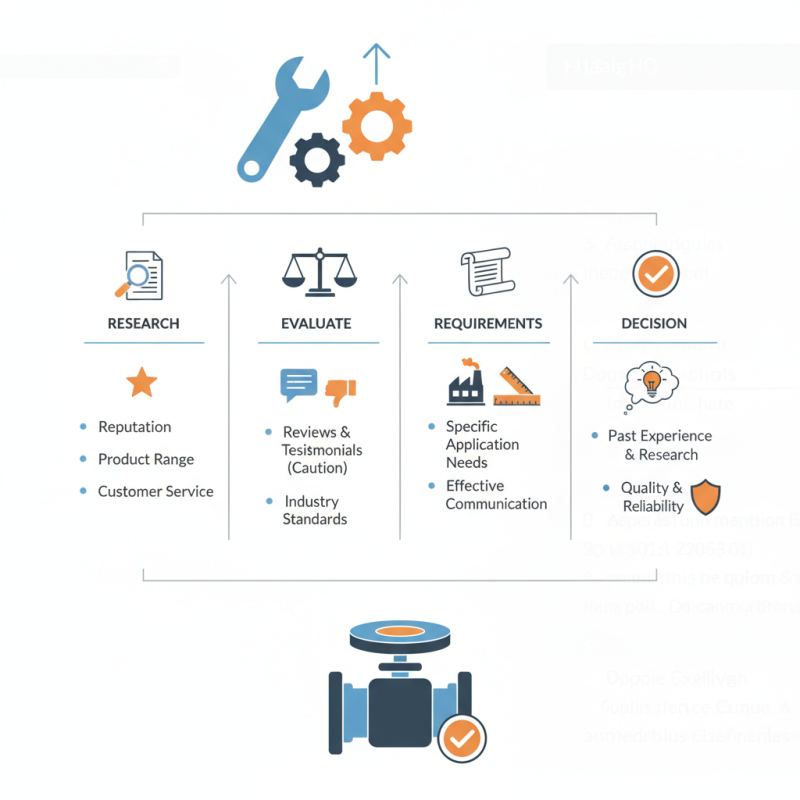
Many factors come into play. The manufacturer’s reputation, product range, and customer service are essential. Companies often struggle with determining the quality of these manufacturers. Reviews and testimonials can be helpful but should be taken with a grain of caution. Familiarizing yourself with industry standards can add perspective to your choice.
Understanding the specific requirements of your application adds another layer. It is vital to communicate your needs effectively. Some manufacturers may not meet your expectations despite glowing reviews. Reflect on past experiences and research thoroughly. The goal is to find the Best Ball Valve Actuation Manufacturers that truly deliver quality and reliability.
Understanding Ball Valve Actuation: Key Concepts and Terminology
Ball valve actuation plays a crucial role in various industries. Understanding the terminology and concepts is essential for making informed decisions. A ball valve is a type of quarter-turn valve that uses a spherical disc to control fluid flow. Actuation refers to the mechanism that opens or closes the valve. It can be manual, electric, or pneumatic.
According to a recent industry report, the global ball valve market is expected to grow at a CAGR of 5.2% from 2021 to 2026. This growth reflects the increasing demand for efficient fluid control solutions across sectors like oil and gas, water treatment, and chemical manufacturing. Key terms in this field include torque, pressure rating, and actuator types. Each term influences the performance and suitability of the valve for specific applications.
Tips: Always consider the environment where the valve will be used. Corrosive substances might need special materials. Take torque requirements seriously. Insufficient torque can lead to valve failure. Additionally, match the actuator type to the operational needs for better efficiency. New technologies may offer upgrades but assess their reliability carefully.
Factors to Consider When Evaluating Manufacturers of Ball Valve Actuators
When evaluating manufacturers of ball valve actuators, several critical factors come into play. Quality and reliability remain paramount. According to a recent industry report by Research and Markets, over 30% of valve actuator failures occur due to inferior manufacturing practices. This highlights the importance of selecting manufacturers with proven quality control measures. Companies should have certifications like ISO 9001, reflecting their commitment to quality assurance.
Another key factor is the range of products available. Manufacturers should offer a diverse selection of actuators to meet various application needs. For instance, electric, pneumatic, and hydraulic actuators each serve unique functions. The Global Actuator Market report indicates a growing demand for smart actuators, projected to reach a CAGR of 8% by 2026. This trend signals the need for manufacturers to innovate and adapt their offerings.
Customization options also deserve attention. Manufacturers that provide tailored solutions can better meet specific industry requirements. However, relying solely on customization may pose risks of increased lead times or unexpected costs. A balanced approach, incorporating both standard and customized products, can mitigate such challenges. Ultimately, careful evaluation of these factors can help ensure a reliable partnership with a ball valve actuator manufacturer.
Assessing Quality and Reliability in Ball Valve Actuation Products
When selecting ball valve actuation manufacturers, assessing quality and reliability is crucial. The materials used in valve components significantly impact performance. Durable materials withstand pressure and environmental conditions, ensuring longevity. Poor quality materials can lead to frequent failures, causing delays in operations.
Testing and certification processes are essential for reliable products. Manufacturers that adhere to industry standards often provide better assurance. Look for companies that conduct rigorous testing, including pressure and performance evaluations. This ensures that their products meet necessary safety and efficiency benchmarks.
Customer feedback can be enlightening. Reviews and case studies shed light on real-world performance. A manufacturer with consistent positive feedback demonstrates a commitment to quality. Yet, don’t ignore critical reviews; they can indicate areas for improvement. Use this information to make informed decisions about potential suppliers.
Comparative Analysis of Ball Valve Actuator Quality and Reliability
Researching Manufacturer Reputation and Customer Reviews
When choosing a ball valve actuation manufacturer, reputation is key. Researching a manufacturer’s history can reveal important insights. Look for companies with extensive experience in the industry. Their longevity often indicates reliability. A newer company may offer innovative solutions, but its lack of a proven track record may be a risk.
Customer reviews provide valuable perspectives. Online platforms offer a wealth of feedback. Focus on detailed reviews that share specific experiences. Did customers encounter issues with product quality? Were they satisfied with customer service? Positive reviews can indicate trustworthiness, but watch for patterns in negative feedback. Relying solely on ratings may be misleading.
Consider reaching out directly to past clients. Engaging with them can yield rich insights. Hearing firsthand about their experiences can highlight both strengths and weaknesses. Be cautious of overly glowing reviews. They may lack authenticity. Transparency is crucial in understanding a manufacturer’s capabilities.
Comparing Costs and Warranty Options from Different Ball Valve Actuator Makers
When selecting a ball valve actuator manufacturer, cost is a significant factor. Comparing prices across manufacturers reveals the range of investment required. Some may offer lower upfront costs, but these savings can lead to compromises in quality. Understanding the total cost of ownership is essential. Examine aspects such as installation, maintenance, and expected lifespan. A cheaper actuator could become costly in the long run if frequent repairs are needed.
Warranties also play a vital role in decision-making. A strong warranty indicates the manufacturer's confidence in their product. Look for manufacturers that offer long-term warranties. These reflect an assurance of quality and reliability. A lengthy warranty can provide peace of mind. However, be cautious of fine print. Some warranties have conditions that can affect their validity.
Consider customer reviews and case studies as well. These insights can lead to valuable lessons. Feedback often highlights overlooked aspects. Explore experiences from multiple users to gauge real-world performance. A balance between cost, warranty, and user feedback creates a more informed decision.
How to Choose the Best Ball Valve Actuation Manufacturers?
| Manufacturer Type | Cost Estimate (USD) | Warranty Period | Customer Support |
| Electric Actuators | $500 - $1,200 | 2 years | 24/7 Support |
| Pneumatic Actuators | $600 - $1,500 | 1 year | Business Hours Support |
| Hydraulic Actuators | $800 - $2,000 | 3 years | Priority Support |
| Manual Actuators | $100 - $400 | 6 months | Limited Hours Support |