Top 10 Tips for Choosing the Best Metal Detector Machine?
Choosing the right Metal Detector machine can be overwhelming. With so many options available, it’s crucial to make an informed decision. A metal detector machine is not just a tool; it’s your partner in discovering hidden treasures. Understanding the features, types, and suitability of a detector can greatly enhance your experience.
Many factors influence your choice. Budget, purpose, and technical specifications matter. Some machines excel in specific environments, while others are versatile. You might find a basic model sufficient for casual use. However, serious hobbyists often require advanced features for deeper searches. Balancing your needs with the capabilities of the metal detector machine is vital.
As you explore your options, reflect on your experience level and intended use. Novices may benefit from simpler models. In contrast, seasoned treasure hunters might seek high-end devices. Recognizing your goals can prevent costly mistakes. Choosing wisely will lead to more enjoyable adventures in the field.
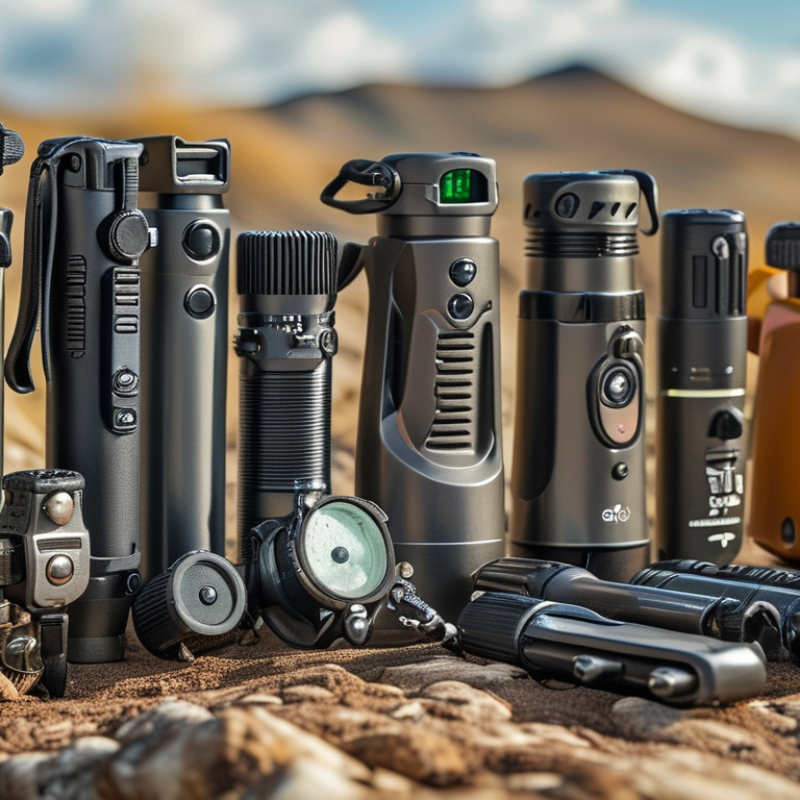
Understanding Metal Detector Types and Their Uses
Metal detectors come in various types, each designed for specific purposes. Understanding these different types can significantly enhance your treasure-hunting experience. For instance, very low frequency (VLF) detectors are popular among hobbyists. They are mainly used for coin and jewelry hunting. Their sensitivity to small metal objects makes them ideal for shallow searches.
Pulse induction (PI) detectors are another option. These are effective in highly mineralized soils and saltwater environments. They can detect deeply buried objects, making them suitable for beachcombers. On the other hand, multi-frequency detectors offer versatility. They can operate on several frequencies simultaneously, adapting to various types of ground conditions.
Choosing the right metal detector depends on personal needs and preferences. Some novices may struggle to interpret the signals. Additionally, not all machines are user-friendly. So, it's crucial to consider your skill level and the environments you plan to search. Do thorough research before making a decision to find the best fit for you.
Key Features to Consider in Metal Detector Selection
When choosing a metal detector, several key features demand careful consideration. The type of detection mode is critical. Most detectors offer either all-metal mode or discriminate mode. All-metal mode senses all types of metals, while discriminate mode filters out unwanted objects. Think about the environments you will search in. Some detectors excel in wet soil, while others are better suited for dry terrain.
Pay attention to the detector's sensitivity and depth range. A sensitive detector can pick up smaller items, enhancing your treasure-hunting experience. Depth range is equally important; it determines how deep you can detect objects. However, not all detectors perform equally well at maximum depth. Sometimes, depth claims can be misleading. Understand the real capabilities before committing.
Weight and ergonomics should not be overlooked either. A heavy detector can quickly lead to fatigue. Look for adjustable shafts and comfortable grips that make long searches easier. Remember, a bad ergonomic choice can turn a promising day into a tiring one. Reflect on how you feel during testing. Is it comfortable? Is it easy to maneuver? Each of these features impacts your overall enjoyment of metal detecting.
Evaluating Depth and Sensitivity in Metal Detectors
When selecting a metal detector, depth and sensitivity are crucial factors. A detector’s depth capability significantly impacts treasure hunting success. Industry reports indicate that advanced models can detect objects between 8 to 20 inches deep. This range offers hunters the ability to find artifacts buried significantly underground.
Sensitivity plays a vital role as well. A higher sensitivity setting allows detectors to pick up smaller items, even in mineralized or challenging soil. Recent studies show that detectors with excellent sensitivity can locate coins as small as 0.6 grams. However, too high a sensitivity can lead to false signals. It is crucial to find a balance that works for the environment you are exploring.
Tip: Choose a metal detector that provides adjustable sensitivity settings. This feature allows hunters to adapt to different ground conditions. Also, consider detectors with multi-frequency options. They can enhance performance in various soil types, ensuring you maximize your search. Even among experienced treasure hunters, it’s easy to overlook these features, emphasizing the importance of research and testing.
Top 10 Tips for Choosing the Best Metal Detector Machine
| Tip Number | Tip Description | Depth Range (ft) | Sensitivity Levels | Ideal Use Case |
| 1 | Evaluate the search depth capability | 1-10 | High | Beach hunting |
| 2 | Check for adjustable sensitivity | 1-8 | Medium | Coin shooting |
| 3 | Consider the weight and ergonomics | N/A | N/A | Long sessions |
| 4 | Look for waterproof capabilities | 1-12 | High | Diving or shallow water |
| 5 | Check for discrimination features | 1-6 | Medium | Trashy areas |
| 6 | Assess ground balance settings | 1-10 | High | Highly mineralized soils |
| 7 | Review battery life and type | N/A | N/A | Extended trips |
| 8 | Know the warranty and support options | N/A | N/A | Peace of mind |
| 9 | Consider the display type and features | N/A | N/A | User friendly |
| 10 | Test the machine in store if possible | N/A | N/A | Hands-on experience |
Importance of Coil Size and Shape in Detection Performance
Choosing the right metal detector involves several factors, one of which is the coil size and shape. The coil is crucial in determining how effectively the detector locates metal objects underground. Larger coils cover more ground and can detect deeper targets, while smaller coils offer better sensitivity to smaller items.
Consider the types of areas you intend to search. If you are hunting in heavily littered sites, a smaller coil may work better. It can filter out unwanted signals from trash. However, if you’re searching wide-open fields, a larger coil increases your chances of finding valuable items quickly.
It’s also essential to test different coil shapes. Elliptical coils provide better maneuverability in tight spaces. Round coils are versatile and widely used. This variety allows you to adapt to varying environments. Remember that your choice in coil size and shape can significantly affect your success rate. Reflect on your needs as a detectorist to make more informed decisions.
Budgeting for Your Metal Detector Purchase and Accessories
When considering a metal detector, budgeting plays a crucial role. Start with a clear idea of how much you can afford. Quality machines can range widely in price. A budget of $200 to $500 is sensible for beginners. This range offers reliable options without breaking the bank. However, don’t forget to factor in accessories like headphones, digging tools, and carrying cases. These can add another $100 to your overall cost.
Think about your metal detecting goals. If you aim to explore beaches and parks, a mid-range detector suffices. For more serious treasure hunting, investing in a higher-end model may be wise. It's also important to remember maintenance costs, such as batteries and occasional repairs. A poorly maintained detector can lead to disappointing finds and wasted time. Reflect on these aspects as you plan your purchase, ensuring you make an informed choice.
Top 10 Tips for Choosing the Best Metal Detector Machine