How to Choose the Right Balancing Valves for Your System?
Choosing the right Balancing Valves for your system is crucial for optimal performance. These valves ensure proper flow distribution in hydronic heating and cooling systems. When selecting Balancing Valves, it’s important to consider various factors that affect their functionality.
In the world of HVAC, the choice can be overwhelming. Many types of Balancing Valves are available, each designed for specific applications. It's easy to get lost in the technical jargon. Understanding the differences can prevent costly mistakes. Reliable manufacturers often provide valuable resources. These resources can enhance your knowledge and ensure you make informed decisions.
While experience is essential, many overlook the importance of system compatibility. A valve that works well in one setting may fail in another. Be prepared to research and ask questions. Engaging with professionals can help clarify doubts. Ultimately, the right Balancing Valves create a more efficient and balanced system, making your investment worthwhile.
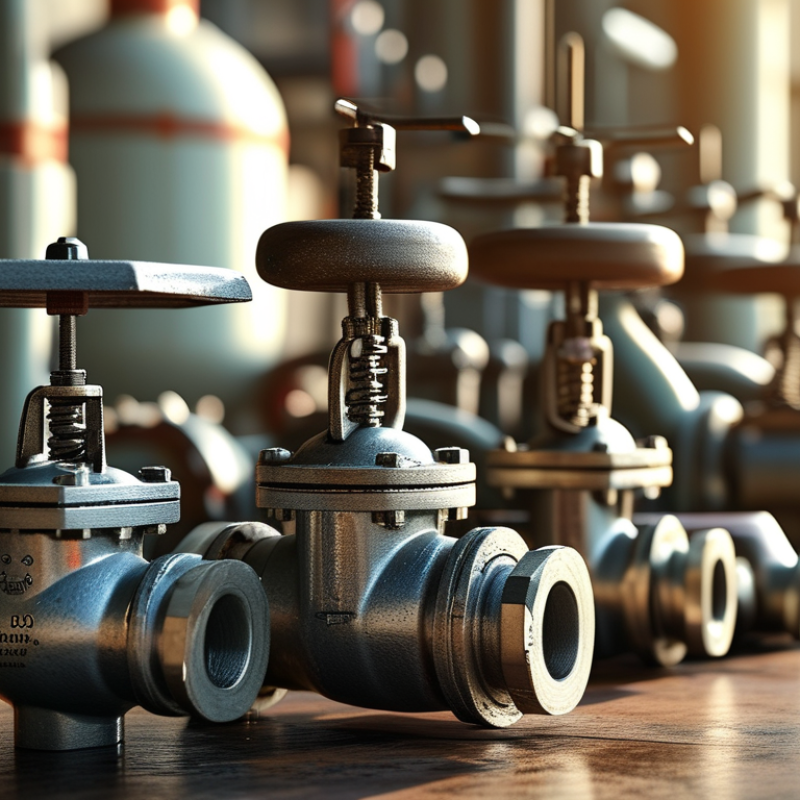
Understanding the Function of Balancing Valves in HVAC Systems
Balancing valves play a crucial role in HVAC systems. They ensure the proper distribution of water, maintaining consistent temperatures across different zones. When installed correctly, these valves enhance efficiency, improve comfort, and save energy. According to industry reports, systems with effective balancing valves can reduce energy consumption by up to 15%. This is vital in reducing operational costs and environmental impact.
Selecting the right balancing valve involves understanding flow rates and system pressure. Incorrect sizing can lead to underperformance or excessive pressure drops. Engineers often recommend using balancing valves with adjustable features. This allows for fine-tuning during system commissioning. A study by the American Society of Heating, Refrigerating and Air-Conditioning Engineers indicates that improper valve selection can degrade system efficiency by 30%.
Testing flow rates is essential before installation. Some systems may require specific valve types based on their design. Incorrect assumptions about flow needs can lead to failures. Professional advice is invaluable, as experienced engineers can navigate complex HVAC parameters. Reliable data from performance metrics can inform better choices. Always consult industry standards for guidance.
Types of Balancing Valves and Their Applications
Balancing valves are essential for proper fluid distribution in HVAC and plumbing systems. Understanding their types and applications is crucial for efficiency. Two primary types include pressure-independent and pressure-dependent balancing valves. Pressure-independent valves automatically adjust to maintain flow rates regardless of pressure fluctuations. This is particularly useful in varying load conditions, such as commercial buildings. According to a report by ASHRAE, properly designed systems can improve energy efficiency by up to 30%.
On the other hand, pressure-dependent valves require manual adjustment. These valves are suited for applications where flow conditions remain constant. However, a limitation is their dependency on system pressure, which can lead to inefficiencies. A study by the Hydraulic Institute revealed that poorly balanced systems can waste up to 20% of energy due to uneven flow distribution. Choosing the right type based on your system's needs is vital. Assessing factors like load variability and installation complexity ensures optimal performance.
Selecting balancing valves requires careful consideration. Many systems may face challenges due to incorrect valve choices or installation errors. Inadequate planning can lead to increased energy consumption and maintenance costs. Understanding these aspects helps avoid common pitfalls in valve selection and application.
Key Factors to Consider When Selecting Balancing Valves
Choosing the right balancing valves is crucial for the efficiency of your hydraulic systems. Several key factors come into play when making this selection. One of the primary considerations is the flow rate required for your system. An improperly sized valve can lead to inadequate flow, causing issues like system imbalance or inefficiency. It’s essential to assess your system's specific needs and flow demand accurately.
Another important aspect is the pressure range of the balancing valve. Ensure that it meets your system's operational pressure. A valve not rated for your pressures might fail prematurely or not function correctly. Consider the material of the valve as well. Different materials can affect durability and corrosion resistance, especially in varying environmental conditions. Reflect on how these factors contribute to longevity and reliability.
Additionally, pay attention to installation requirements. Some balancing valves can be complex to install and require specialized knowledge. If installation is beyond your team's capability, consider consulting with industry professionals. This decision can ultimately save costs and prevent potential system failures. Regularly reviewing the performance of your balancing valves can help identify issues early and ensure optimal operation.
Installation and Maintenance Tips for Balancing Valves
When installing balancing valves, attention to detail is crucial. Begin by ensuring the valve is accessible for adjustments and maintenance. Align it with the flow direction indicated on the valve body. A snug fit is essential; however, over-tightening can damage the valve threads. Use appropriate tools and methods to secure it in place without applying excessive force.
Regular maintenance of balancing valves prolongs their efficiency. Routine checks for leaks should be a priority. Inspect for debris that may clog the valve. Clear any obstructions that could hinder proper function. Adjustments may be necessary over time, as system demands can change. Familiarize yourself with the valve's operation to identify subtle changes in performance. Staying proactive can prevent larger issues later on.
Remember, balancing valves are not set-and-forget components. Their effectiveness relies on ongoing vigilance and care. Learning from repairs and maintenance experiences enhances reliability. Document your inspections and adjustments for future reference. This practice not only builds a record of system health but also informs better decision-making for future installations.
How to Choose the Right Balancing Valves for Your System? - Installation and Maintenance Tips for Balancing Valves
| Criteria | Description | Recommended Type |
| Flow Rate | Determine the maximum and minimum flow rates required for your system. | Pressure-Independent Balancing Valves |
| Pipe Size | Consider the diameter of the pipes in your system for optimal fitting. | Full Port Balancing Valves |
| System Pressure | Identify the operating pressure of your system to select compatible valves. | High Pressure Balancing Valves |
| Temperature Range | Check the temperature limits of your fluids in the system. | Thermal-Resistant Balancing Valves |
| Installation Space | Ensure there is sufficient space for valve installation and maintenance. | Compact Balancing Valves |
Common Mistakes to Avoid When Choosing Balancing Valves
When selecting balancing valves for your system, many overlook critical factors that can lead to significant issues. One of the common mistakes is not considering the flow rates required. According to industry reports, up to 30% of HVAC systems are not balanced correctly, largely due to improper valve selection. This can cause energy inefficiencies and uneven heating or cooling across spaces.
Another frequent pitfall is neglecting the pressure drop requirements of your system. A valve with too high or too low a pressure drop can lead to operational failures. Data indicates that nearly 25% of maintenance costs in commercial buildings result from inadequate balancing. Understanding the specific needs of your system can prevent these costly mistakes.
Evaluate compatibility with existing systems. Choosing a valve that does not fit your system's specifications can lead to leakage or malfunction. This mismatch is more common than expected and stems from hasty decisions.
Checking for the latest guidelines and standards helps ensure you are on the right track. Always consult reliable sources and data before making a final choice. There’s no harm in seeking expert advice. Rely on those with experience.
Choosing the Right Balancing Valves: A Comparison of Common Types
This chart illustrates the performance ratings of different types of balancing valves commonly used in systems. Selecting the appropriate valve type is crucial for maintaining optimal flow and efficiency in hydraulic systems.