Top Tips for Choosing the Right Filter Press Filter Cloth?
Choosing the right Filter Press Filter Cloth is crucial for optimizing filtration processes. This decision can significantly affect efficiency and product quality in various industries. With a multitude of options available, understanding specific fabric characteristics is essential.
Different materials offer varying levels of filtration efficiency and durability. For instance, synthetic fabrics often provide better resistance to chemicals, while natural fibers may offer superior filtration outcomes for specific applications. It's essential to assess the type of slurry and the desired cake thickness when selecting a cloth.
Many users overlook maintenance needs when choosing a Filter Press Filter Cloth. Regular inspection and cleaning can prolong cloth life and enhance performance. Consideration of these factors is critical for making informed choices that support operational effectiveness. Reflecting on past experiences with cloth selection can provide valuable insights.
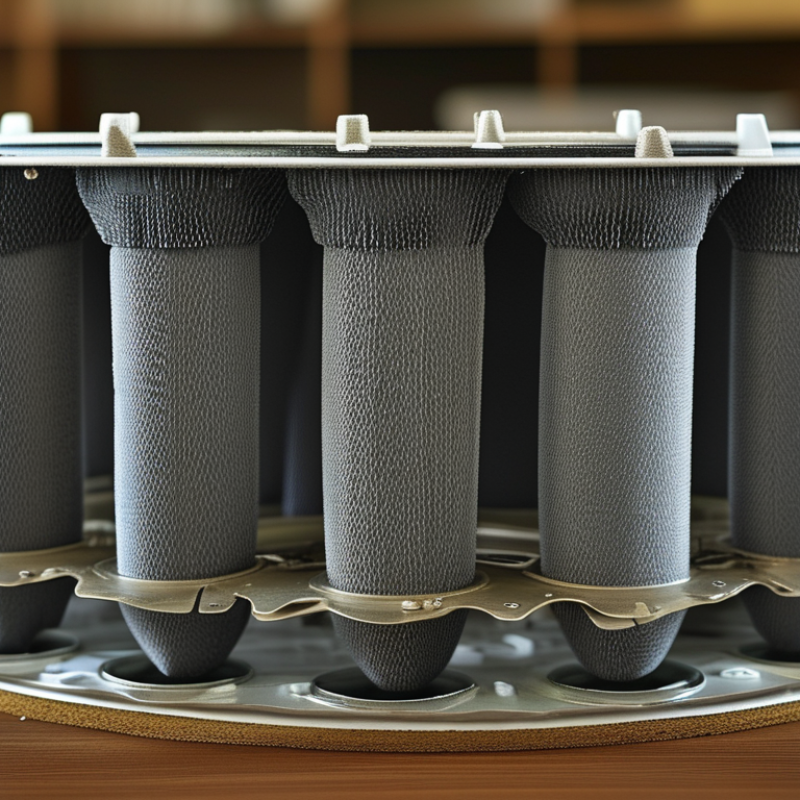
Understanding the Role of Filter Cloth in Filter Press Operations
In filter press operations, the choice of filter cloth is critical. The filter cloth acts as the barrier that separates solids from liquids. The right cloth can significantly impact efficiency and product quality. Materials, fabric structure, and filtration ratings vary widely. Data indicates that improper selection can lead to a 20-30% decrease in throughput.
Choosing the right filter cloth involves understanding its role in the process. Common materials include polypropylene, polyester, and nylon. Each offers different strengths. For instance, polypropylene has excellent chemical resistance but may not withstand high temperatures. The fabric structure, whether woven or non-woven, also affects filtration performance. Woven fabrics tend to provide better durability.
Many users underestimate maintenance needs. Regular cleaning and replacement of filter cloth ensure optimal performance. Neglect can lead to blinding, where particles clog the fabric, impairing flow. Recent industry reports suggest that proper cloth maintenance can enhance lifespan by up to 40%. Evaluating these factors carefully contributes to efficient and effective filter press operations.
Key Factors to Consider When Selecting Filter Cloth Material
Choosing the suitable filter cloth material for a filter press is crucial. Several key factors influence this decision. The material's chemistry plays a significant role. Options such as polypropylene, polyethylene, and polyester vary widely in resistance to different chemicals. According to industry reports, selecting the right material can improve filtration efficiency by up to 20%.
Fabric weave is another essential factor. Plain, twill, and satin weaves each have distinct characteristics affecting permeability and durability. A report from a filtration research group notes that the right weave can enhance cake release and reduce cloth blinding. For example, a finer fabric provides better clarity but may compromise flow rates. This balance is critical.
Consider the operating conditions as well. Temperature and pressure can degrade certain materials. For instance, polypropylene is not suitable for high-temperature applications. Thus, understanding the specifics of your process is vital. Furthermore, regular consultation with experts can prevent costly mistakes. Many facilities overlook the importance of this step, leading to inefficient filtration systems and increased downtime.
Evaluating Fabric Porosity and Pore Size for Optimal Filtration
When choosing the right filter press filter cloth, evaluating fabric porosity and pore size is crucial. The pore size directly impacts filtration efficiency. For effective solid-liquid separation, a typical pore size ranges from 1 to 100 microns. However, the ideal size depends on the specific application. For instance, fine particles may require a smaller pore size, often around 5 microns, which provides better clarity in the filtrate.
Research shows that fabric porosity plays a significant role in cake release and filtration rates. According to a 2021 industry report, higher porosity materials can enhance throughput by 20%. Yet, overly porous fabrics may compromise the quality of the solid cake. This balance must be considered during material selection. Additionally, the material composition affects durability and resistance to wear and tear.
Moreover, not all filter cloths perform consistently across different conditions. Variability in raw materials can lead to inconsistencies in filtration performance. It’s essential to conduct field tests and evaluate long-term performance. Understanding these nuances can prevent costly mistakes in the filtration process. Regular assessments of cloth integrity are necessary for maintaining efficiency and quality.
Top Tips for Choosing the Right Filter Press Filter Cloth
| Filter Cloth Type | Fabric Material | Porosity (µm) | Pore Size (mm) | Recommended Applications |
| Woven Polyester | Polyester | 5-15 | 0.5-1.5 | Chemical Filtration, Municipal Wastewater |
| Non-Woven Polypropylene | Polypropylene | 10-30 | 1.0-2.0 | Food Processing, Slurry Separation |
| Polyester Felt | Polyester | 15-25 | 1.5-3.0 | Fine Particle Filtration, Industrial Applications |
| Polyamide (Nylon) | Nylon | 5-20 | 0.8-1.5 | Pharmaceutical, Chemical Processing |
Durability and Maintenance: Choosing Long-lasting Filter Cloths
When selecting filter cloths for your filter press, durability and maintenance are key considerations. Opt for materials that withstand harsh conditions. Look for resistance to abrasion, chemicals, and temperature fluctuations. These attributes ensure your filter cloths last longer and require less frequent replacements.
Regular maintenance can significantly extend the lifespan of filter cloths. Frequently check for wear and tear. Regular cleaning prevents clogging and extends usability. Inspect seams and edges, as these are common failure points. Understanding the specific material properties can guide your cleaning routines.
Tip: Choose woven fabrics for added strength. Non-woven options may offer flexibility but often lack durability. Ensure that the chosen options boast high tensile strength for better results. Making informed decisions today can significantly impact your operational costs tomorrow.
Filter Cloth Durability Comparison
This bar chart illustrates the durability of various filter cloth materials measured in hours. Selecting the right material can significantly affect the lifespan of the filter cloth in filter press applications.
Cost vs. Performance: Finding the Right Balance in Filter Cloth Selection
Choosing the right filter cloth for a filter press is crucial. Cost and performance often clash in these decisions. A report from the Filtration Society highlights that cloths, which are too inexpensive, may not last long. This leads to more frequent replacements and increased downtime. On average, a quality filter cloth can represent up to 30% of the total operating cost over its lifespan.
Performance metrics should guide filter cloth selection. The filtration efficiency, permeability, and durability matter greatly. Studies show that a high-quality cloth can improve the filtration yield by 15%. However, higher performance often comes at a price. For instance, some advanced materials can double the initial cost. Balancing these costs with operational efficiency is key. It requires assessing long-term gains over immediate expenses.
Moreover, not all materials suit every application. Each industrial process has unique requirements. Understanding the specific needs and conducting a trial with different cloths can reveal surprising results. One cloth may outperform another in one aspect but fall short in another. It's essential to analyze these details before making a decision.