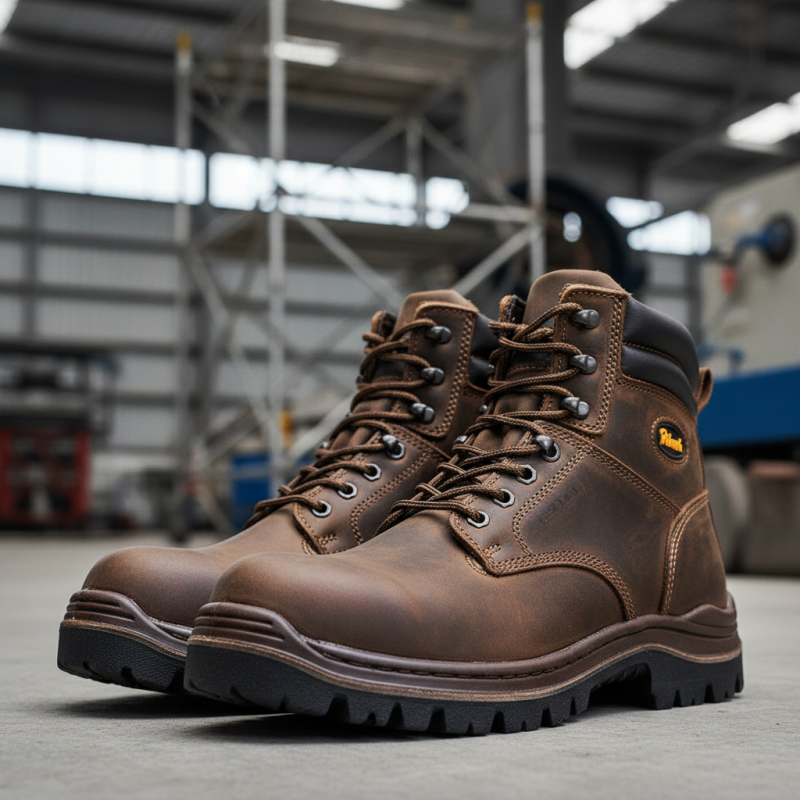
Essential Tips for Choosing the Right Safety Boots?
Choosing the right Safety Boots is crucial for anyone working in hazardous environments. John Smith, a safety footwear expert, emphasizes, "The right boots can protect lives." His insights remind us that Safety Boots are not just accessories; they are essential protective gear.
Many factors influence the choice of Safety Boots. The materials, construction, and comfort play significant roles in overall safety. For instance, slip resistance is vital on slick surfaces. A poorly chosen pair can lead to accidents. Additionally, the fit must be snug but not restrictive.
Selecting Safety Boots requires careful consideration. It's not merely about brand names or styles. Look for certifications and standards that ensure quality. Remember, wrong decisions can lead to serious injuries. Each detail matters in creating a safer workplace. Reflecting on your needs can lead to a better choice in Safety Boots.
Factors to Consider When Selecting Safety Boots for Your Job Type
When selecting safety boots for your specific job type, it’s essential to consider various factors that ensure protection and comfort. According to the National Institute for Occupational Safety and Health (NIOSH), proper footwear can reduce injury risk by up to 40%. Start by assessing the hazards present in your workplace. For example, construction sites often require steel-toed boots for heavy object protection. Alternatively, if you work in chemical handling, boots with chemical resistance are crucial.
Another factor to reflect upon is the fit. A report from the American Podiatric Medical Association indicates that nearly 70% of workers wear ill-fitting shoes, leading to discomfort and potential long-term foot damage. The right boot should provide arch support and room for toe movement. Remember, the right weight is also significant. Lightweight boots can enhance mobility but might compromise durability.
It’s vital to consider the environment you'll be in. If you are in a wet or slippery area, look for boots with slip-resistant soles. In contrast, insulated boots may be necessary for cold conditions. Many overlook the breathability of the material, which can affect overall foot health. Choosing wisely requires weighing these details meticulously. The right safety boots are more than just protective gear—they’re a pivotal part of your work safety system.
Understanding Safety Standards and Ratings for Protective Footwear
When selecting safety boots, understanding safety standards is crucial. Safety footwear is classified according to specific standards set by various organizations. These standards dictate the level of protection a boot provides for different work environments. Look for ratings such as ASTM, ISO, or CSA, which indicate how well the boot guards against impacts, punctures, and electrical hazards.
Each rating comes with its unique criteria. For example, ASTM-rated boots can withstand certain levels of shock and impact. Likewise, ISO standards provide guidance on slip resistance and heat resistance. Knowing these ratings helps you assess the boots' suitability for your specific needs. It’s essential to consider your work environment carefully. A boot that protects against slips may not be ideal for electrical work.
Additionally, comfort is often overlooked. A boot may meet safety standards but still be uncomfortable to wear for long periods. Ill-fitting boots can lead to foot fatigue or injuries. Ensure you try on various options while considering safety ratings to find a balance between protection and comfort. Reflect on your daily tasks to make an informed choice.
Material Choices: How Leather, Synthetic, and Rubber Compare in Safety Boots
When selecting safety boots, material choice is crucial. Leather, synthetic, and rubber each offer distinct strengths and weaknesses. Leather is known for its durability and breathability. According to the American Society for Testing and Materials (ASTM), leather can withstand abrasions better than most synthetic materials. However, it often requires more maintenance and can be less effective in wet environments.
On the other hand, synthetic materials like nylon and polyester are lightweight and water-resistant. They usually dry faster than leather, making them a popular choice in wet working conditions. A report by the National Institute for Occupational Safety and Health (NIOSH) indicates that synthetic boots can provide adequate slip resistance but may lack the longevity of leather options. Rubber boots are exceptionally waterproof and suited for environments like chemical plants or farms. While they excel in protection against spills, they may lack breathability, causing discomfort during prolonged use.
Users should reflect on their specific work conditions to choose wisely. What feels comfortable initially may not hold up over time. Understanding these materials can prevent costly mistakes. Investing time in choosing the right safety boots can significantly impact worker safety and productivity.
Essential Tips for Choosing the Right Safety Boots
The Importance of Comfort and Fit for Long-Term Wear in Safety Boots
When choosing safety boots, comfort and fit are paramount. Long hours on your feet can lead to fatigue and discomfort, impacting productivity and safety. A well-fitting boot allows for natural foot movement, reducing the risk of blisters or calluses. Ensure there is enough room in the toe box for your toes to move. This is critical for maintaining overall comfort during long workdays.
Tips for finding the right fit include trying on boots with the socks you intend to wear. Walk around in them for a bit. Pay attention to any pressure points or tight areas. Your heel should stay in place while the boot flexes with your foot. A boot that fits well can make a significant difference in how you feel at the end of the day.
Consider the weight of the boots as well. Heavier boots might seem durable but can lead to fatigue. Lighter options can help maintain energy over long shifts. Always prioritize comfort, even if finding that perfect pair takes time. Don't rush the process; your feet deserve the best care.
Evaluating the Cost vs. Quality of Safety Boots in Industrial Applications
When selecting safety boots, one must consider the delicate balance between cost and quality. In industrial environments, inadequate footwear can lead to serious injuries. Safety boots should provide proper support and protection without breaking the bank. Many assume that a higher price guarantees better quality, but this is not always true.
Materials play a critical role. Leather may cost more, but it often outlasts synthetic options. Comfort is another consideration; discomfort can lead to fatigue, affecting productivity. Sometimes, people choose cheaper options without considering the long-term costs, including potential injuries.
It’s essential to evaluate durability alongside price. A low-cost boot may wear out quickly, necessitating frequent replacements. This approach can lead to higher expenses over time. Investing in a reliable pair might seem costly initially but can save money in the long run. Reflect on the choices. Are you prioritizing short-term savings over safety?