

Global buyers often compare Super Intalox Saddle suppliers by more than price. Packing performance depends on the saddle’s dimensions, material, surface finish, and consistency between production batches. A small difference in geometry can affect how packing fits inside a tower. That matters in real operation.
Supplier claims deserve careful review. Ask for current product specifications, material options, inspection details, and representative packing photographs. If a project requires ceramic, metal, or plastic saddles, confirm that the quoted product matches its process conditions. Small details matter. A reliable supplier should explain tolerances and packaging clearly, rather than relying on broad promises. Buyers can also request sample pieces or arrange a technical discussion before placing a large order. These checks do not guarantee perfect performance, but they reduce avoidable uncertainty.
Shipping is part of the assessment, too. Confirm carton or pallet protection, loading plans, production capacity, and estimated lead times for the destination. Ask how damaged goods or specification mismatches are handled. Good answers help. This guide introduces considerations for comparing leading Super Intalox Saddle suppliers serving global buyers, including product range, quality communication, and export support. “Top” does not mean the same thing for every project. One supplier may suit a tight delivery schedule; another may offer a better fit for a specific material or volume. The comparison should be practical, not just polished. Supplier information can be incomplete, so verify important details directly before making a decision.
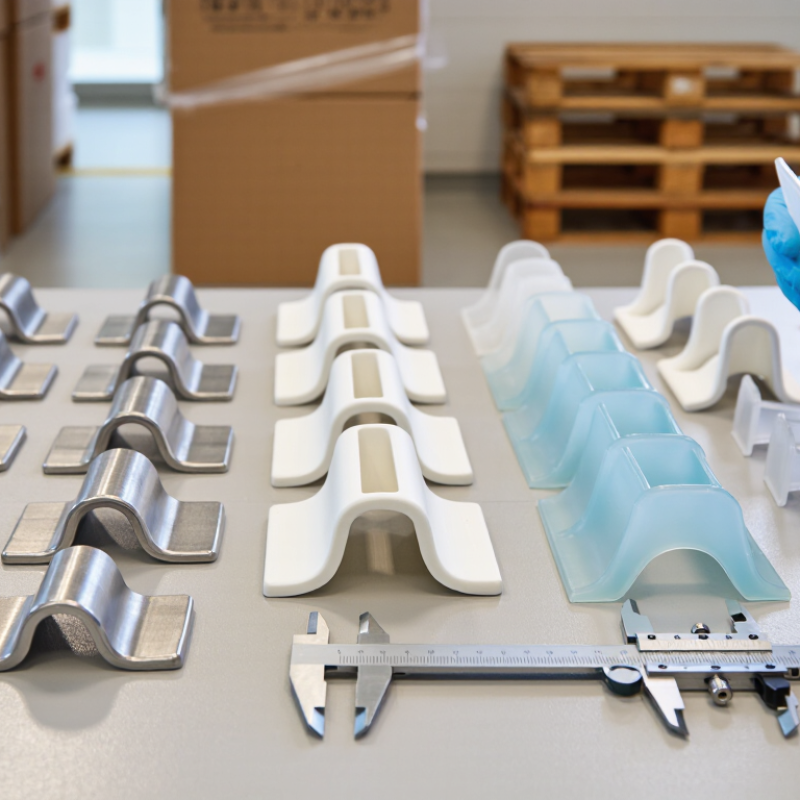
Super Intalox saddles are shaped pieces of random tower packing, commonly made from ceramic, plastic, or metal. Their curved surfaces and open passages let liquid spread across the packing while vapor moves upward. More contact between the two phases can support mass transfer without creating the resistance of a tightly packed bed. The details matter.
In a packed column, operators load the saddles in bulk rather than arranging them in layers. Liquid enters near the top and trickles over the surfaces; vapor rises through the gaps. This arrangement is used in processes such as gas absorption, stripping, and distillation. It can also appear in scrubbers that bring a gas stream into contact with a circulating liquid.
Selection depends on the job, not just the packing shape. Material must suit the process temperature and fluid chemistry, while saddle size affects capacity, pressure drop, and liquid distribution. A column with poor liquid distribution may leave dry areas, even when the packing itself is well designed. A practical caution: specifications rarely show the whole operating picture. Check column dimensions, expected flow rates, and the risk of fouling before choosing a size. Small details can change performance.
Representative nominal sizes used for random saddle packing; available sizes vary by material and specification.
Saddle packing is randomly loaded into columns to provide surface area for contact between rising gas and descending liquid. The appropriate packing size depends on column dimensions, flow conditions, and separation requirements.
For Super Intalox Saddle suppliers, request batch-specific certificates showing material composition, dimensions, bulk density, and crush strength. Compare measurements against the agreed drawing, not just a catalogue sheet. A few millimeters can affect packing distribution and column performance. Ask how samples are selected and whether inspection records remain traceable to each shipment. Check chemical and temperature compatibility against actual operating conditions; a generic “corrosion-resistant” claim is not enough.
Reliability matters beyond the product. The International Energy Agency’s 2018 report, The Future of Petrochemicals, estimated that petrochemicals accounted for about 14% of global oil demand and 8% of gas demand. That scale makes predictable process performance important, though the figures do not rank packing suppliers. Review production capacity, lead times, export packaging, and procedures for damaged-goods claims. Request references for comparable column applications and ask what performance data support them. Small details matter. A polished sample proves little about a full production lot. I would still question any supplier that offers precise guarantees without explaining test methods, tolerances, and operating assumptions.
| Evaluation Criterion | What Buyers Should Check | Useful Evidence to Request | Why It Matters |
|---|---|---|---|
| Material and chemical compatibility | Confirm whether the saddles are ceramic, plastic, or metal, and assess suitability for the process temperature, fluids, and operating environment. | Material grade, technical datasheet, temperature limits, and written confirmation of compatibility for the stated service conditions. | Material selection affects durability, corrosion resistance, operating limits, and the risk of premature packing failure. |
| Geometry and dimensional consistency | Compare nominal size, shape, dimensions, and allowable tolerances against the design basis and existing packing where replacement is required. | Dimensioned drawings, product specifications, inspection records, and a representative sample when appropriate. | Packing geometry influences bed void space, liquid distribution, gas–liquid contact, and compatibility with the tower design. |
| Hydraulic and mass-transfer data | Ask for performance data relevant to the proposed packing size, material, and operating range. Check the test basis and whether comparisons use equivalent conditions. | Pressure-drop and capacity data, test conditions, and supporting technical documentation; request clarification where data are estimates rather than test results. | Published performance data help engineers assess whether the packing is appropriate for the required throughput and separation duty. |
| Quality control and lot traceability | Review how the supplier controls incoming materials, production consistency, final inspection, and identification of production lots. | Quality procedures, inspection plans, sample inspection reports, and lot or batch identification details. | Consistent quality and traceability make it easier to investigate nonconformities and maintain predictable packing performance. |
| Production capacity and lead time | Confirm available production capacity, current stock status, realistic lead time, and the supplier’s ability to meet the required delivery schedule. | Written production and delivery schedule, quantity confirmation, and updates on potential supply constraints. | Reliable scheduling helps buyers coordinate shutdowns, installation work, and project commissioning. |
| Export packaging and logistics | Check packaging suitability for the material, shipment route, storage conditions, and handling requirements. Confirm shipping terms and destination arrangements. | Packing method, package dimensions and weights, shipment documents, and a clearly stated delivery basis. | Suitable packaging and clear logistics planning reduce the risk of transit damage, delays, and receiving issues. |
| Technical support | Assess how clearly the supplier answers questions about material selection, operating conditions, installation, and product limitations. | Written technical responses, installation guidance, and a defined contact for engineering or after-sales queries. | Responsive technical support helps buyers evaluate the product against the actual process and tower requirements. |
| Documentation and commercial clarity | Check that specifications, quotation details, inspection requirements, delivery terms, and warranty conditions are consistent and easy to review. | Formal quotation, current datasheet, applicable certificates or declarations, and clearly stated order terms. | Complete, consistent documentation supports procurement review, project records, and acceptance at delivery. |
Reliable super Intalox saddle suppliers show how products are made, not only how they perform. Their profiles should identify available materials, production capacity, inspection methods, and export packaging. Ceramic saddles may be formed, dried, and fired under controlled conditions; plastic versions require consistent molding and dimensional checks. Small details matter. Uneven openings or chipped edges can affect packing and handling.
Manufacturing capability is best judged through clear, verifiable evidence. Buyers can request product drawings, material specifications, sample inspection records, and recent batch test results. Ask for evidence. A capable supplier should explain how it checks dimensions, bulk density, and visible defects, while stating what its tests do not cover. Production flexibility also matters: can the supplier handle trial orders, repeat specifications, and protective packing for long-distance shipment? Confirm lead times in writing, since kiln schedules, raw-material availability, and port handling can shift delivery dates. A profile may look complete yet leave out rejection rates or inspection frequency. That gap deserves a direct question, not an assumption. Compare suppliers on documented controls and practical communication, rather than capacity claims alone.
Choosing a saddle supplier requires more than comparing quoted prices. Ask for the material grade, nominal dimensions, bulk density, and documented tolerance range. For ceramic or plastic packing, check that the material suits your process temperature and chemical exposure. Request recent inspection records or a sample lot; a polished catalog image cannot confirm consistent dimensions. Small differences matter when packing must fit an existing tower. Not every supplier reports test methods clearly, so ask follow-up questions.
Certifications can support confidence, but verify their scope and validity rather than relying on a logo in a brochure. Request certificates linked to the manufacturing site and product category. For international orders, compare packaging details, production lead time, shipping options, and export documents. Confirm pallet dimensions and moisture protection before dispatch. These details can affect freight costs and arrival condition. A low unit price may not be the lowest delivered cost. I would still allow extra time for first orders; estimates can slip.
Tips: Send the same written specification to each supplier, including quantity, destination, and required delivery window. Ask for photos of packed goods and a clear process for reporting transit damage. Keep a small sample for incoming checks. This adds effort, but it can reveal mismatches before installation.
A reliable Super Intalox saddle supplier should provide more than a polished brochure. Ask for the material grade, nominal dimensions, bulk density, and documented tolerances. These details affect packing weight, bed height, and performance in the column. Request a current technical data sheet and check that its values match the quotation. Small mismatches matter.
Verify quality with batch records, inspection procedures, and traceable test results. If possible, request samples and compare their shape, surface finish, and dimensions against the agreed specification. A simple check with calipers can reveal inconsistent wall thickness or uneven edges. Confirm how the supplier protects packing during transport; crushed pieces in a pallet can complicate installation. Ask for references from buyers handling similar column conditions, but treat references as supporting evidence, not proof.
Communication is part of the test. Send a few specific questions and note whether answers are clear, consistent, and technically grounded. Clarify production lead time, packaging, shipping terms, and how damaged or out-of-spec material is handled. A low quotation may exclude useful inspection or protective packaging. No checklist catches everything. I would still keep a retained sample from each delivery, because paperwork and the actual shipment do not always tell the same story.

