Top Coating Textile Solutions for Your Business Needs?
Coating Textiles have become a cornerstone for businesses aiming to enhance their products. These innovative solutions provide vital protective properties. They also offer unique aesthetics in various applications, from fashion to industrial textiles.
In a rapidly evolving market, understanding the benefits of coating textile solutions is crucial. Companies can improve durability and performance through specialized coatings. This leads to satisfied customers and enhanced brand reputation. However, not all coatings are created equal. Some may not meet expectations or industry standards.
It's essential to evaluate your specific needs while considering coating options. Reflect on how different coatings could impact your products. Balancing innovation and practicality is key. The right choice can drive your business forward, but mistakes can hinder progress. Thus, making informed decisions about coating textiles is vital for long-term success.
Top Coating Technologies in Textile Industry for Enhanced Performance
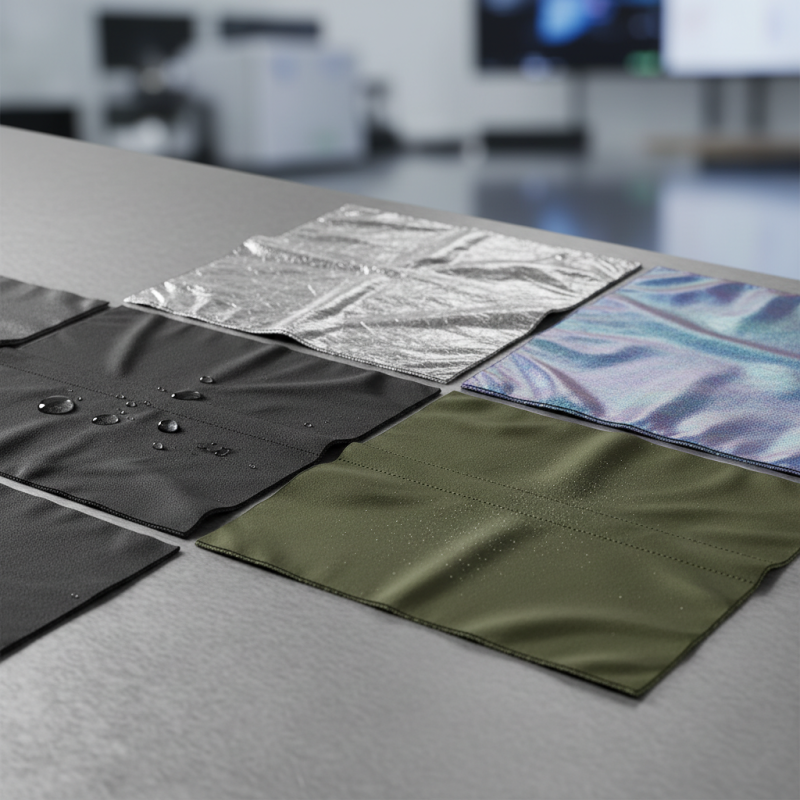
In the textile industry, top coating technologies are revolutionizing fabric performance. These coatings enhance water resistance, UV protection, and durability. For manufacturers, these attributes can significantly extend the product lifespan. High-performance textiles are in demand across various sectors, including apparel and outdoor gear. Moisture management and breathability are crucial for user comfort.
Different techniques exist to achieve these outcomes. Foam coating is one popular method that creates a soft, flexible finish. It helps in maintaining the fabric's breathability while providing a protective layer. Another method, chemical coatings, offers a unique balance of strength and softness. However, selecting the right system can be challenging. It requires knowledge of material interactions and performance expectations.
Furthermore, environmental considerations are rising in importance. Some coatings may not align with sustainability goals. Manufacturers are now seeking eco-friendly options that do not compromise quality. The quest for enhanced performance in textiles is ongoing. Innovation is necessary but also complex. Balancing technical requirements with environmental responsibility poses a significant challenge.
Top Coating Technologies in Textile Industry for Enhanced Performance
Key Benefits of Top Coatings in Textile Applications: A Data-Driven Perspective
In the textile industry, top coatings have become essential. They enhance durability, water resistance, and stain repellence. Recent studies indicate that textiles treated with advanced coatings can last up to 30% longer than untreated materials. This can significantly reduce replacement costs for businesses.
Data from industry reports show that markets for functional fabrics are expected to grow at a compound annual growth rate (CAGR) of 8.6% through 2025. This growth reflects the increasing demand for high-performance textiles. Notably, 75% of manufacturers now use some form of coating in their production processes. However, this trend raises questions about environmental impacts and the sustainability of certain chemical treatments.
Coatings can improve user experience by making fabrics easier to clean and maintain. A study found that coated fabrics required 50% less water for cleaning compared to uncoated ones. Yet, the specific composition of these coatings often lacks transparency. Many customers desire safer, eco-friendly alternatives, pushing companies to rethink their strategies. Industry standards are evolving, but there's still a need for better practices in coating selection.
Comparative Analysis of Various Top Coating Materials and Their Properties
When considering top coating textile solutions, understanding various materials and their properties is crucial. Coatings like polyurethane and silicone are popular due to their durability and water resistance. According to a recent industry report, polyurethane coatings can enhance fabric tensile strength by up to 30%. These coatings provide excellent abrasion resistance and UV protection, making them ideal for outdoor applications.
However, factors such as environmental impact and breathability also warrant attention. Silicone coatings, while offering flexibility and thermal resistance, may not provide the best breathability. Some studies suggest that breathability can drop by 40% with certain silicone coatings. This can lead to discomfort in garments, risking customer satisfaction.
In addition, each coating comes with trade-offs. The choice should align with specific business needs. Businesses need to evaluate their priorities carefully. Balancing durability with comfort is paramount. As the textile industry evolves, ongoing innovation will likely provide better solutions. However, the need for rigorous testing remains.
Market Trends: Growth Projections for Top Coating Solutions in Textiles
The textile industry is witnessing notable growth, especially in top coating solutions. Market projections indicate a robust demand for these innovative technologies. As businesses seek enhanced durability and functionality in fabrics, investing in advanced coatings becomes crucial.
The increasing focus on sustainability also shapes the market. Companies strive to use eco-friendly materials while maintaining performance. Some products may not meet all eco-standards, leaving room for improvement. Consumers demand transparency, pushing manufacturers to provide reliable information regarding their processes.
Additionally, the competition among textile manufacturers is fierce. Many are exploring various coating technologies, including water repellency and UV protection. However, some solutions can compromise breathability or comfort. Businesses must weigh the benefits against potential drawbacks to ensure they meet both consumer expectations and sustainability goals.
Top Coating Textile Solutions for Your Business Needs
| Solution Type | Market Share (%) | Growth Rate (CAGR, %) | Primary Application | Sustainability Rating |
| Water Repellent | 25 | 5.5 | Outdoor Apparel | Good |
| Flame Retardant | 20 | 4.2 | Workwear | Fair |
| Anti-Microbial | 15 | 6.1 | Sportswear | Excellent |
| UV Protection | 10 | 3.8 | Leisurewear | Good |
| Waterproof | 30 | 7.0 | Outerwear | Very Good |
Sustainability in Textile Coatings: Eco-Friendly Options for Businesses
Sustainability is no longer a trend; it’s a necessity. Sustainable textile coatings focus on eco-friendly materials. These options reduce environmental impact and resource consumption. Businesses must consider the lifecycle of products. Understanding the source of materials helps in making informed choices.
Eco-friendly coatings often use water-based solutions. These alternatives minimize harmful emissions during application. They provide safety for both workers and consumers. Many coatings can be biodegradable or recyclable. This adds value to products by appealing to environmentally conscious consumers.
Yet, not all sustainable options are perfect. Some eco-friendly materials might lack durability. Businesses must balance sustainability with performance. Continuous innovation in this field is essential. Engaging with suppliers is crucial to explore better solutions. The textile industry must adapt, reflecting on practices to enhance sustainability.