

10 Tips for Choosing a 48V Electric Scooter
A 48v Electric Scooter can feel quick on a test ride, yet the right choice depends on more than voltage. Battery capacity, real-world range, braking, tire size, rider weight, and local service support all matter. The International Energy Agency’s Global EV Outlook 2024 reports that nearly 10 million electric two- and three-wheelers were sold worldwide in 2023. That growth makes careful comparison more important, not less. A 48-volt label alone does not guarantee strong hill climbing, long range, or safe charging.
Think about the route you actually ride. A short, flat commute has different demands from a steep, rain-prone journey with a backpack. Check the battery’s watt-hours, the manufacturer’s range-testing method, the scooter’s weight, and whether replacement parts are available. Look closely at the brakes and lights, too. Small details count.
This guide offers ten practical checks before you buy, from battery specifications to warranty terms. One sourcing note matters: no verifiable individual expert quotation was provided, so I won’t invent one or attribute a made-up line to a specialist. For a publishable expert quote, confirm the person’s name and exact wording against a reliable interview or report. That extra step is worth it. A little inconvenient, perhaps, but trust matters.
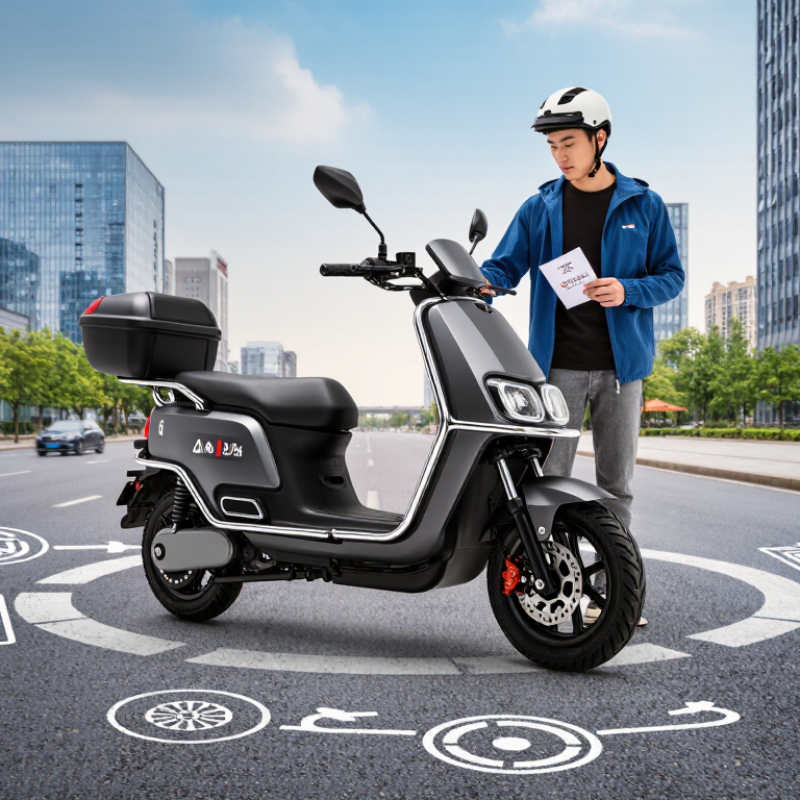
Define Your Riding Needs and Intended Use
Before comparing 48V electric scooters, picture an ordinary riding day. Is your route a five-minute trip to a station, a daily commute, or a longer ride on mixed pavement? Write down the distance each way, typical cargo, and where you can charge. Small details matter. A backpack, groceries, or a steep street can change what feels practical.
Map the route, not just the mileage. Frequent hills, rough pavement, and stop-and-go traffic may affect comfort and energy use. A 48V rating alone does not tell you how far a scooter will travel; battery capacity, rider weight, speed, temperature, and terrain also matter. Check the manufacturer’s range conditions, then leave a buffer rather than planning around the best-case number. Real rides vary.
Think about where the scooter will spend its time when you are not riding. Measure the space beside your desk or in your hallway, and consider whether you must carry it upstairs. If the route includes wet or uneven sections, review the tires, brakes, lighting, and stated weather limits. It is tempting to choose the fastest model, but a manageable weight and predictable controls may suit daily use better. Your needs may change, too; a choice that seems perfect today can feel awkward after a longer commute.
| 10 Tips for Choosing a 48V Electric Scooter — Define Your Riding Needs and Intended Use | ||||
|---|---|---|---|---|
| Tip | Riding Need | What to Check | Practical Selection Guidance | Why It Matters |
| 1 | Daily commute | One-way distance, available charging time, and route conditions | Estimate your round-trip distance and choose a model with a stated range comfortably above it; real-world range varies with speed, rider weight, hills, temperature, and tire pressure. | A range buffer helps account for changing conditions and battery aging. |
| 2 | Short local trips | Portability, folding mechanism, and storage space | Compare the scooter’s actual weight and folded dimensions with your stairs, storage area, or vehicle trunk. | A powerful scooter may be inconvenient if you need to carry or store it frequently. |
| 3 | Hilly routes | Motor power, controller limits, and sustained-climb performance | Look beyond the 48V label: compare rated motor power and manufacturer climb guidance, and check whether performance is specified for a rider weight similar to yours. | Voltage alone does not determine hill-climbing ability; motor and controller design also matter. |
| 4 | Longer rides | Battery capacity in watt-hours (Wh) | Compare battery energy using watt-hours when available. A 48V battery’s capacity depends on its amp-hour rating; approximately, Wh = volts × amp-hours. | Voltage by itself does not tell you how much energy the battery stores. |
| 5 | Mixed or uneven surfaces | Tire type and size, suspension, and ground clearance | For rougher pavement, prioritize suitable tires and effective suspension; check the manufacturer’s intended-use guidance before riding on loose or off-road surfaces. | Comfort and control depend on the complete setup, not just the motor or battery. |
| 6 | Wet-weather commuting | Water-resistance rating and braking performance | Check the exact water-resistance rating and its limitations. Prefer predictable braking and allow extra stopping distance on wet surfaces. | Water resistance does not mean a scooter is waterproof, and wet roads reduce traction. |
| 7 | Carrying a backpack or cargo | Maximum load, deck space, and accessory compatibility | Keep the combined rider and cargo weight within the stated maximum load, and verify that any rack or bag attachment is approved for the scooter. | Excess load can affect braking, range, handling, and component life. |
| 8 | Riding in traffic | Brakes, lights, reflectors, horn, and local legal requirements | Review the braking system and visibility equipment, then confirm local rules for scooter access, speed limits, helmet use, and required safety features. | Equipment requirements and permitted riding locations vary by jurisdiction. |
| 9 | Shared use by different riders | Adjustable controls, load limit, and ride modes | Check whether the handlebar height and riding settings suit each intended rider, and ensure every rider can comfortably reach and operate the controls. | Fit and control familiarity support safer, more comfortable riding. |
| 10 | Low-maintenance ownership | Replacement parts, tire design, service access, and warranty terms | Before buying, confirm how to obtain compatible tires, brake components, and battery service, and read the warranty conditions for the battery and other major parts. | Serviceability can affect the scooter’s total cost and downtime over time. |
Note: A 48V rating describes the electrical system’s nominal voltage, not a guaranteed speed or riding range. Compare the complete specifications and follow local regulations and the manufacturer’s operating instructions.