Top 5 Tips for Choosing an Inverter IGBT Welder?
Choosing the right Inverter IGBT Welder can be a daunting task. Many factors come into play when selecting a model that suits your needs. With numerous options available, it's easy to feel overwhelmed. The importance of making an informed decision cannot be understated. A good welder can enhance your projects, while a poor choice might lead to frustration.
Expertise in this area is essential. Knowing what features to prioritize helps streamline the selection process. Pay attention to the welder’s duty cycle, power output, and portability. These aspects directly affect your welding experience. Each detail can make a significant difference in your work efficiency and results. Additionally, reading reviews from professionals can provide insights into performance and reliability.
It's important to reflect on your own needs. Not every Inverter IGBT Welder will fit every user. Take time to evaluate your welding tasks. Consider the materials you will work with and the environments. This ensures you select a welder that meets specific demands. Ultimately, being mindful about your choice pays off in enhanced quality and satisfaction in your projects.
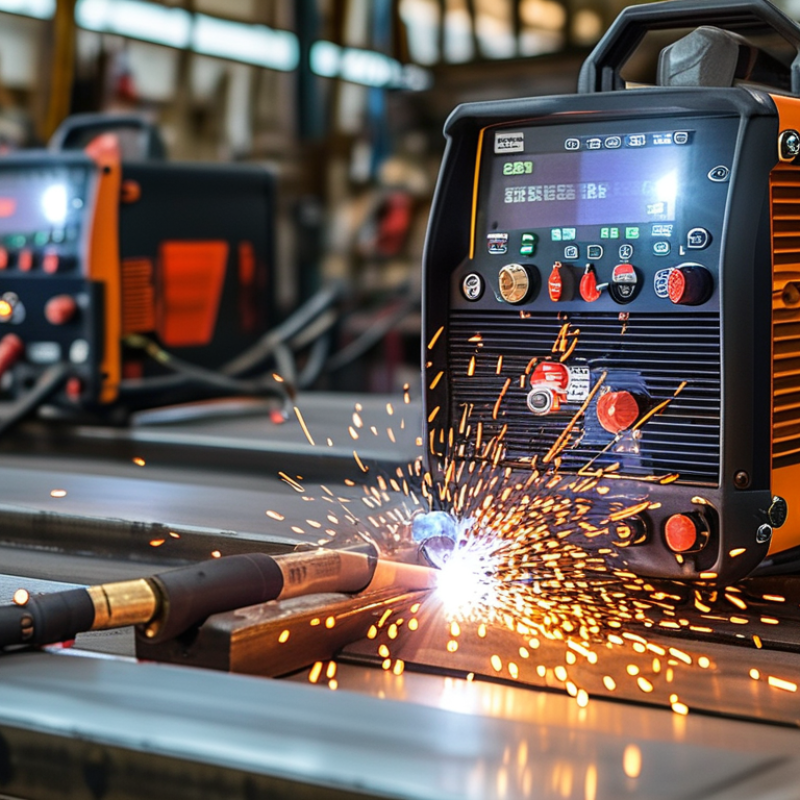
Understanding the Basics of Inverter IGBT Welders
Inverter IGBT welders are increasingly popular due to their efficiency and versatility. Understanding their fundamentals is crucial for making informed decisions. An inverter welder uses an insulated gate bipolar transistor (IGBT) to maintain the welding current. This technology allows for precise control and improved performance compared to traditional welders.
When choosing an inverter IGBT welder, consider its power output. Higher amperage can handle thicker materials. However, too much power on thin metals may cause burns. Review the welder’s duty cycle, as this indicates how long it can operate before needing a break. A welder with a lower duty cycle may struggle during extended projects.
Another important factor is weight and portability. Some models are lightweight and easy to transport, while others are bulkier. If mobility is a priority, select a compact design. Pay attention to the features as well. Options like adjustable voltage can enhance your welding experience and adapt to various tasks. Balancing power and usability is essential for your specific needs.
Key Features to Consider in an Inverter IGBT Welder
When selecting an inverter IGBT welder, certain key features demand your attention. First, consider the welder's duty cycle. This specification indicates how long the welder can operate before it needs to cool down. A higher duty cycle allows for longer welding periods, which is crucial for extensive projects. Pay close attention to this feature to avoid interruptions during critical tasks.
Next, examine the amperage range. A versatile amperage range enables the welder to tackle diverse materials and thicknesses. This flexibility is particularly important for both beginners and experienced users. You might find the lower range useful for thin materials while needing higher settings for thicker sheets. Therefore, ensure the model you choose accommodates both ends of this spectrum.
Lastly, evaluate the ease of use. Controls should be intuitive, especially if you're new to welding. A welder that is difficult to operate can lead to mistakes and frustration. Look for models with clear displays and manageable settings. Mistakes happen, and it's vital to minimize the learning curve to enhance your skills quickly. A reliable brand may offer extra support, but individual experience often guides the best choice.
Assessing the Power Rating and Duty Cycle
When choosing an inverter IGBT welder, assessing the power rating and duty cycle is crucial. The power rating, measured in watts or amps, determines the welder's capabilities. A unit with a higher power rating can support thicker materials and more extensive projects. According to industry data, most welders range from 130 to 300 amps. For heavy-duty tasks, a welder rated above 200 amps is often recommended.
The duty cycle indicates how long the welder can operate before it requires cooling. Commonly expressed as a percentage, a 60% duty cycle means the device can weld for six minutes out of ten. Research shows that a higher duty cycle correlates with better performance in continuous use situations. Many professionals prefer models with a duty cycle of at least 70% for more efficient work.
Evaluating these specifications is essential. Remember to consider your specific needs. Prioritize welders that match your power requirements and tasks. A balance of power rating and duty cycle can lead to better efficiency and longevity in welding projects. Look for options that offer a solid warranty or support, which can add peace of mind to your purchase decision. Make informed choices by analyzing user feedback and technical reviews to ensure you select an optimal welder for your work.
Top 5 Tips for Choosing an Inverter IGBT Welder
| Feature | Description | Example Value |
| Power Rating | The maximum electrical power output of the welder. | 200 Amps |
| Duty Cycle | The time duration the welder can operate continuously before needing to cool down. | 60% at 200A |
| Voltage Input | The input voltage required for operation. | 230V |
| Weight | The total weight of the welder. | 20 kg |
| Portability | The ease of transporting the welder. | Hand carry design |
Evaluating Portability and Weight for Practical Use
When choosing an inverter IGBT welder, portability and weight are key factors. Heavy machines can hinder movement. According to industry studies, a unit weighing around 35-50 pounds is considered manageable for most users. This weight range allows for easier transport between job sites.
Design plays a critical role in portability. Compact welders are typically easier to handle. Some models feature built-in handles or wheels. In a recent survey, over 60% of welders reported that ease of transport was a top priority. A welder that can easily fit in the trunk of a vehicle offers practical benefits.
Despite improvements in technology, many welders still struggle with weight distribution. Some may be lightweight, but lacking robustness. Users must balance durability against ease of transport. Remember to consider how often you'll move the unit. If frequent relocation is required, heavier models may become burdensome. Always reflect on your specific needs before making a choice.
Top 5 Tips for Choosing an Inverter IGBT Welder
This chart illustrates the importance of various factors to consider when selecting an inverter IGBT welder, focusing on portability and weight.
Reading Reviews and Brand Reputation in the Market
When considering an inverter IGBT welder, diving into reviews is crucial. User feedback reveals common strengths and weaknesses. By examining multiple sources, you gain a clearer picture. Look for patterns in performance and reliability. This approach helps identify models that excel in your specific needs.
Brand reputation also plays a significant role. Established brands often invest in quality control and customer service. However, newer brands may offer innovation at competitive prices. Don't overlook these emerging options. Analyze their customer feedback thoroughly. Sometimes, newer enterprises surprise with superior technology or features. Examine affiliations, warranties, and certifications too. This can indicate the brand's commitment to quality and safety.
Don't forget to consider your unique requirements. A welder that works for one project may not suit another. Reflect on user experiences that relate closely to your intended use. Pay attention to issues reported by others. They highlight potential pitfalls or overlooked features. Choose wisely to ensure your investment meets your expectations long-term.