Top 10 Diesel Light Towers for Global Buyers in 2026
As the demand for reliable and efficient lighting solutions continues to rise, the Diesel Light Tower stands out in various sectors. These robust machines provide exceptional illumination for construction sites, outdoor events, and emergency services. With advancements in technology and design, the Diesel Light Tower market is evolving rapidly.
In 2026, global buyers will seek top-tier models that offer durability and cost-effectiveness. Understanding the features that define a quality Diesel Light Tower is crucial for making informed purchasing decisions. Factors such as fuel efficiency, light output, and portability should be considered.
However, choosing the right light tower can be challenging. Many buyers may overlook essential specifications or fail to recognize the significance of maintenance requirements. The array of options on the market further complicates informed choices, making it necessary for buyers to rely on authoritative evaluations and expert recommendations.
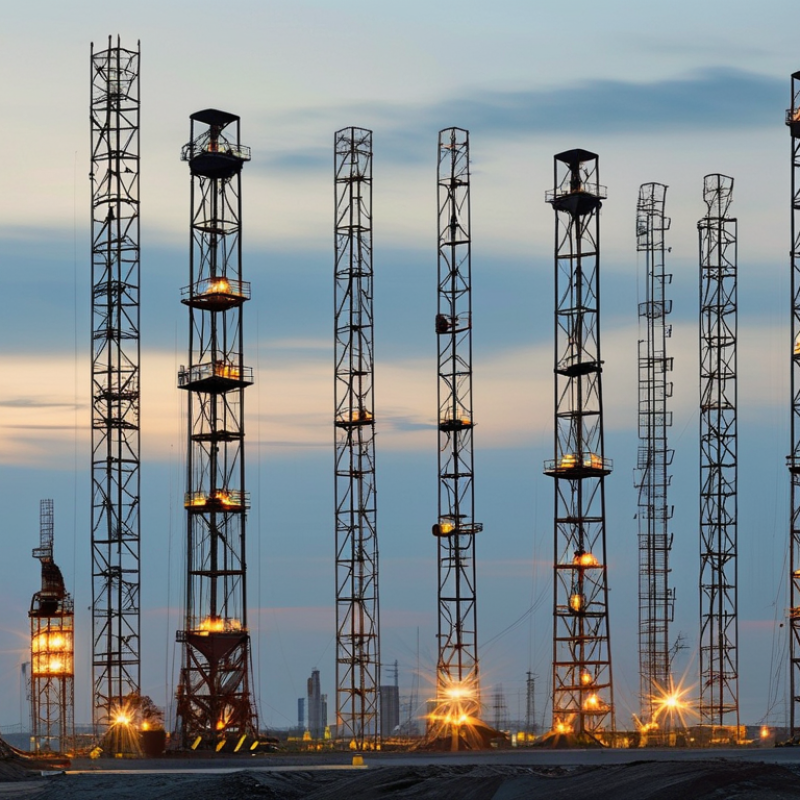
Top 10 Diesel Light Towers for Global Buyers in 2026
In 2026, diesel light towers are set to become essential for various industries. With the global market for lighting equipment projected to reach $7 billion, the demand for energy-efficient solutions is rising. The construction and event sectors are particularly driving this demand. Diesel light towers provide reliable illumination in remote areas, where electricity supply is limited.
When selecting a diesel light tower, consider the fuel consumption rate. Reports indicate that fuel-efficient models can reduce operational costs by up to 30%. Choosing the right height and lumens is crucial for optimal performance. It's easy to overlook specifics like wind resistance and mobility features, yet they can significantly impact usability on the job site.
Tips: Always assess the terrain where the light tower will be used. A durable base can enhance stability. Also, ensure that the light tower meets emission standards, aiming for lower environmental impact. Investing time in research will pay off in enhanced productivity. Expect to encounter variations in power output among units—don’t settle for just one option without comparing.
Key Features to Consider When Choosing Diesel Light Towers
When selecting a diesel light tower, several key features merit attention. Portability is vital for quick setup and relocation at various sites. A weight-efficient design facilitates easy transport, while sturdy frames ensure durability. Evaluating the height of the mast is essential, as it impacts light distribution over wide areas. Ideally, towers should offer adjustable heights to adapt to different conditions.
Another crucial aspect is fuel efficiency. A model with lower fuel consumption can significantly reduce operating costs. Additionally, a longer runtime between refuelings enhances productivity, especially in remote locations. Consider the illumination specifications next. LED lights are energy-efficient and provide brighter light. The lumen output should match the project's specific needs for adequate visibility.
Lastly, it's worth reflecting on maintenance considerations. Some machines require frequent servicing, which can be a hassle. Check for user-friendly features, such as easy access to filters and engines. Models with integrated fuel gauges can help avoid unexpected downtime. Choosing the right diesel light tower isn't just about initial features; it also involves ongoing reliability and ease of use. Buyers must balance these aspects to make an informed decision.
Analysis of Market Trends for Diesel Light Towers in 2026
The diesel light tower market is evolving rapidly. By 2026, demand is projected to grow by 6.5% annually. Key drivers include construction growth, outdoor events, and emergency services. The trend indicates a shift toward more efficient and environmentally friendly options. Reports from industry experts highlight that users increasingly prefer models with lower emissions.
Adoption of LED technology is rising. Its energy efficiency reduces operational costs. Additionally, enhanced portability features are becoming essential. Buyers are seeking units that are easy to transport and set up. Data shows that over 50% of buyers prioritize these attributes.
Tips: Consider your specific lighting needs based on application. Portable models may be more suitable for events. Evaluate fuel efficiency and maintenance costs. Future models may offer integrated smart technology, making them more versatile. Investors should also watch upcoming regulations that could influence market direction.
Top 10 Diesel Light Towers Market Share in 2026
Comparative Review of Leading Diesel Light Tower Brands
As the demand for portable lighting solutions grows, diesel light towers stand out in many industries. These towers provide robust illumination for construction sites, outdoor events, and emergency situations. According to industry reports, the global diesel light tower market is projected to reach $2 billion by 2026. This growth reflects a shift towards enhanced efficiency and energy solutions.
Evaluating various diesel light tower brands reveals distinct features that cater to specific needs. Efficiency ratings vary widely, with some towers offering fuel consumption as low as 0.5 liters per hour. This efficiency, combined with a runtime of up to 100 hours on a full tank, makes them appealing for long-term projects. However, some models can be heavy and cumbersome, complicating transportation. Assessing different options requires careful consideration of power output and portability.
Moreover, user feedback indicates a desire for improved adaptability. Many users wish for models that can easily adjust light intensity or direction. Durability also remains a concern; some units struggle in harsh weather conditions. Addressing these issues is crucial for manufacturers attempting to meet customer expectations in an evolving market.
Maintenance and Operational Tips for Diesel Light Towers
When operating diesel light towers, routine maintenance is essential. Proper care can extend the lifespan and improve efficiency. Check the oil levels regularly. Insufficient oil can damage the engine. Replace the oil filters according to the manufacturer's guidelines. Clean air filters frequently to ensure optimal performance. These steps prevent common operational issues.
Fuel quality matters. Contaminated fuel leads to system failures. Use quality fuel and store it properly. Regularly inspect the fuel system for leaks. This can save significant costs in repairs and downtime. Keep the tower clean to avoid dust buildup. Dust can affect light output and cooling efficiency.
Be aware that improper usage can lead to failures. Overloading the tower may strain the engine. Follow the load capacity guidelines strictly. Listen for unusual sounds during operation. This can indicate deeper issues. Regular inspections help catch problems early. Taking these precautions can enhance performance and reliability.