

A Mouthpiece Adapter may look like a small connector, but its dimensions can decide whether a larger assembly fits and performs as expected. For global buyers, supplier selection involves more than comparing prices. Material consistency, machining quality, documentation, and clear communication all matter. A useful benchmark is repeatability: can the supplier deliver the same fit across multiple orders? Small differences can create real delays.
In this editorial, fictional product-engineering adviser Lena Ortiz offers an illustrative reminder: “A reliable adapter is measured by the fit it maintains, not just the finish it shows.” This is a guiding principle, not a documented quotation from a real person. Buyers can use it when reviewing the top 10 suppliers, requesting drawings, samples, and written specifications. Check dimensions, connection types, material details, and inspection procedures. Ask how changes are recorded. Vague answers deserve a follow-up.
The comparison should also consider production capacity, lead times, export experience, and after-sales support. A low quote may exclude testing, packaging, or custom tolerances. Read the fine print. No supplier is perfect. Even a capable manufacturer may have limited flexibility during busy periods, so verify current capabilities before placing an order. The guide that follows aims to help buyers ask sharper questions and compare suppliers on evidence, not polished claims. Some details may still need direct confirmation; that is a limitation worth acknowledging.
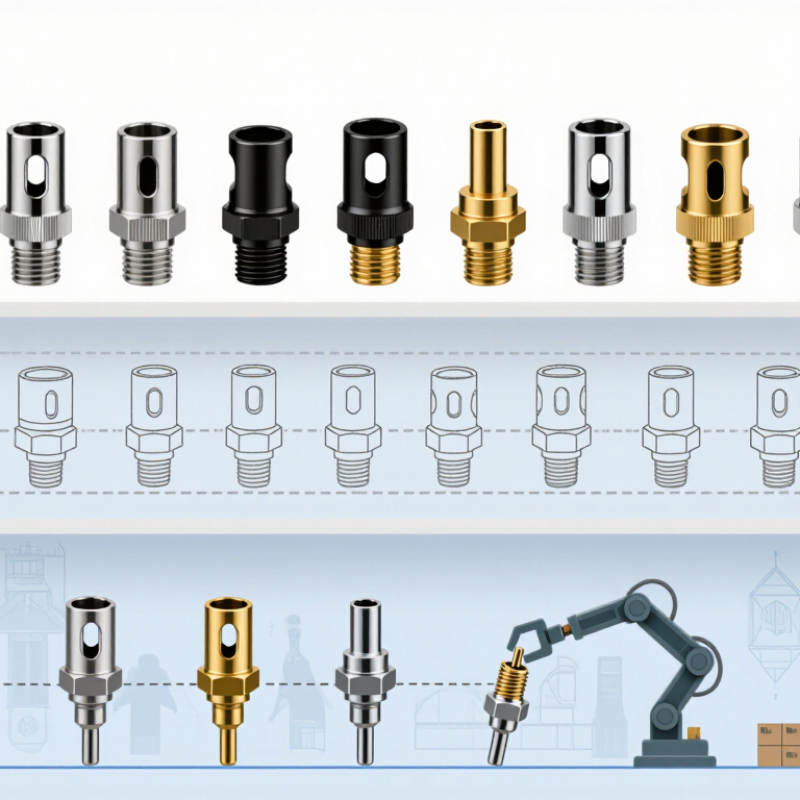
A mouthpiece adapter is a compact connector that joins a mouthpiece to an instrument or test fixture when their dimensions differ. In brass playing, it can let musicians use a familiar mouthpiece with another compatible instrument. Small changes matter. A loose fit may leak air, while a forced connection can damage threads or alter the playing feel. Adapters are also used in instrument repair, classrooms, and acoustic testing, where repeatable connections support useful comparisons.
Choosing one takes more than matching an instrument name. Check the inlet and outlet dimensions, connection style, insertion depth, and material, then confirm the stated fit specifications. A caliper can verify a diameter, but it cannot reveal every taper or internal contour. That detail is easy to miss. Smooth edges and corrosion-resistant materials can simplify cleaning and reduce wear. A teacher might keep several sizes for student instruments; a repair technician may need one precise conversion for a single job. Fit can still feel different, even when measurements agree. Testing the adapter with the actual mouthpiece and instrument is a sensible final check. Suppliers should provide clear drawings and tolerances, not just broad compatibility claims.
A reliable mouthpiece adapter supplier should provide clear specifications, consistent production, and practical support. Ask about material grades, dimensional tolerances, and how each batch is inspected. A sample can reveal details that a catalog misses, such as rough edges, loose connections, or awkward handling. Fit matters. Test the adapter with the intended components, not just a supplier’s demonstration piece.
Request drawings and inspection records, then compare them with your requirements. Check whether contact surfaces are smooth and whether the connection remains stable after repeated assembly. Ask for proof. Useful documentation should identify materials, revision levels, and any relevant quality controls. If answers are vague, request a written clarification before placing an order. A checklist cannot predict every fit issue; hands-on testing still matters.
Production capacity and communication deserve equal attention. Confirm typical lead times, minimum order quantities, packaging methods, and how design changes are handled. Ask how the supplier manages defects and replacement parts. A low quotation may leave out inspection or shipping costs, so compare complete offers. Small details count. Replies that arrive late during sampling may signal slower support later, though one delay alone proves little. Keep notes from each discussion, and record what was tested.
Supplier evaluation framework for comparing potential manufacturers. Use the same specifications and verification methods for every candidate.
| Evaluation Factor | What to Check | Useful Evidence |
|---|---|---|
| 1. Product Compatibility | Confirm the adapter fits the intended mouthpiece, instrument, or connected component. Check interface type, mating dimensions, and any required airflow or connection specifications. | Dimensioned drawings, compatibility list, sample-fit results, and written confirmation against the buyer’s reference part. |
| 2. Dimensional Accuracy | Review critical dimensions, tolerances, concentricity, and repeatability. Agree on measurement methods and acceptance limits before production. | Inspection reports with measured values, calibrated measuring-equipment records, and approved first-article samples. |
| 3. Material Suitability | Check that the material is appropriate for the product’s intended use, cleaning conditions, temperature range, and applicable market requirements. | Material specifications, certificates or test reports where applicable, and traceability details for supplied material. |
| 4. Manufacturing Capability | Assess whether the supplier’s processes can produce the required geometry, surface finish, and production volume consistently. | Process overview, equipment list, sample parts, process-control records, and a documented production-capacity estimate. |
| 5. Quality Management | Evaluate incoming-material checks, in-process controls, final inspection, nonconformance handling, and corrective-action practices. | Quality procedures, inspection plans, sample inspection records, and current certification documentation if claimed. |
| 6. Surface Finish and Cleanability | Specify the required surface condition and check for burrs, sharp edges, residue, or other defects that could affect assembly, handling, or cleaning. | Approved finish samples, visual-inspection criteria, and cleaning or finishing process details relevant to the application. |
| 7. Customization and Engineering Support | Determine whether the supplier can review drawings, recommend design adjustments, produce prototypes, and manage revisions under document control. | Prototype plan, engineering response process, drawing-revision records, and a sample design review. |
| 8. Lead Time and Order Flexibility | Clarify sample, production, and replenishment lead times, along with minimum order quantities and the supplier’s approach to schedule changes. | Written quotations, production schedule assumptions, order terms, and on-time delivery records where available. |
| 9. Packaging and Traceability | Check whether packaging protects parts from damage or contamination during handling and transit, and whether batches can be identified when needed. | Packaging specification, sample packaging, lot-identification method, and batch records appropriate to the product. |
| 10. Export and Communication Readiness | Confirm the supplier can support the destination market’s agreed shipping documents, communicate in the buyer’s working language, and promptly clarify technical or order issues. | Sample export-document set, named points of contact, response-time expectations, and clearly stated shipping terms. |
This table presents evaluation criteria, not a ranking or verified profile of specific suppliers. Confirm requirements, certificates, performance records, and commercial terms directly with each supplier before placing an order.
Global buyers should compare mouthpiece adapter suppliers by fit, material control, and production consistency, not catalogue breadth alone. The WHO Global Atlas of Medical Devices (2017) describes more than 1.5 million types of medical devices worldwide. That diversity makes interface compatibility important. Ask for dimensioned drawings, tolerance ranges, material specifications, and test records. A sample should fit the intended tubing or instrument without wobble, sharp edges, or excessive insertion force. Small details matter.
Supplier capacity needs evidence. Request recent inspection data, batch traceability examples, and the scope of any quality-system certification. ISO 13485 can indicate a documented medical-device quality system, but its certificate scope still needs checking. Grand View Research valued the global medical devices market at USD 512.29 billion in 2022 and projected continued growth through 2030. This broad market figure is not a forecast for adapters, but it underscores the need for dependable supply planning. Ask how suppliers manage tooling changes, reject rates, and lead-time variation. Get answers in writing.
Compare sample approval timelines and minimum order quantities alongside unit price. For a molded adapter, inspect the sealing surface under good light; a faint seam can affect fit. Test several samples, not just one. A polished catalogue can still hide a loose connection. I would also check whether the supplier can explain a failed test plainly. That conversation may reveal more than a sales sheet.
Profiles of ten supplier types reveal different strengths in mouthpiece adapter sourcing. Precision molders can produce consistent plastic fittings, while silicone specialists suit soft-touch seals. CNC machine shops handle low-volume metal prototypes. Respiratory-component manufacturers may offer established connector testing. Contract manufacturers combine molding and assembly. Cleanroom assemblers document controlled production, but buyers should verify what their process actually covers. Custom prototyping firms speed early design changes. Regional distributors can simplify repeat orders and local support. Export-focused wholesalers offer broad catalogs, though stock may vary. Validation-led suppliers provide traceability and inspection records.
A polished catalog proves little.
The World Health Organization’s Global Atlas of Medical Devices (2017) describes roughly 1.5 million device types across about 10,000 generic groups. That scale makes precise specifications essential, even for a small adapter. For respiratory connections, ISO 5356-1:2015 defines dimensions and requirements for conical connectors; request evidence of relevant testing rather than assuming compatibility.
Compare bore diameter, material, cleaning instructions, and fit against the intended equipment. Ask each supplier for drawings, batch records, sample parts, and lead-time ranges. Small differences matter. I would also check whether quoted tolerances hold across production batches; a sample alone cannot prove that.
International orders for mouthpiece adapters need more than a low unit price. Ask suppliers for dimensional drawings, material descriptions, and production tolerances. A difference of a few millimeters can affect fit, so confirm measurements against your equipment before approving a large run. Request a pre-shipment sample when possible. Check the finish, connection, and packaging in person.
Compliance requirements vary by destination and intended use. Confirm which product documents, material declarations, and shipping records local authorities or your buyer may require. Do not assume one certificate covers every market. Ask how batches are identified and whether records can be matched to the shipment. A supplier’s specification sheet may look complete, yet one tolerance can be missing. Details matter. Allow time to clarify unclear fields before production starts.
Tips: Put dimensions, materials, labeling, and inspection criteria in the purchase order. Keep records. Check that invoice descriptions match the goods, and verify the importer’s documentation needs before dispatch. Small gaps happen; a written checklist helps catch them early.

