Top 10 Textile Machine Parts Suppliers in China for Global Buyers?
The textile machine parts industry is vital for global manufacturing. China has become a hub for quality suppliers. With technology advancing rapidly, manufacturers seek reliable and efficient components. The right textile machine parts can significantly impact production efficiency and product quality.
As we explore the top suppliers in China, it’s essential to consider various factors, like innovation, reliability, and customer service. Many suppliers offer competitive pricing but may vary in their service levels. Quality control is paramount; not all suppliers maintain the same standards.
Understanding the landscape is necessary for global buyers. Knowing which companies excel in specific parts can save time and resources. However, evaluating each supplier's experience and reputation can prove challenging. While this list highlights top players, continual assessment and reflection on their performance are crucial for ensuring long-term partnerships.
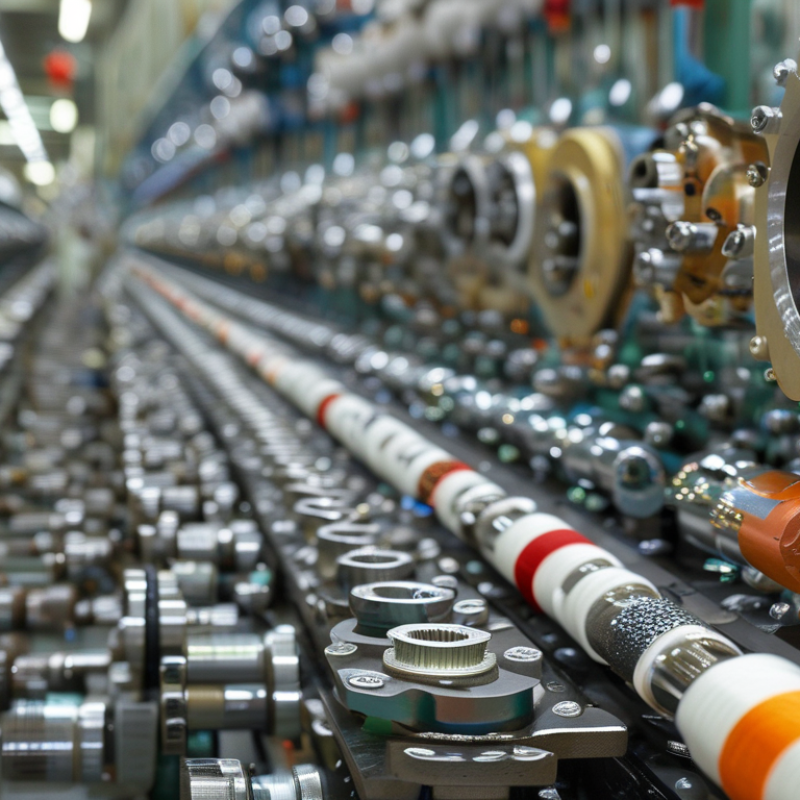
Overview of the Textile Machinery Industry in China
The textile machinery industry in China has seen remarkable growth in recent years. As of 2022, the industry generated revenue exceeding $45 billion. China is the largest manufacturer of textile machinery, supplying around 80% of global demand. This dominance is largely due to ongoing technological advancements and a robust supply chain.
Manufacturers in China offer a wide range of machinery components. Spinning, weaving, and finishing equipment are in high demand. The country invests heavily in research and development, enhancing efficiency and sustainability. Reports suggest that over 75% of textile factories now prioritize energy-efficient machinery. This shift not only benefits the environment but also reduces operational costs.
Despite its strengths, the industry faces challenges. Quality control remains a critical issue, with some manufacturers lacking rigorous standards. Additionally, the global market's ever-changing demands can create uncertainties. The reliance on exports also exposes vulnerabilities to international trade fluctuations. Addressing these issues will be essential for sustained growth and global competitiveness.
Key Factors to Consider When Choosing Suppliers
When selecting textile machine parts suppliers in China, several key factors should be considered. Reliability is paramount. Examine the supplier's track record and customer reviews. Look for a history of on-time deliveries and quality assurance. What experiences have previous customers shared? These insights are invaluable. They reveal not just capabilities, but true reliability.
Expertise and technical knowledge are also crucial. Suppliers should demonstrate a deep understanding of textile machinery. They must be able to answer technical questions swiftly and accurately. Evaluate their staff's qualifications. Do they have engineers or specialists on hand? This level of expertise can significantly impact your purchasing decisions.
Price remains an essential aspect, but don't let it overshadow quality. The cheapest option may lead to headaches down the road. Consider the overall value. Are the materials used durable? Will the parts withstand your production demands? Reflect on these questions carefully. The right supplier should offer a balanced combination of cost and quality, ensuring long-term satisfaction in your textile operations.
Top 10 Textile Machine Parts Suppliers and Their Specialties
China has established itself as a dominant player in the global textile machine parts industry. With significant investments in technology, many suppliers excel in various specialties. Current reports state that textile machinery exports reached approximately $2 billion in 2022, highlighting the robust global demand for innovative parts.
One notable area is spinning machinery. Suppliers in China provide a range of components, from spindles to bobbins, that enhance efficiency. However, the challenge remains in maintaining consistent quality across different suppliers. Data shows that around 30% of buyers report varying levels of satisfaction regarding product durability. This indicates a need for buyers to conduct thorough research and possibly start pilot orders before committing to larger purchases.
Another specialty lies in weaving machine parts. These components, essential for creating fabric, require precision engineering. While many suppliers claim to meet international standards, discrepancies in production quality are common. Statistics reveal that nearly 25% of defects arise during manufacturing processes, which can lead to significant setbacks for manufacturers relying on these parts. Careful selection and quality control measures are crucial for success.
Top 10 Textile Machine Parts Suppliers - Specialties and Production Volume
Evaluation of Supplier Quality and Reputation
When evaluating textile machine parts suppliers in China, quality and reputation become paramount. Buyers need to assess various factors to ensure they choose the right partners. Supplier certifications are essential indicators of reliability. Look for those that have passed international quality standards.
Furthermore, the supplier's experience in the industry often plays a crucial role. An established company has usually built strong relationships with clients. Yet, it's vital not to overlook newer suppliers. They may bring innovative solutions and competitive pricing to the table. Researching customer reviews can help gauge performance and satisfaction levels.
Additionally, consider the supplier's responsiveness. Timely communication is a sign of professionalism. However, some suppliers may fall short here, leading to frustration. Always prioritize those who demonstrate clear and proactive communication. This diligence can prevent future misunderstandings and ensure smoother transactions.
Top 10 Textile Machine Parts Suppliers in China for Global Buyers
| Supplier Location | Main Product Type | Annual Revenue (USD) | Years in Business | Customer Satisfaction Rating |
| Shanghai | Textile Weaving Looms | 10,000,000 | 15 | 4.5/5 |
| Guangzhou | Knitting Machines | 8,500,000 | 10 | 4.3/5 |
| Shenzhen | Embroidery Machines | 12,000,000 | 20 | 4.7/5 |
| Hangzhou | Textile Printing Machines | 9,000,000 | 12 | 4.1/5 |
| Tianjin | Spinning Machines | 15,000,000 | 25 | 4.6/5 |
| Ningbo | Filling Machines | 7,500,000 | 8 | 4.0/5 |
| Wenzhou | Textile Finishing Machines | 11,000,000 | 18 | 4.4/5 |
| Dalian | Sewing Machines | 13,000,000 | 30 | 4.8/5 |
| Suzhou | Textile Machinery Components | 6,000,000 | 5 | 4.2/5 |
| Xi'an | Nonwoven Fabric Machines | 10,000,000 | 7 | 3.9/5 |
Future Trends in Textile Machinery Supply Chain Management
The textile machinery supply chain is evolving rapidly. Companies are increasingly focusing on sustainability. This shift impacts sourcing and production methods. Many suppliers are adopting eco-friendly practices. Reducing waste is now a priority. This trend demands new technology and materials.
Efficient supply chain management is crucial. It helps minimize delays and ensures quality. Real-time data analysis is becoming common. This technology allows for better decision-making. Communication between suppliers and manufacturers is essential. It's vital to address issues quickly.
Tips: Consider building relationships with local suppliers. This can reduce transportation costs. Also, invest in software that offers supply chain visibility. It aids in tracking shipments and inventory. Stay updated on industry trends to make informed choices. Adapting to changes can create opportunities. Flexibility in operations can enhance competitiveness.