
How to Understand the Plastic Injection Moulding Process?

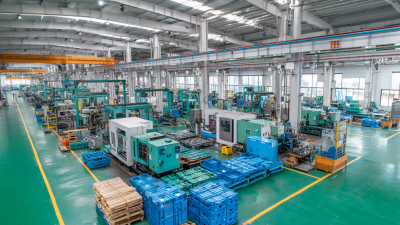
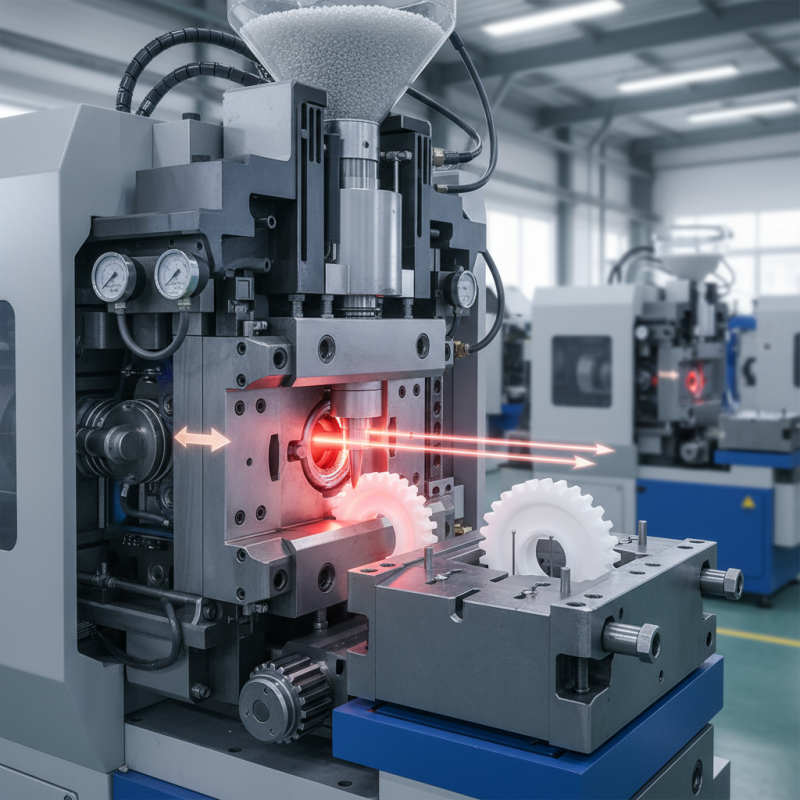
The plastic injection moulding process is a key technique in manufacturing. It allows for the mass production of various plastic parts with precision. This method involves injecting heated plastic into a mould, which then cools and solidifies into the desired shape.

Understanding this process can feel overwhelming. There are many technical aspects to consider. For instance, the temperature and pressure used during injection play critical roles. Lack of attention to detail might lead to defects. These could affect the final product’s quality.

Additionally, variations in material selection can impact outcomes. Not all plastics behave the same way during injection. Choosing the wrong type can lead to issues like warping or incomplete fills. Reflecting on these nuances is essential for anyone involved in plastic manufacturing.
How to Understand the Plastic Injection Moulding Process?

Overview of Plastic Injection Moulding Process
How to Understand the Plastic Injection Moulding Process?

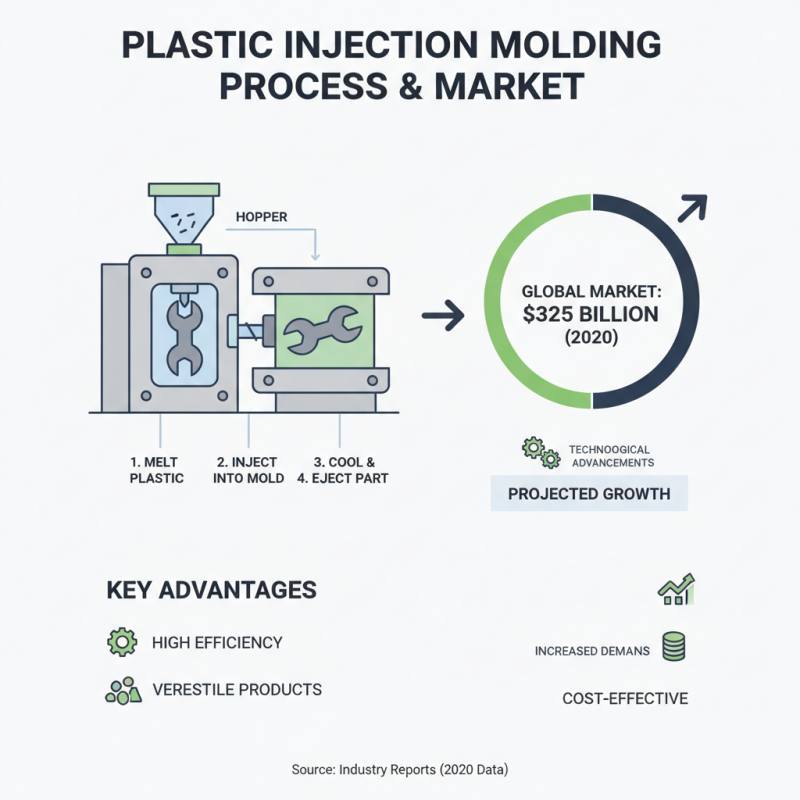
The plastic injection moulding process is a highly efficient manufacturing technique used to create a variety of products. It involves injecting molten plastic into a mould, where it cools and solidifies into the desired shape. According to industry reports, the global market for injection moulding reached approximately $325 billion in 2020. This figure is projected to grow, driven largely by advancements in technology and increased demand across various sectors.

Key components of the process include the injection unit and the clamping unit. The injection unit melts plastic granules and injects them under high pressure. The clamping unit holds the mould together during the injection phase. Interestingly, 95% of manufactured plastic parts originate from this process, underscoring its significance. However, one must consider the environmental impact and challenges in recycling these products.

Despite its advantages, the plastic injection moulding process has its drawbacks. Setting up and maintaining moulding machines can be costly and complex. Additionally, achieving consistent quality can be a challenge. Reports indicate that 30% of produced parts may not meet stringent quality standards, highlighting areas for improvement. Continuous innovation and more sustainable practices are essential for the industry to thrive in the coming years.
Key Components of Injection Moulding Machines

How to Understand the Plastic Injection Moulding Process?

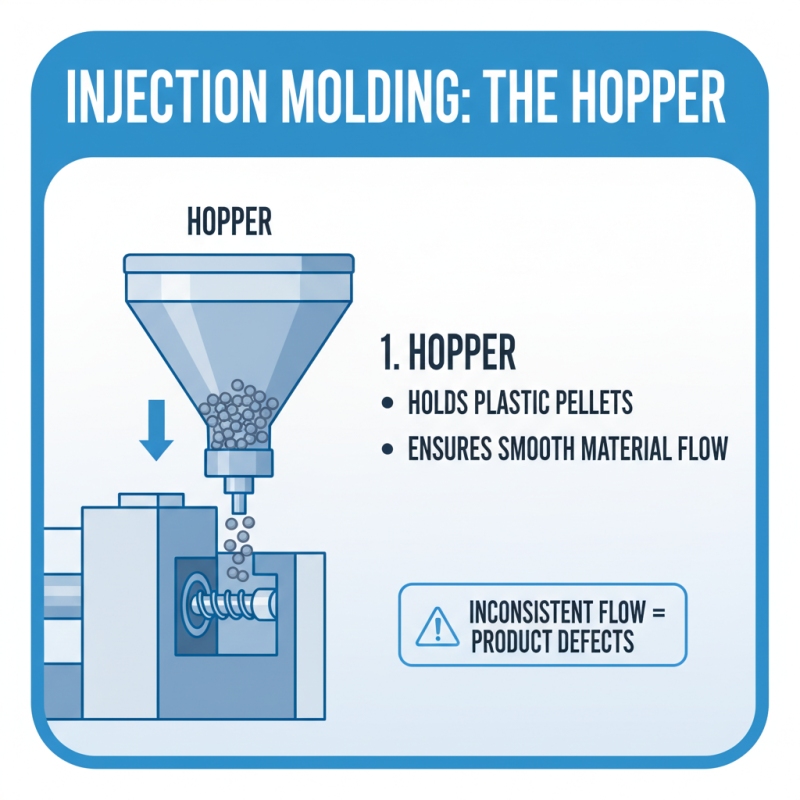
The injection moulding machine is vital in manufacturing. Understanding its key components can enhance the production process. The first important part is the hopper. It holds plastic pellets before they are fed into the machine. A well-designed hopper makes sure the pellets flow smoothly. If the flow is inconsistent, it can lead to defects in the final product.

Another essential component is the screw. It is responsible for melting the plastic and mixing it evenly. The screw rotates, allowing the pellets to heat up. When the screw's design isn't optimized, it may cause overheating or inadequate mixing. This leads to inconsistent products.

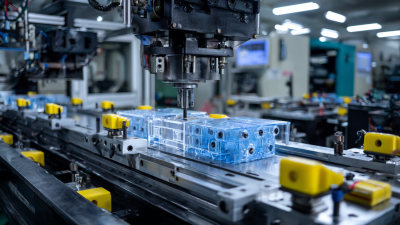
The injection unit injects the melted plastic into the mould. A precise injection process ensures the mould fills correctly. If the injection speed is off, it can cause air traps or incomplete fills. The cooling system follows, solidifying the plastic. If the cooling rate is too fast or slow, it can warp the final shape. Each component requires careful attention to achieve optimal results. Understanding these aspects can improve both efficiency and quality in production.

Step-by-Step Procedure of Plastic Injection Moulding

Plastic injection moulding is a critical manufacturing process. Understanding it can be quite complex. It involves multiple steps, each covering essential aspects of production.

The process starts with preparing the plastic material. Raw plastic pellets are fed into a hopper. They are then heated until they melt. This transformation is crucial. The molten plastic is injected into a mold. Here, it takes the shape of the desired product. Cooling follows, where the plastic solidifies. Timing is everything in this stage. If not cooled properly, the product can warp or deform.

After cooling, the mold opens, and the part is ejected. Some rework may be needed. Imperfections sometimes appear on the surface. Small adjustments in temperature or pressure might be necessary in future batches. Proper inspection is key to quality assurance. Understanding these nuances is vital for improving production efficiency. Each step presents opportunities for learning and refining the process.

Common Materials Used in Injection Moulding

Injection moulding is a widely used manufacturing process. It allows for the creation of complex shapes with precision. The choice of materials is crucial in this process. Different materials can impact the product’s performance and durability.

Common materials used in injection moulding include thermoplastics and thermosetting plastics. Thermoplastics can be softened and reshaped with heat. They are ideal for various applications. Polypropylene and polystyrene are popular choices. They are lightweight and versatile. However, they may not be as strong as desired in certain situations.

Thermosetting plastics, on the other hand, are rigid once set. They are more heat-resistant and resilient. Epoxy and phenolic resins serve specific purposes in different industries. These materials can be more expensive and require careful handling. It’s essential to match the material to the intended use. Evaluating the right properties for your project can prevent future issues. Ultimately, understanding these materials can lead to innovation and better product quality.

How to Understand the Plastic Injection Moulding Process? - Common Materials Used in Injection Moulding

Material Type Common Applications Properties Advantages Disadvantages
Polypropylene (PP) Containers, Packaging, Automotive Parts Lightweight, Flexible, Chemical Resistance Cost-Effective, Recyclable, Good Impact Resistance Lower Heat Resistance, UV Degradation
Acrylonitrile Butadiene Styrene (ABS) Appliances, Toys, Automotive Fittings Tough, Impact Resistant, Good Dimensional Stability Versatile, High Strength, Easy to Machine Sensitive to Temperature, Not Biodegradable
Polyethylene Terephthalate (PET) Bottles, Textiles, Food Packaging High Strength, Good Gas Barrier, Stiffness Recyclable, Transparent, Excellent Chemical Resistance Can Be Brittle, Limited UV Resistance
Polystyrene (PS) Packaging, Disposable Cutlery, Toys Rigid, Easy to Process, Lightweight Low Cost, Good Insulation Properties Low Mechanical Strength, Not Heat Resistant
Nylon (PA) Automotive Parts, Gears, Electrical Components High Strength, Wear Resistant, Good Flexibility Durable, Good Chemical Resistance, Self-Lubricating Higher Cost, Sensitive to Moisture

Applications and Advantages of Injection Moulding Technology

Injection moulding technology plays a crucial role in various industries, from automotive to consumer goods. It allows manufacturers to produce complex shapes with high precision. According to a recent industry report, the global injection molding market was valued at approximately $230 billion in 2022 and is expected to grow at a CAGR of around 5% through 2030. This growth reflects the increasing demand for small, intricate parts.

Many advantages come with injection moulding. It offers high efficiency and repeatability, making it ideal for mass production. The process minimizes waste through precise material usage. An estimated 75% of the produced parts experience minimal finishing costs. Additionally, it supports various materials, including plastics, metals, and ceramics. However, challenges exist. Some designs may require extensive tooling, which can increase initial costs. In some cases, rapid prototyping isn't feasible.

Sustainability is another concern. While injection moulding can produce durable products, the environmental impact of plastic waste remains significant. Many companies are now exploring biodegradable materials. Some reports estimate that only 9% of plastic waste is recycled globally. This figure highlights the need for improvement and innovation in sustainable practices within the industry. The potential for change lies in understanding both the advantages and the drawbacks of injection moulding technology.