
Why Choose Plastic Manufacturing for Your Business?

Choosing plastic manufacturing for a business is not simply a matter of finding the lowest unit price. It is a decision about product performance, production volume, and the experience customers will have with the finished item. For many companies, plastics offer useful design flexibility, consistent production, and access to materials suited to different applications. A molded enclosure, for example, can combine mounting features and a smooth exterior in one component. That flexibility matters.

The right process depends on the product. Injection molding may suit repeat orders, while other methods can make more sense for prototypes or smaller runs. Material selection also deserves careful attention. Heat, impact, chemical exposure, and the product’s expected lifespan can all affect performance. Small details count: a thin wall, an awkward corner, or a poorly placed opening may complicate production. These are practical issues, not just design notes.

A reliable manufacturing partner should explain its capabilities, quality checks, and material options in clear terms. Ask how samples are reviewed and how production issues are communicated. Ask for evidence. A quote alone cannot show whether a design is ready for manufacturing. Plastic manufacturing can support efficient, repeatable production, but it is not automatically the best choice for every product. Cost estimates may change as designs and requirements become clearer. That part is easy to underestimate. Comparing processes, testing early samples, and discussing trade-offs can help businesses make a more informed decision.
Why Choose Plastic Manufacturing for Your Business?

Understanding Plastic Manufacturing and Its Role in Business

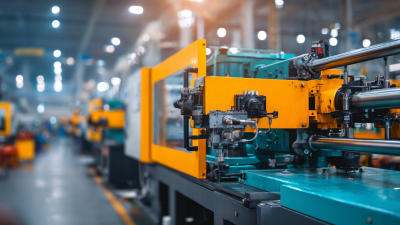
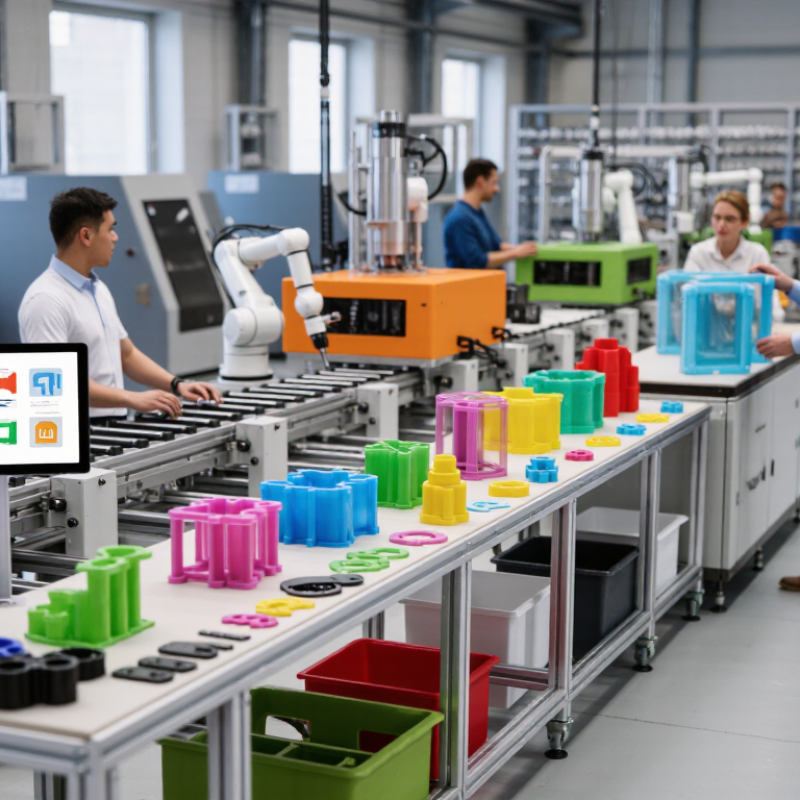
Plastic manufacturing turns polymer resin into usable parts through processes such as injection molding, extrusion, and thermoforming. The right method depends on a product’s shape, expected quantity, material properties, and finish. A small enclosure may be injection molded, while tubing is commonly made through extrusion. These choices affect tooling costs, production speed, and part consistency.

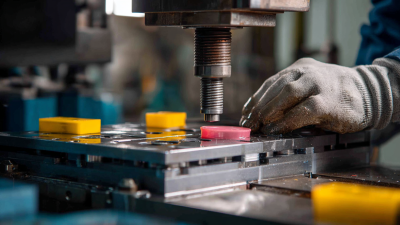
The work starts before a machine runs. Teams define dimensions, choose a resin, and test whether the design can be produced without weak walls or difficult-to-fill corners. Then, heat and pressure shape the material, and cooling helps the part hold its form. The details matter. A slight change in wall thickness can affect cycle time or strength. Quality checks may include measuring sample parts, inspecting surfaces, and testing performance against agreed specifications.

For a business, manufacturing can support repeatable supply, product development, and production at different volumes. It can also create trade-offs. A custom mold may require substantial upfront investment, so low-volume products need careful cost planning. Not every part fits. Material choice also matters: heat, sunlight, chemicals, and repeated stress can change how a plastic component performs. Reviewing real operating conditions early can prevent costly redesigns, though early estimates are not always exact.

Why Choose Plastic Manufacturing for Your Business?

Understanding material properties can help businesses select plastics suited to a product’s weight and application. The chart compares typical densities of common thermoplastics.

Density values are representative figures; exact values vary by grade, formulation, and additives. Lower density can reduce part weight, while the best material choice also depends on strength, durability, processing, and cost.

How Plastic Products Move from Design to Production

A plastic product moves from a user need to a manufacturable design through several practical decisions. The team defines dimensions, expected loads, surface finish, and production volume. A CAD model then gives engineers a shared reference. They review wall thickness, draft angles, material grade, and likely shrinkage before choosing a process such as injection molding or extrusion. Small details matter. A poorly placed gate can leave a visible mark or create uneven filling.

The first design is rarely perfect. Engineers may use flow simulation, printed prototypes, or sample tooling to find weak ribs, awkward assembly points, and tolerance problems. A pilot run tests the mold, machine settings, and inspection plan with real parts. This stage can expose issues that a screen cannot. The OECD’s Global Plastics Outlook reports that only 9% of plastic waste was recycled after losses in 2019, making material choice and part design worth considering early. Recycled content may affect color, consistency, and processing behavior.

Production planning also depends on scale. PlasticsEurope reported global plastics production of 400.3 million tonnes in 2022. That figure reflects a vast industry, but each project still needs its own checks: cycle time, scrap rate, dimensional measurements, and packaging requirements. A supplier and product team should review these details together before committing to full tooling. The handoff can still be messy; drawings and shop-floor conditions do not always match. A controlled trial helps reveal where adjustments are needed.

Why Choose Plastic Manufacturing for Your Business? - How Plastic Products Move from Design to Production
Stage What Happens Common Methods or Tools Typical Output Business Value
1. Define the product Specify the product’s function, dimensions, operating conditions, expected quantities, and applicable regulatory requirements. Product requirements, sketches, competitor and user research, preliminary cost targets A documented product brief and measurable acceptance criteria Clear requirements help reduce redesigns and align engineering, purchasing, and manufacturing decisions.
2. Design and prototype Create a three-dimensional part design and review features such as wall thickness, ribs, corners, openings, and assembly interfaces. CAD software, 3D printing, machined prototypes, or prototypes made with other suitable methods Design files and physical samples for fit, function, and usability checks Prototyping can reveal design issues before production tooling is made. A prototype process may not reproduce the properties or finish of the final production method.
3. Select the material Compare materials against strength, stiffness, impact resistance, heat exposure, chemical contact, appearance, and intended service life. Material data sheets, supplier samples, application testing, and regulatory review where required A selected resin grade and documented material requirements Material choice affects product performance, process settings, part appearance, and cost. For example, ABS is commonly used for rigid housings, while polypropylene is used in many containers and closures.
4. Choose the manufacturing process Match the product geometry, material, and planned production quantity to a suitable process. Injection molding for many detailed parts; extrusion for continuous profiles or tubing; blow molding for hollow containers; thermoforming for parts shaped from plastic sheet A proposed production process and preliminary manufacturing plan Choosing a process that fits the part can support repeatable production and avoid unnecessary manufacturing complexity.
5. Review for manufacturability Check whether the design can be made reliably using the selected process, including tool access, part release, material flow, and likely shrinkage or distortion. Design-for-manufacturing review, mold-flow analysis where appropriate, supplier engineering feedback A revised design prepared for tooling or production setup Early manufacturability reviews can help identify costly tool or production changes before they occur.
6. Develop tooling and process settings Make or prepare the required production tooling, then establish process settings and inspection requirements. Molds for injection or blow molding; dies for extrusion; forming tools for thermoforming Production-ready tooling, process parameters, and initial inspection criteria Tooling enables repeatable production. Its design and cost depend on factors such as part geometry, tool materials, expected output, and required features.
7. Run a trial and validate parts Produce trial parts and check dimensions, appearance, fit, function, and any application-specific requirements. First-article inspection, dimensional measurement, functional testing, and documented customer approval when required Validated samples and a record of any required design or process adjustments Validation helps confirm that the part and production method meet agreed requirements before routine manufacturing.
8. Begin production and quality control Manufacture parts using approved materials and process settings; monitor production and inspect parts against the agreed criteria. Production checks, sampling plans, traceability records, and corrective-action procedures Finished parts that are checked against defined specifications Documented controls help maintain consistency and make it easier to investigate defects or process changes.
9. Finish, package, and deliver Complete any required trimming, assembly, decoration, or packaging, then prepare products for shipment and storage. Secondary operations selected for the part, protective packaging, labeling, and delivery planning Packaged products ready for distribution or final assembly Planning finishing and packaging alongside production can help protect parts and coordinate delivery with downstream operations.

Process suitability, material performance, tooling needs, costs, and production quantities depend on the product design, application, and supplier capabilities. Confirm specifications and compliance requirements with qualified manufacturing and materials professionals.

Business Advantages of Choosing Plastic Manufacturing

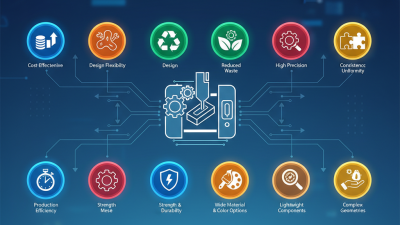
Plastic manufacturing can make products lighter, repeatable, and easier to shape. One molded component may replace several fasteners or machined pieces, reducing assembly steps. This is useful when a business needs consistent parts at volume. But tooling is costly, and small production runs may not justify it. Check unit costs before committing.

Scale matters. Plastics Europe’s Plastics—The Fast Facts 2023 reports global plastics production of 400.3 million tonnes in 2022. This scale supports a wide range of materials and processing options, though local supplier access varies. The OECD’s Global Plastics Outlook reports production grew from 234 million tonnes in 2000 to 460 million tonnes in 2019. That growth indicates an established manufacturing ecosystem, not guaranteed savings. Match the resin to heat, impact, and end-of-life needs, then test finished parts in real conditions. Small details matter. Gate marks, warping, or color shifts may appear only during production. A pilot run can reveal these flaws early, even if it delays launch.

Common Plastics and Manufacturing Methods

Why Choose Plastic Manufacturing for Your Business?

Common Plastics and Manufacturing Methods

Choosing a plastic starts with the part’s job, not its color or price. Polypropylene handles repeated flexing in clips and lids. Polyethylene suits bottles, bins, and parts needing impact resistance. ABS is often selected for rigid housings, while polycarbonate offers greater toughness and clarity. No resin is ideal for every application. Heat, sunlight, cleaning chemicals, and load can change performance.

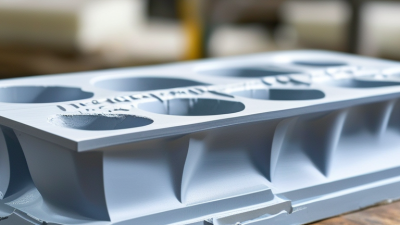
The manufacturing method shapes both cost and design. Injection molding makes detailed, repeatable parts, but tooling can be expensive; it fits best when production volume justifies that investment. Extrusion pushes softened plastic through a die to create continuous profiles, tubing, or sheet. Blow molding forms hollow items such as containers. Thermoforming heats sheet plastic and draws it over a mold, often for trays and covers. That matters.

A useful decision begins with dimensions, expected quantities, and the conditions the part will face. Ask for a material datasheet, then test a sample under realistic use. A clear prototype may reveal warping, brittle corners, or a poor fit. Not always. Early estimates can miss secondary costs, including finishing and scrap. I would revisit the design after testing; small ribs or thicker walls can help, but they may also increase material use or cycle time.

Key Factors for Selecting a Plastic Manufacturing Partner

Why Choose Plastic Manufacturing for Your Business?

Key Factors for Selecting a Plastic Manufacturing Partner

Start with the part, not the sales pitch. A capable manufacturing partner should ask about dimensions, expected volumes, material needs, and how the product will be used. Look for clear answers on mold design, production tolerances, and quality checks. Ask to review a sample and inspection records from a comparable production run. Even small defects, like a rough edge or a loose-fitting clip, can cause problems during assembly.

Tips: Request a written quote that separates tooling, setup, unit price, and packaging. Confirm who owns the mold and how it will be stored. Ask how material batches are tracked.

Compare partners on more than price. Check whether their equipment can meet your required volume, and ask how they handle rejected parts or production delays. A facility visit can help you see whether work areas are organized and inspection steps are practical. A low quote may hide extra costs or unclear assumptions. That is easy to overlook. A small pilot run can reveal fit or finish issues before you commit to larger quantities, though it may not predict every production challenge.